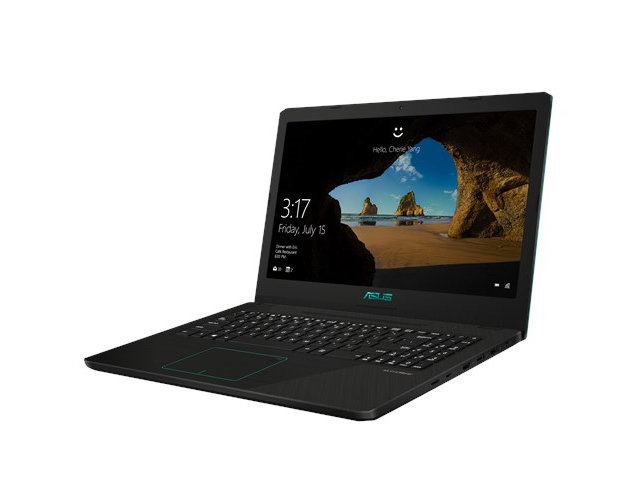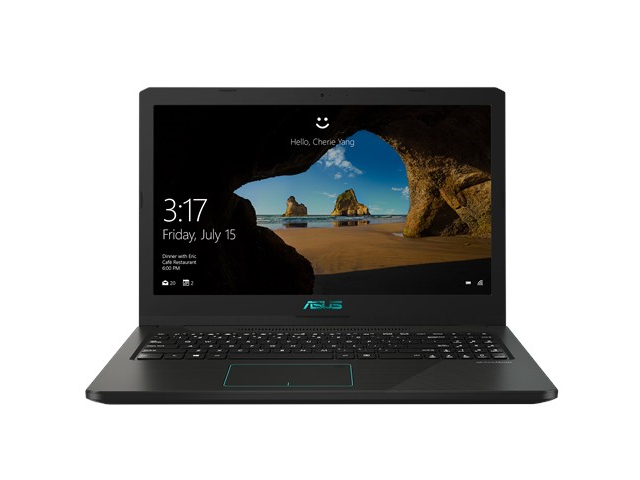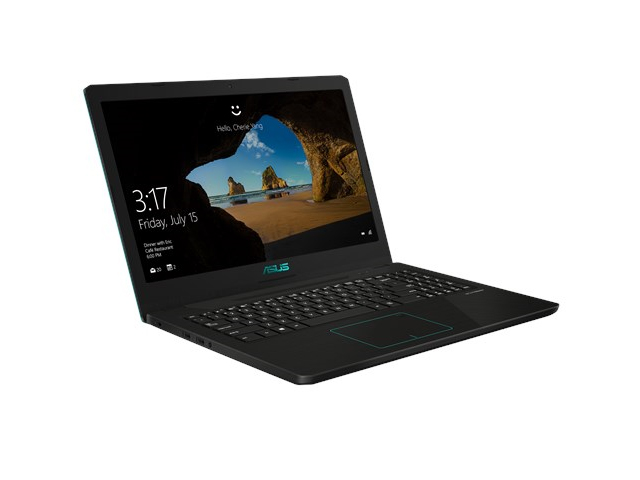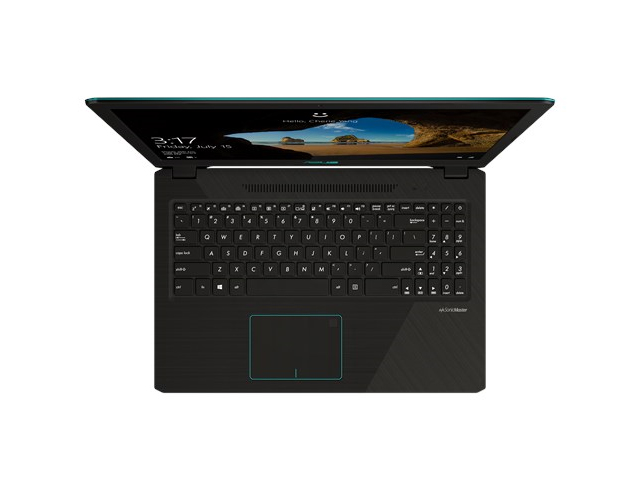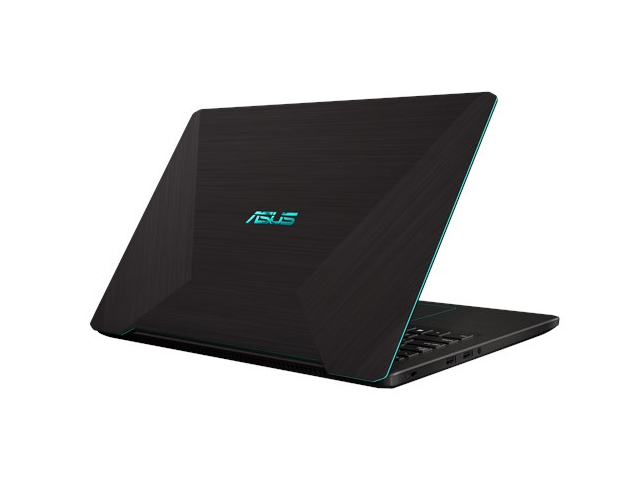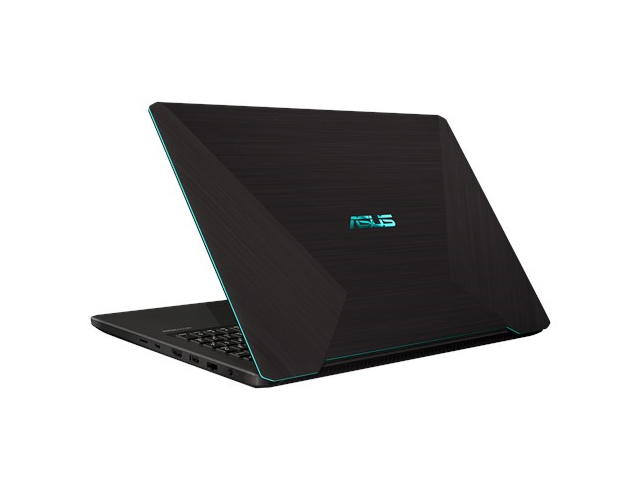




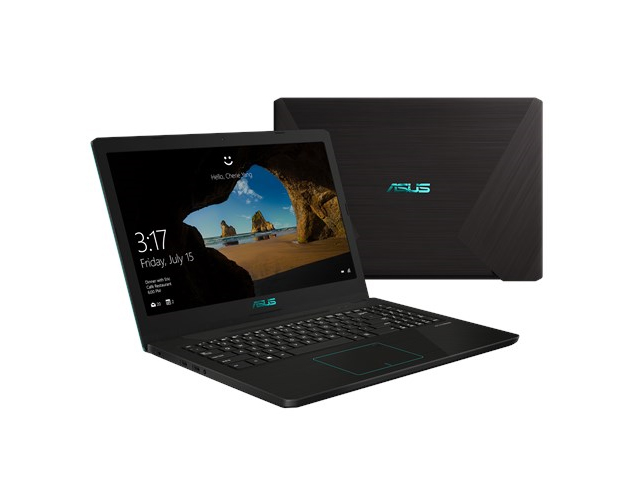
Asus VivoBook 15 X570ZD
Ausstattung / Datenblatt
Preisvergleich
Durchschnitt von 1 Bewertungen (aus 2 Tests)
Testberichte für das Asus VivoBook 15 X570ZD
Quelle: Laptop Media
 EN→DE Archive.org version
How about upgradability? Again – mixed results. It is great that you can put two RAM sticks and add up to 32GB of memory. Moreover, you have one M.2 NVMe PCIe x2 slot and a SATA drive slot. Now, it all seems fun and games, until you pop the device open. The only thing you can change right out the bat is the SATA drive. Everything else requires the removal of the motherboard from the chassis. You can do that yourself with only a single Phillips screwdriver and you can check our guide HERE. Nevertheless, it takes plenty of steps more, compared to the Ideapad L340 Gaming (15) or the VivoBook K571.
Einzeltest, online verfügbar, Sehr Lang, Datum: 20.02.2020
Quelle: Ultrabook Review
EN→DE Archive.org versionThis VivoBook is a hard sell. On one hand it's rather unique, as it combines a low-power CPU with mid-tier Nvidia dedicated graphics, and it performs well in most situations and doesn't throttle in games. On the other it's just average in terms of build, looks, screen quality and even typing experience, although I find this a good match for my style. Pricing is going to make it or break it though, as Asus also offers an Intel Core U based model with the exact same traits, quirks and kind of GPU, and this one needs to be more affordable in order to compete and overcome the flaws associated with the Ryzen platform. Read on for the whole story.
Einzeltest, online verfügbar, Sehr Lang, Datum: 22.08.2018
Bewertung: Gesamt: 80%
Kommentar
NVIDIA GeForce GTX 1050 Mobile: Mittelklasse-Grafikkarte basierend auf Nvidias Pascal-Architektur und Nachfolger der GeForce GTX 960M. Wird im 14-nm-Prozess bei Samsung gefertigt und die technischen Daten entsprechen weitestgehend der Desktop-Version.
Diese Klasse ist noch durchaus fähig neueste Spiele flüssig darzustellen, nur nicht mehr mit allen Details und in hohen Auflösungen. Besonders anspruchsvolle Spiele laufen nur in minimalen Detailstufen, wodurch die grafische Qualität oft deutlich leidet. Diese Klasse ist nur noch für Gelegenheitsspieler empfehlenswert. Der Stromverbrauch von modernen Grafikkarten in dieser Klasse ist dafür geringer und erlaubt auch bessere Akkulaufzeiten.
» Weitere Informationen gibt es in unserem Notebook-Grafikkartenvergleich und der Benchmarkliste.
R5 2500U: Mobile APU mit vier Zen basierten Kernen die von 2 - 3,6 GHz takten. Der TDP ist einstellbar zwischen 12 - 25 Watt, wobei 15 Watt Standard sind.» Weitere Infos gibt es in unserem Prozessorvergleich Vergleich mobiler Prozessoren und der Prozessoren Benchmarkliste .
 Als bevorzugte Quelle auf Google hinzufügen