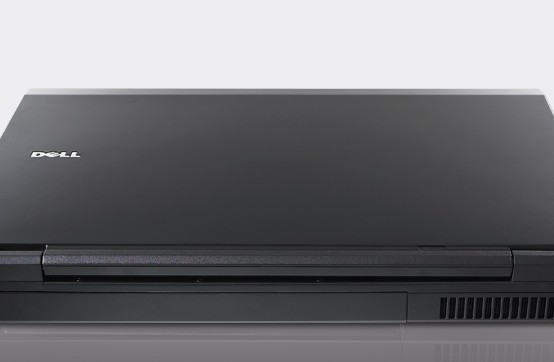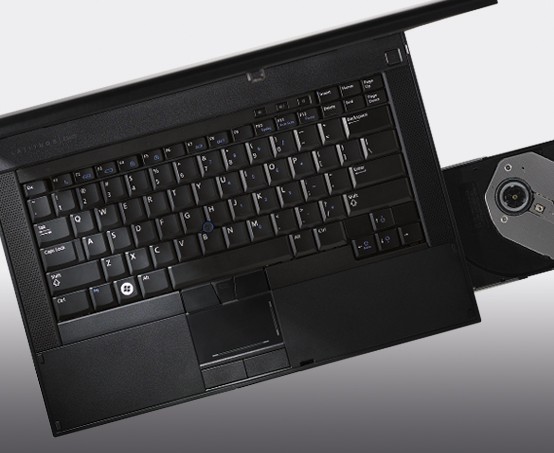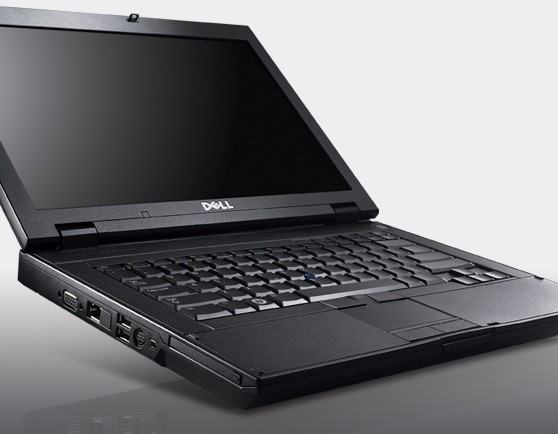




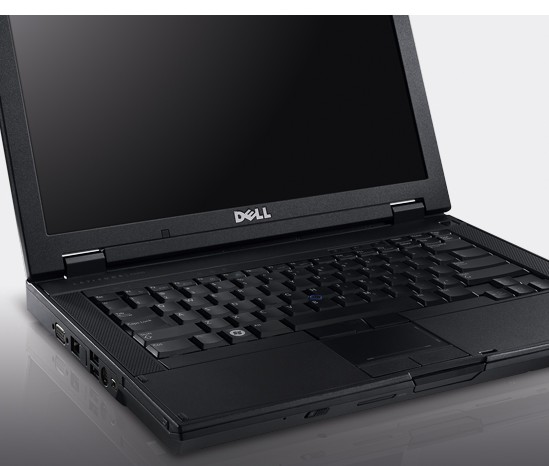
Dell Latitude E5400
Ausstattung / Datenblatt
Preisvergleich
Durchschnitt von 2 Bewertungen (aus 2 Tests)
Testberichte für das Dell Latitude E5400
Quelle: Tech Advisor
 EN→DE Archive.org version
With the new Dell Latitude E5400, Dell has carved out an impressive laptop for your business needs. It hits a sweet spot with regards to solid build quality, the right combination of features, performance, and price tag. First off, as is the case with most Dell notebooks, design matters. For a 14-inch laptop, the Dell Latitude E5400 weighs 2.56kg and is well worthy of your choice for a business laptop.
Einzeltest, online verfügbar, Mittel, Datum: 11.01.2010
Bewertung: Gesamt: 80%
Quelle: Pocket Lint
EN→DE Archive.org versionDell’s Latitude E-series may not offer the most exciting laptops on the market, but they’re reliable, strong and great for small, medium and large businesses. The Latitude E5400 sits towards the lower end of the range, with plastics used instead of metals, but you’ll still find a comprehensive specification and great A good choice for corporate users on a strict budget, the Latitude E5400 is unlikely to excite, but it’s still a highly usable and well-made machine. Further backed by decent performance, a great keyboard and a useful amount of ports, it comes highly recommended.
Einzeltest, online verfügbar, Mittel, Datum: 19.08.2009
Bewertung: Gesamt: 80%
Kommentar
Intel Graphics Media Accelerator (GMA) 4500MHD: Im GM45, GS45 und GE45 Chipsatz (Montevina Plattform) integrierte shared Memory Grafikkarte von Intel. Durch höhere Taktung und mehr Shader ist sie deutlich schneller als die X3100, jedoch immer noch nicht für Spieler empfehlenswert. Kann HD-Videos (AVC/VC2/MPEG2) dekodieren und so die CPU entlasten.
Diese Karten können nur sehr alte und sehr anspruchslose 3D Spiele flüssig darstellen. Anwendungen wie Office, Internet surfen, Bildbearbeitung oder (SD) Videoschnitt sind jedoch ohne große Einschränkungen möglich.
» Weitere Informationen gibt es in unserem Notebook-Grafikkartenvergleich und der Benchmarkliste.
Intel Core 2 Duo: Core Duo Nachfolger mit längerer Pipeline und 5-20% Geschwindigkeitszuwachs bei 0.5 - 3 Watt mehr Stromverbrauch.
Der Notebook Core 2 Duo ist baugleich mit den Desktop Core 2 Duo Prozessoren, jedoch werden die Notebook-Prozessoren mit niedrigeren Spannungen und geringerem Frontsidebus Takt betrieben. Von der Leistung bleiben gleichgetaktete Notebooks deswegen (und auch wegen der langsameren Festplatten) 20-25% hinter Desktop PCs.
T7250: Auf den Merom Kern basierender Doppelkernprozessor. Zur Zeit des Erscheinens in der Mittelklasse einzuordnen.» Weitere Infos gibt es in unserem Prozessorvergleich Vergleich mobiler Prozessoren und der Prozessoren Benchmarkliste .
 Als bevorzugte Quelle auf Google hinzufügen