




Nothing Phone 4a Pro
Pro
Contra
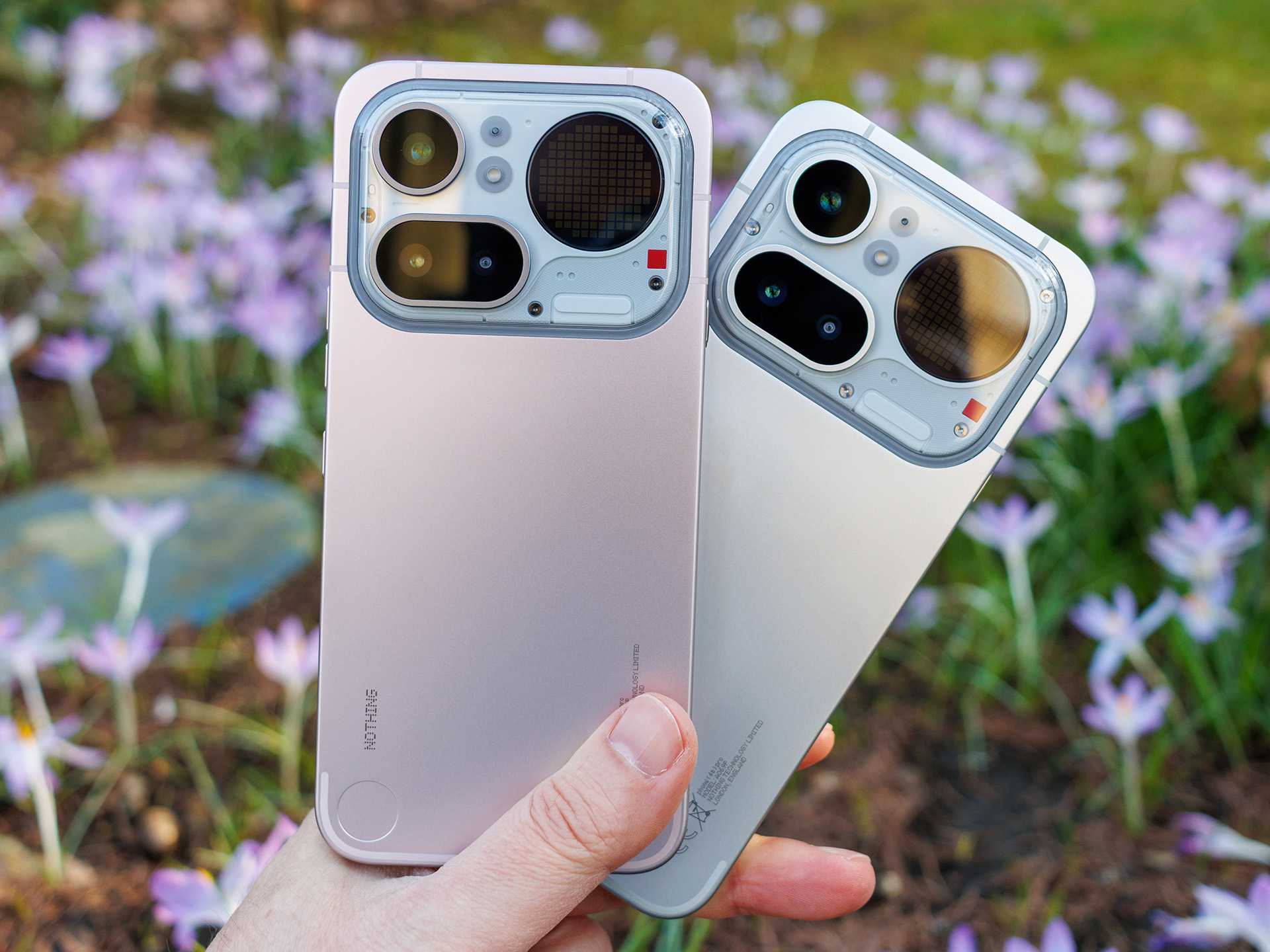
Das Nothing Phone (4a) Pro ist ein Mittelklasse-Handy Android 16, das auf Raffinesse setzt und einen Snapdragon 7 Gen 4 mit 12 GB RAM und einem großen 6,83-Zoll-AMOLED-Display mit 144 Hz kombiniert. Es betont das Design mit einem Aluminium-Unibody und dem Glyph-Matrix-Benachrichtigungssystem von Nothing, obwohl einige Rezensenten sagen, dass die spielerischen Elemente reduziert sind und die Glyph-Funktionen bei der Markteinführung begrenzt sind. Die dreifache rückwärtige Kamera zeichnet sich durch ein 50-MP-Teleobjektiv mit 3,5-fachem optischem Zoom aus, das durch eine 50-MP-Hauptkamera und eine 8-MP-Ultraweitwinkelkamera ergänzt wird. Die Akkukapazität beträgt 5080 mAh, wobei in den Rezensionen häufig die lange Ausdauer und die gleichbleibende Leistung unter Last sowie die verbesserte Wärmeentwicklung gelobt werden. Anschlussausstattung ist modern, einschließlich 5G, Wi-Fi 6E, Bluetooth 5.4, NFC, Dual-SIM und USB-C Power Delivery. Die wichtigsten Kompromisse, die in den Rezensionen erwähnt werden, sind das Fehlen des drahtlosen Ladens und die Frage, ob der höhere Preis gegenüber dem Standard Nothing Phone (4a) gerechtfertigt ist.
Ausstattung / Datenblatt
Secondary Camera: 32 MPix (S5KKD1, f/2.2, 1/3.44", 22 / 26 mm)
Preisvergleich
Preisvergleich
Durchschnitt von 74 Bewertungen (aus 118 Tests)
Testberichte für das Nothing Phone (4a) Pro
Das Nothing Phone (4a) Pro kombiniert auffälliges Design mit starker Mittelklasse-Hardware und moderner Ausstattung: Im Test überzeugt das Smartphone mit hellem OLED-Display, guter Akkulaufzeit, Snapdragon-Leistung und Periskopkamera, zeigt aber auch Schwächen.
Quelle: Netzwelt

In unserem Test hat das Nothing Phone (4b) mit Testnote 2,8 abgeschnitten. Für sich genommen ist es ein solides Smartphone für alle, die ein praktisches Handy mit pfiffigem Design suchen und nicht unbedingt Höchstleistung erwarten. Und es kostet nur 20 Euro mehr. Da wird es schwierig, Argumente für das Phone (4b) zu finden.
Vergleich, online verfügbar, Kurz, Datum: 26.07.2026
Quelle: Computerbild
Das Nothing Phone 4a Pro ist bei Tempo, Gehäusedesign und Display die technisch verbesserte Version des 4a und bietet eine nochmals gesteigerte Akkulaufzeit. Die optischen Anleihen beim iPhone 17 Pro Max können nicht verbergen, dass es sich im Kern um ein Mittelklasse-Android-Handy handelt. Für den Preis ist die Technik sehr in Ordnung, sticht bei Ausdauer und Tele-Kamera aus dem Üblichen heraus. Entscheidend für Interessierte dürfte aber etwas anderes sein: Es gibt abseits der Pixel-a-Serie (aktuell etwa das Pixel 10a) kaum ein Mittelklasse-Android mit so eleganter Software. Hinzu kommen gefällige Spielereien mit LED-Signalen. Ein gehöriger Nachteil ist die begrenzte Wasserdichtigkeit und die Begrenzung auf drei große Updates.
Einzeltest, online verfügbar, Kurz, Datum: 29.05.2026
Bewertung: Gesamt: 94%
Quelle: Netzwelt
Das Phone (4a) ist ein solides, schon fast klassisches Mittelklasse-Smartphone für alle, die Nothings transparente Ästhetik lieben und nicht das letzte Quäntchen Performance brauchen. In unserem ausführlichen Testbericht schneidet es mit Testnote 2,6 (befriedigend) ab. Das Phone (4a) Pro hingegen hat in unserem Testbericht mit Testnote 2,3 (gut) schon eher überzeugt und richtet sich an diejenigen, die ein Premium-Gefühl in der Mittelklasse suchen: schlankes Metallgehäuse, schnellerer, Chip, flüssigeres Display und bessere Zoom-Fähigkeiten - allerdings für einen Aufpreis, den man bewusst abwägen sollte.
Vergleich, online verfügbar, Kurz, Datum: 25.05.2026
Quelle: Computerbild
Das Nothing Phone 4a Pro ist nicht ganz so günstig wie das normale 4a, bietet aber eine Kamera mit besserer Bildqualität (inklusive Tele) und Video-Stabilisierung. Die Oberfläche macht Spaß, außerdem gibt es viele KI-Tools zum Ausprobieren. Die Akkulaufzeit ist beeindruckend stark.
Einzeltest, online verfügbar, Mittel, Datum: 24.04.2026
Bewertung: Gesamt: 94%
Quelle: Heise
Das Nothing Phone 4a Pro kommt mit stark überarbeitetem Design und greift auf Elemente des teureren Nothing Phone 3 zurück – stylish, edel und mit der neuen runden Glyph-Leuchte erfrischend anders, auch wenn deren Alltagsnutzen überschaubar bleibt. Am Tag überzeugt das Kamerasystem: Hauptkamera und Periskop-Telelinse liefern gute Aufnahmen mit nahezu verlustfreien Motiven auch bei siebenfachem Zoom. Bei Dunkelheit schwächelt die Kamera aber weiterhin, insbesondere die Telelinse. Das OLED-Display ist wirklich toll, bei starkem Sonnenschein aber nicht so hell wie erhofft. Komplett wasserdicht ist das Gerät nicht, ein Missgeschick mit Wasser dürfte es aber überstehen. Sechs Jahre Sicherheitspatches sind lobenswert – nur drei geplante Android-Upgrades wirken dagegen mager. Letztlich ist das Nothing Phone 4a Pro eine gute Wahl für alle, die ein Smartphone wollen, das auffällt und am Tag starke Zoomaufnahmen liefert. Wegen des noch recht hohen Preises dürfte in vielen Fällen aber das Nothing Phone 4a die bessere Wahl sein.
Einzeltest, online verfügbar, Kurz, Datum: 16.04.2026
Bewertung: Gesamt: 80%
Quelle: A1 Blog
Eines muss man Nothing lassen: Von Designsprache verstehen sie etwas. Auch wenn ich das Glyph-Display mehr für ein Gimmick als wirklich nützlich halte. Das Nothing Phone (4a) Pro hebt sich dadurch positiv vom Einheitsbrei des Mitbewerbs ab. Die verspielte Rückseite ist etwas, das andere definitiv nicht haben. Zwar muss man bei der Ladegeschwindigkeit und dem fehlenden kabellosen Laden kleine Abstriche machen. Doch das Gesamtpaket aus flüssigem Nothing OS 4.1, einer starken Periskop-Kamera und der markanten Ästhetik überzeugt auf ganzer Linie. Wer ein Smartphone sucht, das sich mutig vom Einheitsbrei abhebt und technisch dennoch kaum Kompromisse im Alltag erzwingt, kommt am Phone (4a) Pro dieses Jahr kaum vorbei.
Einzeltest, online verfügbar, Mittel, Datum: 15.04.2026
Quelle: Smartzone
Das Nothing Phone 4a Pro ist weitaus mehr als nur ein optisches Update, es ist eine durchdachte und signifikante Aufwertung des hauseigenen Portfolios. Aber ihr müsst auch wirklich genau dafür den Aufpreis zahlen wollen! Für einen Startpreis von 479€ liefert der Hersteller ein Smartphone ab, das sich dank des hochwertigen, vollständigen Aluminiumgehäuses wie ein echtes Premium-Gerät anfühlt. Das OLED-Display ist brillant, die Performance des Snapdragon 7 Gen 4 für den Alltag und Gaming mehr als ausreichend und die Akkulaufzeit super. Das Kamerasetup profitiert ungemein von der 50-Megapixel-Periskop-Kamera. Die Hauptkamera ist ordentlich, aber nicht überdurchschnittlich gut. Abgerundet wird das Paket durch das erfrischend andere System Nothing OS. Ankreiden müsst ihr dem Gerät in dieser Preisklasse klar die schwache Ultraweitwinkelkamera und den auf drei Jahre beschränkten Android-Update-Zeitraum. Und damit komme ich zum größten Kritikpunkt: Für das Nothing Phone 4a Pro zahlt ihr über 100€ Aufpreis im Vergleich zum größtenteils gleichwertigen Phone 4a (zum Test), und das macht sich nur im tollen Metallgehäuse bemerkbar. Auch die alte Akkutechnik und damit kleine 5000mAh Akku muss hier erwähnt werden.
Einzeltest, online verfügbar, Lang, Datum: 10.04.2026
Bewertung: Gesamt: 81% Leistung: 75% Bildschirm: 90% Mobilität: 80% Gehäuse: 80%
Quelle: PC Welt
Das Nothing Phone (4a) Pro führt das Line-up des Herstellers für 2026 an, da ein echtes Flaggschiff in diesem Jahr ausbleibt. Durch die konsequente Weiterentwicklung des typischen Designs hebt sich das Gerät optisch deutlich von der Konkurrenz ab. Im Vergleich zu den Vorgängern bietet es ein größeres, besseres Display und einen leistungsstärkeren Prozessor. Ein echtes Highlight ist die neue Telekamera. Trotzdem ist das Standardmodell auch im zweiten Jahr in Folge der bessere Deal. Das Nothing Phone (4a) bietet ein eigenständiges Design inklusive blauer Farbvariante, ein fast identisches Triple-Kamera-System und die gleiche Software-Oberfläche. Die “Glyph Matrix” des Pro-Modells ist zwar ein nettes Extra, bleibt unter dem Strich aber eine Spielerei, die im Alltag keinen echten Mehrwert bietet. Das Nothing Phone (4a) Pro ist eine mutig gestaltete und gut abgestimmte Alternative zum Mittelklasse-Einerlei. Allerdings bekommen Sie für diesen Preis bei der Konkurrenz oft längeren Software-Support, mehr Leistung und Features wie kabelloses Laden oder eine bessere IP-Zertifizierung. Wer deutlich weniger Geld ausgeben will, bekommt mit dem Nothing Phone (4a) ein weitgehend identisches Erlebnis.
Einzeltest, online verfügbar, Lang, Datum: 07.04.2026
Bewertung: Gesamt: 80%
Quelle: Netzwelt
Mit dem Phone (4a) Pro liefert Nothing genau das, wofür der Hersteller mit Sitz in London bekannt ist: Ein gut ausgestattetes Smartphone mit eigenständigem Design zu einem interessanten Preis. Das Metallgehäuse wirkt ruhiger und etwas edler als die transparente Rückseite anderer Nothing-Smartphones, trotzdem ist das Phone (4a) Pro sofort als Nothing-Handy zu erkennen. Mit ausreichend Leistung für den Alltag, einem guten und hellen Display und einer für diese Preisklasse überdurchschnittlich gut ausgestatteten Kamera hat es einiges zu bieten. Wenn du auf der Suche nach einem individuellen und bezahlbaren Smartphone bist, könnte das Nothing Phone (4a) Pro das richtige sein.
Einzeltest, online verfügbar, Kurz, Datum: 05.04.2026
Bewertung: Gesamt: 87% Leistung: 71% Bildschirm: 94% Mobilität: 71%
Quelle: PCtipp.ch
Das Nothing phone (4a) Pro überzeugt als konsequente Weiterentwicklung mit einem edlen Aluminium-Body und einem herausragenden Kamerasystem. Die hohe Displayhelligkeit und die stabilen Leistungswerte machen es zu einem preiswerten Begleiter, der leistungsseitig leicht über der Mittelklasse liegt.
Einzeltest, online verfügbar, Sehr kurz, Datum: 01.04.2026
Bewertung: Gesamt: 90%
Quelle: Allround-PC.com
Trotz guter Ansätze reicht es für das Nothing Phone (4a) Pro nicht für den Spitzenplatz in seinem Segment. Die Akkulaufzeit ist zwar solide, könnte aber besser sein, ebenso verhält es sich mit der CPU-Performance. Enttäuschend ist hingegen die Ultraweitwinkelkamera. Doch vor allem beim Design geht Nothing spürbar einen eigenen Weg. Die Verarbeitung hinterlässt einen hochwertigen Eindruck, die Rückseite hebt sich von vielen anderen Smartphones ab und auch farblich ist das Pro-Modell, besonders in Silber, für mich eines der interessantesten Geräte seiner Klasse. Dazu kommen ein gutes OLED-Display, eine saubere Software und eine Hauptkamera, auf die man sich im Alltag gut verlassen kann. Auch die Periskop-Telekamera ist in dieser Preisklasse ein echtes Plus. Das reguläre Nothing Phone (4a) dürfte für viele Nutzer am Ende trotzdem die bessere Wahl sein, weil es nicht nur günstiger ist, sondern auch technisch in vielen Bereichen sehr nah am Pro-Modell bleibt.
Einzeltest, online verfügbar, Kurz, Datum: 31.03.2026
Quelle: Chip.de
Im Test überzeugt das Nothing Phone (4a) Pro als ausgewogenes Mittelklasse-Smartphone. Die Rückseite aus Metall wirkt etwas seriöser und weniger verspielt als von Nothing gewohnt. Durchaus praktisch finden wir Gimmicks wie das Zusatzdisplay, die „Glyph-Matrix“, auf der Rückseite sowie die Essential-Taste für schnelle Erinnerungsnotizen auf Knopfdruck. Für eine ordentliche Leistung sorgt der Snapdragon 7 Gen 4, während die Akkulaufzeit mit unter 16 Stunden im Dauertest eher unspektakulär ausfällt. Immerhin: Nach rund einer Stunde ist der Akku wieder vollständig gefüllt. Kabelloses Laden wird allerdings nicht unterstützt. Das rund 6,8 Zoll große OLED-Display liefert eine hohe Schärfe, kräftige Farben, eine geschmeidige Darstellung sowie eine hohe Helligkeit. Auch die Triple-Kamera überzeugt. Die Fotos der Hauptkamera zeigen natürliche Farben und ordentliche Details, während auch der optische 3,5-fach-Zoom gute Ergebnisse liefert. Zur weiteren Ausstattung gehören Wi-Fi 6, 5G-Mobilfunk, eSIM und NFC. Mit seinem eigenständig aussehenden NothingOS und Update-Zusagen bis 2032 bleibt das Nothing Phone (4a) Pro insgesamt eine gute Wahl in der Mittelklasse. Zum Testzeitpunkt kostet es rund 500 Euro.
Einzeltest, online verfügbar, Mittel, Datum: 26.03.2026
Bewertung: Gesamt: 92% Preis: 73% Leistung: 88% Bildschirm: 95% Mobilität: 93%
Quelle: Stadt-bremerhaven
Nothing hat seine A-Reihe solide weiterentwickelt. Diese fällt sehr hochwertig aus und mutet in vielen Punkten (Display, etc.) an, wie ein Flaggschiff-Gerät. Damit hat man abermals ein durchaus attraktives Gesamtpaket geschnürt. Die (durchaus solide) Periskop-Kamera wandert vom Pro-Modell ins normale (4a) und das zu einem Kostenpunkt ab 349 Euro und bei einem signifikant kleineren Kamera-Buckel. Da bekommt man wirklich sehr viel fürs Geld und die Aufpreise für mehr Speicher sind fair bemessen.
Vergleich, online verfügbar, Mittel, Datum: 21.03.2026
Quelle: Chip.de
Im Test überzeugt das Nothing Phone (4a) Pro als ausgewogenes Mittelklasse-Smartphone. Die Rückseite aus Metall wirkt etwas seriöser und weniger verspielt als von Nothing gewohnt. Durchaus praktisch finden wir Gimmicks wie das Zusatzdisplay, die „Glyph-Matrix“, auf der Rückseite sowie die Essential-Taste für schnelle Erinnerungsnotizen auf Knopfdruck. Für eine ordentliche Leistung sorgt der Snapdragon 7 Gen 4, während die Akkulaufzeit mit unter 16 Stunden im Dauertest eher unspektakulär ausfällt. Immerhin: Nach rund einer Stunde ist der Akku wieder vollständig gefüllt.
Einzeltest, online verfügbar, Kurz, Datum: 19.03.2026
Bewertung: Gesamt: 82% Preis: 75% Leistung: 88% Bildschirm: 95% Mobilität: 93%
Quelle: Futurezone.at
Das Nothing Phone (4a) Pro bietet ein extrem gutes Preis-Leistungs-Verhältnis. Für ein Smartphone um 479 Euro hat das Nothing-Handy eine der besten Kameras, ein Display der Spitzenklasse sowie ein unverkennbares und einzigartiges Design mit einem besonders raffinierten User-Interface. Im Vergleich mit Smartphones in diesem Preisbereich zählt das Nothing Phone (4a) Pro mit Sicherheit zu den Besten der Besten. Dass es nicht ganz mit den deutlich teureren Spitzenmodellen mithalten kann, zeigt sich nur manchen Kleinigkeiten und an verschmerzbaren Abstrichen. Dazu zählt unter anderem, dass das kabellose Akkuladen nicht unterstützt wird. Darüber hinwegsehen kann ich beispielsweise auch bei der Kameraqualität. Im Vergleich mit 1.000-Euro-Geräten hat man hier streckenweise das Nachsehen, dafür kostet das Nothing-Handy aber auch nur die Hälfte.
Einzeltest, online verfügbar, Kurz, Datum: 19.03.2026
Quelle: Gamestar
Handyhersteller vor Jahren aufgegeben haben – und ich liebe es Das Nothing Phone 4a Pro ist ein starkes Update der a-Serie und hebt sich in diesem Jahr erstmals deutlich vom günstigeren Phone 4a ab. Das ist aus meiner Sicht vor allem wichtig, um den Aufpreis zu rechtfertigen. Das schlanke Aluminium-Unibody-Gehäuse, die stärkere Leistung, das bessere 144-Hertz-Display und die verbesserte Kamera sind gelungene Upgrades – auch die Akkulaufzeit ist spitze.Die Schwächen halten sich in Grenzen: Wireless Charging fehlt weiterhin und der Update-Support könnte etwas länger ausfallen. Wer aber ein hervorragend verarbeitetes Mittelklasse-Smartphone mit guter Kamera, Glyph Matrix, ausreichend Leistung und eSIM-Unterstützung sucht, bekommt mit dem Phone 4a Pro genau das. Ansonsten lohnt sich aus meiner Sicht aber auch der Blick zum günstigeren Phone 4a.
Einzeltest, online verfügbar, Mittel, Datum: 19.03.2026
Bewertung: Gesamt: 90%
Quelle: PC Games Hardware
Am Ende zeigt sich: Beide Nothing Phones verfolgen trotz ähnlicher Basis zwei unterschiedliche Ansätze. Während das Phone (4a) vor allem durch sein auffälliges Design und solide Alltagsleistung ein rundes Gesamtpaket mit tollem Preis-Leistungs-Verhältnis bietet, richtet sich das (4a) Pro stärker an alle, die etwas mehr Leistung und Komfort sowie zusätzliche Features möchten.
Vergleich, online verfügbar, Sehr Lang, Datum: 19.03.2026
Bewertung: Gesamt: 80%
Quelle: Teltarif
Das Nothing Phone (4a) Pro ist eine gelungene Weiterentwicklung des Vorgängermodells. Mit der matten Rückseite geht der Hersteller noch einen Schritt weiter in Richtung Premium und will sich mit den Designs der Konkurrenz messen. Auch die Glyphe auf der Rückseite hat sich gänzlich verändert. Hier setzt Nothing nun auf ein "Zweitdisplay", so wie es auch im letztjährigen Flaggschiff Phone (3) der Fall war. Das Phone (4a) Pro zeichnet sich durch eine exzellente Verarbeitung, eine saubere Software ohne Bloatware und ein tolles AMOLED mit 144 Hz aus. In der Mittelklasse (noch) eine Seltenheit ist der eSIM-Support. Die Hauptkamera macht grundsätzlich tolle Bilder bei guten Lichtverhältnissen. Bis zu 140x Zoom sind mit dem Setup drin. Das ist ganz praktisch, entfernte Objekte zu vergrößern. Weniger geeignet sind die Aufnahmen für klare und scharfe Darstellungen.
Einzeltest, online verfügbar, Kurz, Datum: 19.03.2026
Ausländische Testberichte
Quelle: PC Mag
 EN→DE
EN→DENothing has figured out a formula that keeps die-hard Android enthusiasts around the world lured in while also showcasing what's possible with a midrange processor that's tuned to play with the big leagues without costing as much. The Phone 4(a) Pro has a look and feel that few phones match, with performance that's mostly as good as its similarly priced peers.
Einzeltest, online verfügbar, Mittel, Datum: 27.06.2026
Bewertung: Gesamt: 80%
Quelle: Android Guys
EN→DEFounder Carl Pei is pulling from the exact same playbook that helped him launch OnePlus, and positioning Nothing to be the next “flagship killer” smartphone lineup. If you’re tired of the “play-it-safe” designs from the big players, the Nothing Phone (4a) Pro is a breath of fresh air. At $499, it’s a perfect Pixel a-series proxy for someone who wants a bigger screen and a phone that’s actually fun to use. Founder Carl Pei is pulling from the exact same playbook that helped him launch OnePlus, and positioning Nothing to be the next “flagship killer” smartphone lineup.
Einzeltest, online verfügbar, Kurz, Datum: 04.06.2026
Bewertung: Gesamt: 84% Preis: 90% Leistung: 80% Mobilität: 80% Gehäuse: 80%
Quelle: The Guardian
EN→DEThe Phone 4a Pro is another slick, striking Android from Nothing, which continues to buck the trend of dull slabs of metal and glass. The aluminium body feels expensive, while the screen on the front is huge and vibrant. But it is the eye-catching camera cluster and dot-matrix display on the back that is its standout feature. Along with a great version of Android with lots of visual interest, it’s a fun phone to use day to day. Some of Nothing’s AI tools are useful. It has decent mid-range performance and two-day battery life, plus good main and telephoto cameras to round out the package. But the Phone 4a Pro is quite expensive for a mid-range phone, even with RAMageddon making everything more expensive. The cheaper Phone 4a offers many of the good features of the Pro model for less, which makes it better value. For now you can certainly get better cameras or stronger performance for the money, even if the alternatives aren’t quite as interesting as the Nothing.
Einzeltest, online verfügbar, Kurz, Datum: 18.05.2026
Bewertung: Gesamt: 80%
Quelle: The Mobile Indian
EN→DEThe Nothing Phone 4a Pro is the first Nothing smartphone that genuinely feels complete. It combines strong industrial design, refined software, capable cameras and balanced everyday performance into a package that feels more mature than previous Nothing devices. The cameras, especially the primary and telephoto sensors, are finally competitive beyond just social media use.At the same time, the phone is not flawless. Gaming-focused rivals offer stronger chipsets, durability ratings are average, and battery technology feels slightly behind the curve.But the Phone 4a Pro succeeds because it delivers a cohesive experience. In a segment crowded with specification-heavy smartphones that increasingly look and feel identical, Nothing has managed to create a phone with identity while still improving the fundamentals.
Einzeltest, online verfügbar, Kurz, Datum: 13.05.2026
Bewertung: Gesamt: 84% Leistung: 80% Mobilität: 80% Gehäuse: 90%
Quelle: The Times of India
EN→DEAt Rs 39,999, the Nothing Phone (4a) Pro occupies a clear space in the mid-range market. While it may not be the most powerful option at this price, it offers an overall experience that is hard to achieve and quantify but easy to appreciate. The phone feels premium, looks distinctive, runs clean and clutter-free software, and delivers reliable performance across the scenarios that most people actually care about in their daily lives. A premium-feeling design, clean software, and dependable performance make this Nothing’s most compelling mid-range release but it is not without certain trade-offs. The phone stands out due to its design and a polished software experience, making it easier to recommend to those want a reliable performance.
Einzeltest, online verfügbar, Kurz, Datum: 10.05.2026
Bewertung: Gesamt: 80%
Quelle: 9to5google
Einzeltest, online verfügbar, Lang, Datum: 01.05.2026
Quelle: 91mobiles
EN→DEWhile there are other factors to consider before buying a smartphone, software remains a key one, as it is the layer that ties everything together. Neither smartphone offers the longest software support in the sub-Rs 40,000 segment, but both stay close to stock Android. That said, despite sharing a similar philosophy, the way these two smartphones approach software is markedly different. The Motorola Edge 70 Pro brings useful additions such as gesture controls, deeper customisation options, and an extensive AI toolkit, all while staying fairly close to Google’s vision of Android. However, that added functionality comes with some baggage: preloaded apps, occasional recommendations, and elements like Glance, which dilute the clean Android appeal – even if they can be disabled.
Vergleich, online verfügbar, Kurz, Datum: 01.05.2026
Quelle: Tech Guru Daily
EN→DEThe Nothing Phone 4a Pro is an impressive Android smartphone with an attitude and design all of its own. It has the look and feel of a flagship device and the features to match. This Nothing is really something.
Einzeltest, online verfügbar, Kurz, Datum: 20.04.2026
Bewertung: Gesamt: 85%
Quelle: Android Central
EN→DEThe Nothing 4a Pro is the best phone for $499 today, thanks to its class-leading build quality, design, and display. The battery life is stellar and charges quickly, plus everyday performance will impress you thanks to excellent heat mitigation and better sustained performance than the competing Pixel 10a. The cameras could use improvement, especially compared to the Pixel, and since it uses a metal unibody, it lacks wireless charging support. Unique features like the Glyph Matrix are supercharged thanks to community submissions, and the company's software, including Essential Space and Nothing Playground, along with a history of superb updates and support, make this the best choice for the price.
Einzeltest, online verfügbar, Mittel, Datum: 13.04.2026
Bewertung: Gesamt: 90%
Quelle: Android Central
EN→DEThe Nothing 4a Pro is the best phone for $499 today, thanks to its class-leading build quality, design, and display. The battery life is stellar and charges quickly, plus everyday performance will impress you thanks to excellent heat mitigation and better sustained performance than the competing Pixel 10a. The cameras could use improvement, especially compared to the Pixel, and since it uses a metal unibody, it lacks wireless charging support. Unique features like the Glyph Matrix are supercharged thanks to community submissions, and the company's software, including Essential Space and Nothing Playground, along with a history of superb updates and support, make this the best choice for the price.
Einzeltest, online verfügbar, Mittel, Datum: 13.04.2026
Bewertung: Gesamt: 90%
Quelle: Android Police
EN→DEThe Nothing Phone (4a) Pro is a great buy. It has its own character, just like Nothing phones before it, and this increases its appeal for those not willing to accept the minimal upgrades Samsung and Google have made to competing devices this year. From the fun, customizable software to the versatile camera, it’s a phone made for people who spend time on social media and enjoy creativity, something which even extends to AI features like the vibe-coding inside the Playground app. For the first time, it’s a Nothing phone that can be strongly recommended to US buyers, too, due to easy availability through Amazon. While the battery life lets the side down a little, and the screen never gets as bright or vibrant as I’d like when viewed in sunlight, the rest of the phone makes up for it.
Einzeltest, online verfügbar, Lang, Datum: 11.04.2026
Bewertung: Gesamt: 75%
Quelle: Android Police
EN→DEThe Nothing Phone (4a) Pro is a great buy. It has its own character, just like Nothing phones before it, and this increases its appeal for those not willing to accept the minimal upgrades Samsung and Google have made to competing devices this year. From the fun, customizable software to the versatile camera, it’s a phone made for people who spend time on social media and enjoy creativity, something which even extends to AI features like the vibe-coding inside the Playground app. For the first time, it’s a Nothing phone that can be strongly recommended to US buyers, too, due to easy availability through Amazon. While the battery life lets the side down a little, and the screen never gets as bright or vibrant as I’d like when viewed in sunlight, the rest of the phone makes up for it.
Einzeltest, online verfügbar, Lang, Datum: 11.04.2026
Bewertung: Gesamt: 75%
Quelle: Tom's Guide
EN→DEThere's a lot to love about the Nothing Phone 4a Pro, especially when you consider the $499 price tag. The cameras are very strong, capable of matching (and sometimes beating) a phone that costs a few hundred dollars more. The battery is also more than capable, and wrapped up in a phone that offers something distinct from other Android phones on the market. There are some things that I would change, though. Weak performance is not ideal, even if those compromises are expected on a phone this cheap, and Nothing could benefit from being a little more accepting of wireless charging on its cheaper devices. A little more freedom on the Essential Key definitely couldn't hurt either. None of that really compares to minimizing the trademark design Nothing Phones have been know for since their initial debut. Unique smartphone features are hard to come by, and I hope Nothing pivots back to the design that helped its phones stand out. As good as the Nothing Phone 4a Pro is, I don't want it to be the turning point that sees Nothing devices move towards more generic (and far less interesting) designs.
Einzeltest, online verfügbar, Kurz, Datum: 11.04.2026
Bewertung: Gesamt: 80%
Quelle: JerryRigEverything
The Nothing 4a Pro has a problem nobody can see. Today we are going to take apart the Nothing Phone 4A Pro to see how it works from the inside. The Nothing Phone 4A Pro is IP 65 water resistant... but not if you stab the microphone hole with your sim card removal tool. Be careful out there!!
Einzeltest, online verfügbar, Lang, Datum: 10.04.2026
Quelle: CNN underscored
EN→DEThe Nothing Phone (4a) Pro isn’t just a flashy Pixel or Galaxy alternative — it’s legitimately one of the best smartphones you can buy for less than $500. It’s got one of the biggest displays you can get for the money, zippy performance, incredible battery life, unparalleled camera zoom and a custom OS you’ll actually want to use. And while some may find the head-turning Glyph Interface to be a gimmick, it offers a handful of practical uses while also further setting the (4a) Pro apart in a world of phones that are becoming increasingly same-y every single year. That said, there are a few drawbacks to breaking from the norm. The (4a) Pro’s cameras struggle a bit with low light and portrait photography, and you won’t get the same level of long-term support you would from a comparable Pixel, Galaxy or iPhone. However, if you’re in the market for something that’ll truly stand out while also simply being a great phone, the Nothing Phone (4a) Pro is one of the most unique and value-packed options out there.
Einzeltest, online verfügbar, Kurz, Datum: 09.04.2026
Quelle: L&B TechReview
EN→DEThe Nothing Phone (4a) Pro is an impressive mid-range smartphone that takes the best features from the flagship Phone (3) and packs them into a sleek metal design for under €600. The display is in a class of its own, the periscope telephoto camera delivers images far better than one might expect in this price range, and Glyph Matrix has finally become a feature with real everyday value. However, there are a few compromises that drag the overall rating down slightly. Performance is merely on a par with the competition, the ultra-wide-angle camera is disappointing, wireless charging is missing, and three years of Android updates is too little when Google and Oppo promise a significantly longer lifespan. If you want the best camera for the price, the Phone (4a) Pro is an obvious choice. If you want the most future-proof mobile, you might want to look elsewhere.
Einzeltest, online verfügbar, Mittel, Datum: 04.04.2026
Bewertung: Gesamt: 83%
Quelle: Android Authority
EN→DEThe Phone 4a Pro is powered by the Snapdragon 7 Gen 4, which won’t make it great for demanding games, but for everything else, I’ve had no issues. Then there’s the battery — it’s really good. It’s just over 5,000 mAh, and I don’t remember a day when it’s struggled. In fact, I’ve definitely gone a second day without charging it when I’m using this phone lightly. It has 50W wired charging, too, which is quicker than almost all other $500 phones. Carrier support limitations aside, many of the complaints I’ve leveled against the Nothing Phone 4a Pro can be waved away, given its price tag. However, there are a few areas where Nothing’s mid-ranger lags behind the top competition.
Einzeltest, online verfügbar, Kurz, Datum: 04.04.2026
Bewertung: Gesamt: 80%
Quelle: Business Standard
EN→DEThe Nothing Phone 4a Pro feels like a step forward, but also a slight shift in identity. It is more premium, more refined, and more balanced than previous “a” series phones. The design feels sturdier, the performance is more consistent, the cameras are slightly better, and the overall experience is more complete. At the same time, it feels a little less bold. The transparency is toned down, the quirks are more controlled, and the phone feels closer to mainstream flagships than earlier Nothing devices did. If you want a phone that still looks different but behaves more predictably, the Phone 4a Pro makes a strong case. It is easily one of the most well-rounded devices Nothing has made in this segment.
Einzeltest, online verfügbar, Sehr kurz, Datum: 03.04.2026
Quelle: GSM Arena
EN→DEThe Nothing Phone (4a) Pro ends up being a somewhat curious addition to the lineup. It's not a dramatic step up over the vanilla model, yet it still commands a noticeable price premium. What it does bring to the table is a more refined overall package - better build materials, a larger and smoother display, a more capable chipset (particularly on the GPU side) and the more advanced Glyph Matrix implementation, which remains one of the most distinctive features in the segment. In day-to-day use, the phone feels polished and dependable. Battery life is excellent, thermals are well under control, and Nothing OS continues to be one of the cleanest and most visually cohesive Android skins around. The added AI features and deeper system integrations are interesting, even if not all of them feel essential yet.However, the Phone (4a) Pro isn't without its compromises. Performance is solid, but not class-leading for the price, and the same can be said about charging speeds. The camera system is a bit of a mixed bag - the main camera is consistently good, and the telephoto performs very well in daylight, but overall consistency isn't its strongest suit, especially at certain zoom levels and in video recording. Video capabilities in particular feel underdeveloped compared to some rivals.And then there's the biggest question - value.
Einzeltest, online verfügbar, Sehr Lang, Datum: 03.04.2026
Bewertung: Gesamt: 86%
Quelle: Irish Mirror
EN→DEI think Carl Pei and his team have struck gold yet again with Nothing 4a Pro and delivered one of the best looking phones you can currently buy. I would recommend choosing the €599 model with 256GB of storage for peace of mind. The stylish handset is a winning combination of outstanding design, slick software and decent battery life. The fact that it costs less than €600 is incredible. For comparison, Google Pixel 10a (which has a superior camera system and similarly slick software but a less unique design) costs €559 for 128GB storage and €659 for 256GB storage. Both of those models have only 8GB of RAM. While Samsung’s newly released mid-ranger A57 costs €619 for 256GB of storage but only has 8GB of RAM. It does offer slick software too but lacks the design style of Phone 4a Pro. Its cameras and battery experience are arguably bettered by the Nothing model. It’s also worth noting that Nothing Phone 4a offers many of the same software features and specs as Phone 4a Pro but for considerably less money (€349). And while it is a plastic build, the handset feels well made and sports a design that still leaves a lot of competitors in the shade.
Einzeltest, online verfügbar, Sehr kurz, Datum: 02.04.2026
Quelle: Lowyat.net
EN→DEThere’s a lot to like about the Nothing Phone (4a) Pro, and for the right user, it’s well worth its RM2,299 price. It holds its own against other upper midrange devices, thanks to its solid performance and dependable battery life. The device had all the makings of a great all-rounder, but the company made compromises. The camera takes the biggest hit, especially in low-light conditions. I also wish the company offered more than three years of OS updates, especially for users who plan to hold on to their device long term. The fact that you can get a solid device without any excessive bloatware is the cherry on top, especially when many other devices in this price range are guilty of exactly the opposite. However, as mentioned earlier, there are no major differences between the base and Pro models, aside from the chipset. If you prefer the traditional Nothing aesthetic while saving a few hundred ringgit, the base variant is still a viable option that’s well worth considering.
Einzeltest, online verfügbar, Mittel, Datum: 02.04.2026
Quelle: Droid-Life
EN→DEThe Nothing Phone (4a) Pro is an excellent phone for the price and an easy one to recommend to just about anyone. It’s different, it’s fun, the camera can get the job done, and that display is worth it even as big as it is. At $499, this is probably the best value in smartphones at the moment. If you are on a budget, just buy this phone.
Einzeltest, online verfügbar, Mittel, Datum: 01.04.2026
Quelle: The Shortcut
EN→DEIf you haven’t heard of Nothing before, it’s time to get educated. The company has been making design-forward products for over five years now, with its transparent earbuds and smartphones making waves in a debatably boring state of affairs for consumer technology. Nothing dares to try something different with every product it makes, and the $499 Phone (4a) Pro is among the most unique yet. I’ve been testing this mid-range Android phone, and I’ve gotta be honest: it’s really good. The design is polarizing at first with its aluminum body and humongous plateau on the back, but it somehow works. I like how whimsical the Glyph interface is and the way its features feel like minigames in your favorite childhood video game. Performance and battery life are great for the price, and Nothing’s software remains clear of any unnecessary jank. Can you find a phone with a better camera for $500? Sure, the Pixel 10a is sitting right there.
Einzeltest, online verfügbar, Kurz, Datum: 30.03.2026
Bewertung: Gesamt: 80%
Quelle: Tech PP
EN→DEWe are going to keep it very simple – the Nothing Phone (4a) Pro is for those who want a very good mid-segment phone that looks and feels different and works differently too. As the list of its challengers shows, there are phones with comparable and better specs, especially in the processor and battery department (the absence of a charger in this segment remains odd), but its design and interface make this the phone for those who value a different experience rather than benchmarks. Most important of all, beneath that radical exterior and innovative touches (Glyph Matrix, Essential AI) is a phone that goes through everyday life without any hitches. The Nothing Phone (4a) Pro is actually an excellent mainstream mid-segment performer that looks anything but mainstream. For many users on a mid-segment budget in the vicinity of Rs 40,000, that could make this Nothing just the something they were looking for. Yes, it does come with a slightly premium pricing in terms of specs, but then the Phone (4a) Pro is not a spec specialist, but a pirate in a sea of smartphone sameness.
Einzeltest, online verfügbar, Lang, Datum: 28.03.2026
Bewertung: Gesamt: 82% Preis: 80% Leistung: 80% Gehäuse: 100%
Quelle: Mashable
EN→DEOverall, there's a lot to like about the Nothing Phone (4a) Pro. This is a very good midrange offering with the usual corners cut — the camera being the main one. It's not that the camera setup is bad; it's just very midrange. If this phone lived in a vacuum, that would be a good trade. It's priced at $499, the same as the recently-released Google Pixel 10a. I bring that up because the Pixel 10a is not compromised in camera quality; far from it. The Nothing Phone (4a) Pro has a telephoto that the Pixel 10a lacks, so there's that to consider. If you value good shots of far-away subjects, the Nothing Phone (4a) Pro is the better buy.
Einzeltest, online verfügbar, Sehr kurz, Datum: 27.03.2026
Bewertung: Gesamt: 84% Leistung: 60%
Quelle: International Business Times
EN→DEFor around £149, these headphones deliver more than expected. Comfortable, feature-packed, and fun to listen to, they easily rival many pricier options. They're not designed for professional studio use or extreme bass enthusiasts, they hit the sweet spot for daily listening and offer tremendous value.
Einzeltest, online verfügbar, Sehr kurz, Datum: 26.03.2026
Quelle: Canbuyornot
EN→DEFeaturing Nothing's unique design with a premium build, the Nothing Phone 4a and Nothing Phone 4a Pro look and feel great. Both phones make a great impression, especially the 4a Pro, which seems to sport a new design language. Instead of a transparent rear, the 4a Pro features an aluminium rear, with only the camera island transparent. Located next to the camera of the 4a Pro, you'll find a familiar looking Glyph Matrix. It's similar to the one on the Nothing Phone 3 with less resolution, but much bigger and brighter. You get the same features, such as Glyph Toys, notifications and even use it as a torchlight. I like this design, as it not only gives the phone the Nothing touch, but also lets it rest balanced when on the table. I'm so done with lopsided camera designs, and I'm glad that the trend is moving towards more balanced phones.
Vergleich, online verfügbar, Sehr kurz, Datum: 24.03.2026
Quelle: GadgetMatch
Is 'different' actually better? I headed to London for the global launch of the Nothing Phone (4a) and (4a) Pro to see if Nothing’s new luxe-tech era—led by ex-Loewe CBO Charlie Smith—is a genuine game-changer or just high-fashion hype. Starting at $499, the Phone (4a) Pro is taking a massive swing at the iPhone 17e and Pixel 10a. With a new aluminum unibody, a 50MP periscope zoom, and the most advanced Glyph Matrix yet, Nothing is making a case that "mid-range" doesn't have to mean "boring." After testing these on the streets of London and New York, can a brand that prides itself on being "different" actually survive?
Vergleich, online verfügbar, Sehr Lang, Datum: 24.03.2026
Quelle: 91mobiles
EN→DEThe Nothing Phone (4a) retails in India starting at Rs 31,999, and for that asking price, it delivers a more expressive design, an equally capable display and battery life to its elder sibling, and a reliable day-to-day experience with close-to-natural colour tuning from its cameras. The Nothing Phone (4a) Pro, which costs Rs 39,999, feels like a more complete package. The phone boasts a slightly superior build, performs more consistently under load, and pulls ahead in areas that matter over time – thermal efficiency, a more impressive camera system, and overall refinement. Even though the Phone (4a) Pro is less flashy, it is easier to live with. However, if you value personality and want to save some money, the Phone (4a) won’t disappoint.
Vergleich, online verfügbar, Mittel, Datum: 23.03.2026
Quelle: 91mobiles
EN→DEThe Nothing Phone (4a) Pro (review) has officially launched in India, starting at Rs 39,999. While our full review dives deep into every aspect of the device, which could well be Nothing’s most powerful release this year, this piece takes a more focused approach. We’re keeping things concise, zeroing in on what the phone gets right and where it falls short. So, without wasting any time, let’s jump straight into the reasons to consider buying the Nothing Phone (4a) Pro.
Einzeltest, online verfügbar, Kurz, Datum: 21.03.2026
Quelle: Creative Bloq
EN→DENothing has evolved its design DNA with Phone 4(a) Pro into a grown-up smartphone without losing sight of the playful design I love, making it one of the best mid-range phones I've used.
Einzeltest, online verfügbar, Sehr kurz, Datum: 21.03.2026
Bewertung: Gesamt: 90%
Quelle: Mark Ellis Reviews
EN→DEThe Nothing Phone (4a) Pro could be the device that finally results in my friends and family knowing of Carl Pei’s company. I hope so. It’s a great device. The only problem I have is that, just like the Headphone (a) vs Headphone (1), I can’t think of a single reason why I’d recommend the Phone (4a) to anyone now. The Phone (4a) Pro is all we needed; it’s brilliant.
Einzeltest, online verfügbar, Mittel, Datum: 20.03.2026
Bewertung: Gesamt: 80%
Quelle: Engadget
EN→DEThe Phone 4a Pro punches well above its $499 price tag. Nothing has successfully refined its hardware into a more premium, all-metal unibody, losing the jarring camera bump of its predecessor in favor of a sleek design that houses a genuinely impressive camera. The improved camera versatility, coupled with its class-leading 24-hour battery life and a more capable processor, makes this a serious threat to the Pixel 10a. However, some of Nothing's signature playfulness has been dialed back. The Glyph Matrix, while brighter, is lower-resolution and its “toys” are disappointingly limited at launch. The lack of wireless charging is another nod to its midrange status. Nothing’s Phone 4a Pro is a device with a clear identity, delivering on the essentials for half the price of many rivals.
Einzeltest, online verfügbar, Kurz, Datum: 19.03.2026
Bewertung: Gesamt: 84%
Quelle: NDTV Gadgets
EN→DEYes, the Nothing Phone 4a Pro offers an interesting mix of features and is high on the value quotient as well. While staying typically “Nothing” and unique, the Phone 4a Pro has evolved into a smartphone that more buyers will now appreciate, thanks to its premium-feeling unibody metal design. Its still cameras have evolved in terms of capability as well, and now offer better performance with a useful and capable telephoto shooter. Camera processing has also improved, even compared to the Phone 3. Its software is not bloatware-free anymore, but continues to remain unique in a sea of iOS 26 copies that have plagued Android devices lately.
Einzeltest, online verfügbar, Sehr Lang, Datum: 19.03.2026
Bewertung: Gesamt: 80% Preis: 90% Leistung: 80% Bildschirm: 80% Mobilität: 80% Gehäuse: 90%
Quelle: Techradar
EN→DENot only does the Nothing Phone (4a) Pro look gorgeous, but it has a blazingly bright 6.8-inch screen and offers impressive performance given its mid-range chipset. Moreover, its OS is streamlined and intuitive, while offering a whole heap of ways to actually get concrete uses out of that versatile Glyph Matrix. The camera isn’t quite up to the standard of some more premium handsets, but using it is just fun in a way so few phones are these days. Honestly, Apple and Samsung: take note.
Einzeltest, online verfügbar, Mittel, Datum: 19.03.2026
Bewertung: Gesamt: 90% Leistung: 80% Bildschirm: 80% Mobilität: 80% Gehäuse: 100%
Quelle: Mobile Syrup
EN→DEThe Nothing 4a Pro is perfect for someone like my 23-year-old brother. He’s horrible at checking his phone notifications, so Glyph lights would definitely assist him in remembering to pick up his phone, or knowing who’s reaching out to him, so he feels the need to grab his handset. He watches content and plays games, but nothing too intense, so the performance that the phone provides would work well, and he’s incredibly active, so the all-metal design would be perfect for him as well. Currently, he’s loving the Nothing 3a, so upgrading to the 4a Pro might not be something he’s interested in, but I might make him so he answers me when I call him.
Einzeltest, online verfügbar, Mittel, Datum: 19.03.2026
Quelle: Pocket Lint
EN→DEWhile not a full-blown flagship handset, the Nothing Phone 4a Pro takes the Phone 3's DNA and runs with it. Critically, the 4a Pro manages to beat the 3 in several key areas, evolving the company's winning handset formula while also reigning in the price tag to a palatable $500. The Phone 4a Pro is comfortably mid-range, but it punches well above its weight in terms of distinctiveness, build quality, software tuning, and display panel performance. If you're in the market for a sensibly priced smartphone, the Phone 4a Pro is pretty easy to recommend. The device's ethos is one of confidence and deliberate refinement, and, at least in my opinion, it offers a bolder and more opinionated take on Android when compared to other $500 offerings like the Google Pixel 10a or the Samsung Galaxy A56 5G, or even the slightly more expensive $550 Motorola Edge (2025).
Einzeltest, online verfügbar, Lang, Datum: 19.03.2026
Bewertung: Gesamt: 90%
Quelle: Stuff TV
EN→DEIn some respects, Phone 4a Pro is Nothing’s most conservative smartphone to date: simplifying the see-through elements and concentrating the camera island have undeniably made this handset more mainstream. It’s a world away from the firm’s earlier efforts, which weren’t as afraid to stand out from the crowd. That said, avoiding a repeat of Phone 3’s divisive styling can only be a good thing, and Nothing’s quirky nature still shines through. The glyph matrix adds personality, the unibody build avoids being another glass-and-metal cliché, and the camera bump keeps flying the flag for transparent tech – if only at half-mast. All three help justify the higher price over the regular Phone 4a. Performance, battery life and camera image quality are all up to par for a mid-ranger (if not quite class-leading in any one area), while the streamlined software makes it a joy to live with. As left-field choices in this price bracket go, it’s easily my favourite.
Einzeltest, online verfügbar, Lang, Datum: 19.03.2026
Bewertung: Gesamt: 100%
Quelle: T3
EN→DEThe Nothing Phone (4a) Pro delivers an aesthetic step up over its predecessor, with an upgraded aluminium unibody design that really pops. Adding the Glyph Matrix squeezes this mid-range handset closer to the brand's flagship level Phone (3), although whether everyone will find this visual light-up rear interface actually useful is up for debate. You can't say it's not distinctive, though. For many, the real reason to buy the Phone (4a) Pro – just like with the lower-spec Phone (4a) – is the inclusion of that 3.5x zoom lens, which the competition just can't compete against.
Einzeltest, online verfügbar, Lang, Datum: 19.03.2026
Bewertung: Gesamt: 80%
Quelle: The Times of India
EN→DEBased on our time with the Nothing Phone (4a) Pro, it makes a compelling case. It offers the same firepower as other phones, but a comparatively cleaner software is what makes this phone different. Also, you get a high-quality display and a versatile camera system with 140x zoom, neither of which any phone offers. We are still reviewing the phone, and the performance and camera quality need to be tested in more real-world conditions. Watch this space.
Einzeltest, online verfügbar, Sehr kurz, Datum: 19.03.2026
Quelle: Tech Spurt
You'll find a few upgrades here compared with the regular model, starting with a faster Snapdragon processor. This does mean a boost to the gaming performance on titles like Wuthering Waves for the Nothing Phone 4a Pro. But is it enough of a bump to make that higher price worthwhile? Likewise, the camera hardware has been slightly swapped around for this more expensive smartphone. You once again have a telephoto camera, which is still rare at this mid-range asking price. And the Nothing Phone 4a Pro sports the same battery tech as its cheaper sibling.
Einzeltest, online verfügbar, Sehr Lang, Datum: 19.03.2026
Quelle: Tech Advisor
EN→DEThe Nothing Phone (4a) Pro is the company’s lead smartphone for 2026 (there won’t be a flagship launched this year), and a mature evolution of its house style ensures that it stands out. You’re also getting a bigger and better display and a more capable processor than we’ve seen from the series in the past, while the new telephoto camera offers impressive flexibility, which can’t be said of most rivals. With all that said, for the second year running, the smarter money is on the regular model. The Nothing Phone (4a) has its own distinctive design (plus a blue colourway), a similarly flexible triple camera system, and the exact same Nothing UI that sets the brand apart from the crowd.
Einzeltest, online verfügbar, Lang, Datum: 19.03.2026
Bewertung: Gesamt: 80%
Quelle: Trusted Reviews
EN→DEThe Nothing Phone 4a Pro is one of the most unique phones on the market, for a number of reasons. Nothing’s approach to hardware design, software and features means there’s nothing quite like it available from anyone else. It’s a genuine joy to use, and as long as you’re not super demanding, you’ll have a great time using it, and maybe even be delighted by those little touches that make it special. If you’re bored with the same old glass rectangle slabs, give it a go, but if not, our list of the best mid-range phones should point you in the right direction.
Einzeltest, online verfügbar, Lang, Datum: 19.03.2026
Bewertung: Gesamt: 80%
Quelle: 91mobiles
EN→DEAt Rs 39,999 (Rs 9,000 more expensive than the standard Phone (4a)), the Nothing Phone 4a Pro model justifies its price tag with a more powerful performance, better thermal efficiency, superior optimisation, and a metal chassis that offers a premium in-hand feel. However, the Nothing Phone (4a) Pro isn’t the outright best choice when compared with other similarly priced smartphones in the segment. Most of its competitors, including Reno 15C (review), Redmi Note 15 Pro+ (review), and Realme 16 Pro+ (review), outshine the smartphone with superior battery capacity and backup. In terms of performance, you will find the OPPO K13 Turbo Pro better suited for gaming and other demanding activities than Nothing.
Einzeltest, online verfügbar, Lang, Datum: 19.03.2026
Bewertung: Gesamt: 83% Leistung: 90% Bildschirm: 82% Mobilität: 80% Gehäuse: 85%
Quelle: Expert Reviews
EN→DEBy far the biggest concern with the Nothing Phone (4a) Pro is just how similar it is to the standard Phone (4a). The metal body and faster processor are great, and the Glyph Matrix is fine I guess, but do they warrant the additional £150 premium? I’m inclined to say no. Even if they did, this hefty price hike puts the Nothing Phone (4a) Pro squarely up against the best options in this price range. Sat between the twin powers of the Google Pixel 10a and the OnePlus Nord 5, the only leg that the Phone (4a) Pro has to stand on is its telephoto camera. Once again, this brings us back to how much less you have to pay for the standard Phone (4a). If you want the best you can get for this kind of money, choose the Pixel 10a. If you want the telephoto camera and Nothing’s unique style, there are very few reasons to choose the Nothing Phone (4a) Pro over its much cheaper sibling.
Einzeltest, online verfügbar, Mittel, Datum: 19.03.2026
Bewertung: Gesamt: 60%
Quelle: Digital Camera World
EN→DEThe Nothing (4a) Pro is my favorite looking Nothing Phone yet, and one of the best looking phones I have used in some time. The design is excellent, it's mature but still a little playful. While it's polarising, I do really like the gimmicky Glyph Matrix, the front display is bright and sharp, and the camera system is genuinely good for the money, especially if you value having a proper telephoto camera at this price. I also love what Nothing is doing with custom LUTs as camera presets, which, for me, push the (4a) Pro out in front as one of the most personalisable camera experiences you can get at this price. That said, the (4a) Pro isn’t perfect. The natural image rendering could use a bit more personality, the HDR preview still does not always match the final shot, and the AI zoom becomes AI mush well before Nothing’s headline 140x figure. Likewise, the Snapdragon 7 Gen 4 is strong enough for everyday use, but it does not turn the Phone (4a) Pro into a serious editing machine. But still, I think Nothing has made a very appealing mid-range camera phone, and easy to recommend to photographers on a budget.
Einzeltest, online verfügbar, Kurz, Datum: 19.03.2026
Bewertung: Gesamt: 80% Preis: 80% Gehäuse: 100%
Quelle: How to Geek
EN→DEIn some ways, the Nothing Phone (4a) Pro is a solid device that can meet the needs of casual users, doing so in style. The problem is that the Pro moniker implies this is a phone for enthusiasts. It's a tempting device for gadget lovers, and yet, it's not really made for them in most ways. Even with the upgrade to 12GB of RAM and 256GB, the storage might be tight. I missed wireless charging. There were times I experienced some sluggishness, like editing videos. Still, despite some of those concerns, I was mostly happy with the overall experience for the general-purpose stuff. For casual users, this is a great product.
Einzeltest, online verfügbar, Mittel, Datum: 19.03.2026
Bewertung: Gesamt: 70%
Quelle: Marques Brownlee
Nothing isn't making a flagship phone this year. But these phones are their bread and butter.
Vergleich, online verfügbar, Sehr Lang, Datum: 19.03.2026
Quelle: OI Spice Tech News
EN→DEThe Nothing Phone 4a Pro makes a bold statement right out of the gate with its distinctive design and impressive build quality. Encased in a durable aircraft-grade aluminum unibody, the phone feels both premium and robust, backed by an IP65 rating for dust and water resistance. The transparent back continues Nothing phone 4a pro signature aesthetic, now featuring 137 individually addressable mini-LEDs for customizable notifications and effects. Up front, it boasts a stunning 6.83-inch AMOLED display that is perfect for both media consumption and everyday use.
Einzeltest, online verfügbar, Sehr kurz, Datum: 13.03.2026
Quelle: Stuff TV
EN→DEIn one way Phone 4a Pro is Nothing’s most conservative smartphone yet; the simplified seethrough elements and concentrated camera island are a world away from the firm’s earliest efforts, which weren’t as afraid to stand out from the crowd. I’m sure it’s partly a reaction to how the distinctive Phone 3 divided online opinion. That said, Nothing’s quirky nature still shone through in my early hands-on demo. The glyph matrix adds personality, the camera bump keeps flying the flag for transparent tech, and the unibody build stands apart from the glass-and-metal competition. A full review will reveal if the hardware can compete with the best mid-range rivals. Pre-orders kick off on the Nothing website from March 13. The Phone 4a Pro goes on sale proper on March 27, with prices starting from $499/£499.
Hands-On, online verfügbar, Kurz, Datum: 05.03.2026
Quelle: Profesional Review
 ES→DE
ES→DEEinzeltest, online verfügbar, Sehr Lang, Datum: 12.04.2026
Bewertung: Gesamt: 88% Preis: 88% Leistung: 85% Mobilität: 88% Gehäuse: 91%
Quelle: Xataka
ES→DEEinzeltest, online verfügbar, Sehr kurz, Datum: 12.04.2026
Quelle: Computerhoy
ES→DEVergleich, online verfügbar, Lang, Datum: 31.03.2026
Bewertung: Gesamt: 82%
Quelle: Hipertextual
ES→DEEinzeltest, online verfügbar, Mittel, Datum: 19.03.2026
Bewertung: Gesamt: 90%
Quelle: Xataka
ES→DEEinzeltest, online verfügbar, Sehr Lang, Datum: 19.03.2026
Bewertung: Gesamt: 82% Leistung: 75% Bildschirm: 80% Mobilität: 85% Gehäuse: 85%
Quelle: 4G News
 PT→DE
PT→DEEinzeltest, online verfügbar, Mittel, Datum: 03.04.2026
Bewertung: Gesamt: 90%
Quelle: Batista70Phone
 IT→DE
IT→DEVergleich, online verfügbar, Lang, Datum: 28.04.2026
Quelle: DDay IT
IT→DEEinzeltest, online verfügbar, Lang, Datum: 22.04.2026
Bewertung: Gesamt: 80% Preis: 80% Gehäuse: 100%
Quelle: Quotidiano Hardware Upgrade
IT→DEEinzeltest, online verfügbar, Lang, Datum: 08.04.2026
Quelle: Igizmo
IT→DEEinzeltest, online verfügbar, Kurz, Datum: 03.04.2026
Quelle: Techprincess IT
IT→DEEinzeltest, online verfügbar, Kurz, Datum: 24.03.2026
Quelle: Wired IT
IT→DEEinzeltest, online verfügbar, Kurz, Datum: 23.03.2026
Bewertung: Gesamt: 70%
Quelle: HDblog.it
IT→DEEinzeltest, online verfügbar, Mittel, Datum: 19.03.2026
Bewertung: Gesamt: 77%
Quelle: Batista70Phone
IT→DEEinzeltest, online verfügbar, Sehr Lang, Datum: 19.03.2026
Bewertung: Gesamt: 86% Preis: 88% Ausstattung: 85% Bildschirm: 85% Mobilität: 85% Gehäuse: 90%
Quelle: Evo smart
IT→DEEinzeltest, online verfügbar, Lang, Datum: 19.03.2026
Bewertung: Gesamt: 79% Leistung: 70% Bildschirm: 80% Mobilität: 80%
Quelle: Mister Gadget
IT→DEEinzeltest, online verfügbar, Mittel, Datum: 19.03.2026
Bewertung: Gesamt: 90%
Quelle: Smart World
IT→DEEinzeltest, online verfügbar, Kurz, Datum: 19.03.2026
Bewertung: Gesamt: 80% Preis: 65% Ausstattung: 80% Bildschirm: 90% Mobilität: 75% Gehäuse: 90% Ergonomie: 90%
Quelle: Everyeye.it
IT→DEEinzeltest, online verfügbar, Kurz, Datum: 19.03.2026
Quelle: Tutto Android
IT→DEEinzeltest, online verfügbar, Lang, Datum: 19.03.2026
Quelle: Mister Gadget
IT→DEVergleich, online verfügbar, Kurz, Datum: 05.03.2026
Quelle: AndroidWorld.nl
 NL→DE
NL→DEEinzeltest, online verfügbar, Mittel, Datum: 03.04.2026
Bewertung: Gesamt: 75%
Quelle: Diskidee.nl
NL→DEEinzeltest, online verfügbar, Kurz, Datum: 25.03.2026
Bewertung: Gesamt: 82%
Quelle: Android Planet
NL→DEEinzeltest, online verfügbar, Kurz, Datum: 23.03.2026
Bewertung: Gesamt: 80%
Quelle: L' Eclaireur FNAC
 FR→DE
FR→DEEinzeltest, online verfügbar, Sehr kurz, Datum: 10.06.2026
Bewertung: Gesamt: 100% Leistung: 100% Bildschirm: 80% Mobilität: 100%
Quelle: Les Numeriques
FR→DEEinzeltest, online verfügbar, Mittel, Datum: 18.04.2026
Bewertung: Gesamt: 80% Leistung: 80% Bildschirm: 80% Mobilität: 90% Gehäuse: 80% Ergonomie: 80%
Quelle: Presse Citron
FR→DEEinzeltest, online verfügbar, Lang, Datum: 28.03.2026
Bewertung: Gesamt: 90% Preis: 95% Leistung: 90% Bildschirm: 95% Mobilität: 90% Gehäuse: 95%
Quelle: Journal du Geek
FR→DEEinzeltest, online verfügbar, Mittel, Datum: 26.03.2026
Bewertung: Gesamt: 90%
Quelle: 01Net
FR→DEEinzeltest, online verfügbar, Lang, Datum: 24.03.2026
Bewertung: Gesamt: 70% Preis: 90% Bildschirm: 80% Mobilität: 80%
Quelle: Clubic
FR→DEEinzeltest, online verfügbar, Lang, Datum: 19.03.2026
Bewertung: Gesamt: 90% Leistung: 90% Bildschirm: 90% Mobilität: 90% Gehäuse: 100%
Quelle: Frandroid
FR→DEEinzeltest, online verfügbar, Lang, Datum: 19.03.2026
Bewertung: Gesamt: 90% Leistung: 80% Bildschirm: 90% Mobilität: 80% Gehäuse: 90%
Quelle: Co Nowego
 PL→DE
PL→DEEinzeltest, online verfügbar, Kurz, Datum: 18.04.2026
Quelle: Tabletowo
PL→DEVergleich, online verfügbar, Lang, Datum: 15.04.2026
Bewertung: Gesamt: 85%
Quelle: GeekWeek
PL→DEEinzeltest, online verfügbar, Kurz, Datum: 30.03.2026
Quelle: Telepolis
PL→DEVergleich, online verfügbar, Sehr Lang, Datum: 29.03.2026
Bewertung: Gesamt: 85%
Quelle: GSM Maniak
PL→DEEinzeltest, online verfügbar, Kurz, Datum: 23.03.2026
Bewertung: Gesamt: 90% Leistung: 70% Bildschirm: 90% Mobilität: 80%
Quelle: Techno Senior
PL→DEVergleich, online verfügbar, Sehr Lang, Datum: 21.03.2026
Quelle: Android.com.pl
PL→DEEinzeltest, online verfügbar, Mittel, Datum: 20.03.2026
Bewertung: Gesamt: 84% Leistung: 90% Bildschirm: 80% Mobilität: 80% Gehäuse: 90%
Quelle: PurePC
PL→DEVergleich, online verfügbar, Lang, Datum: 19.03.2026
Quelle: Co Nowego
PL→DEEinzeltest, online verfügbar, Kurz, Datum: 19.03.2026
Quelle: 3DNews.ru
 RU→DE
RU→DEEinzeltest, online verfügbar, Lang, Datum: 08.04.2026
Quelle: Tech World
 HU→DE
HU→DEEinzeltest, online verfügbar, Sehr kurz, Datum: 25.07.2026
Bewertung: Gesamt: 86% Preis: 80% Leistung: 80% Mobilität: 80% Gehäuse: 100%
Quelle: MobilArena HU
HU→DEEinzeltest, online verfügbar, Lang, Datum: 23.06.2026
Bewertung: Preis: 60% Bildschirm: 70% Mobilität: 70% Gehäuse: 80%
Quelle: Smartmania.cz
 CZ→DE
CZ→DEEinzeltest, online verfügbar, Mittel, Datum: 20.03.2026
Bewertung: Gesamt: 83% Leistung: 86% Ausstattung: 77% Mobilität: 88% Gehäuse: 87%
Quelle: The Gioididong
 VN→DE
VN→DEEinzeltest, online verfügbar, Mittel, Datum: 21.08.2026
Quelle: Tek.no
 NO→DE
NO→DEVergleich, online verfügbar, Mittel, Datum: 16.05.2026
Bewertung: Gesamt: 90%
Quelle: Mobilsiden.dk
 DA→DE
DA→DEVergleich, online verfügbar, Kurz, Datum: 15.04.2026
Bewertung: Gesamt: 76%
Quelle: M3 PC för alla
 SV→DE
SV→DEEinzeltest, online verfügbar, Mittel, Datum: 25.03.2026
Bewertung: Gesamt: 90%
Quelle: Mobile-com JP
 JA→DE
JA→DEEinzeltest, online verfügbar, Sehr Lang, Datum: 26.06.2026
Bewertung: Leistung: 80% Bildschirm: 80% Mobilität: 80% Gehäuse: 80%
Quelle: Arena IT
 →DE
→DEEinzeltest, online verfügbar, Kurz, Datum: 07.04.2026
Quelle: Arena IT
→DEEinzeltest, online verfügbar, Kurz, Datum: 07.04.2026
Kommentar
Qualcomm Adreno 722: Eine relativ leistungsstarke iGPU für Android Tablets, Telefone und Handhelds, die zusammen mit dem Snapdragon 7 Gen 4 SoC debütierte und über eine unbekannte Anzahl von Unified Shadern verfügt (Stand: August 2025).
Diese Klasse ist noch durchaus fähig neueste Spiele flüssig darzustellen, nur nicht mehr mit allen Details und in hohen Auflösungen. Besonders anspruchsvolle Spiele laufen nur in minimalen Detailstufen, wodurch die grafische Qualität oft deutlich leidet. Diese Klasse ist nur noch für Gelegenheitsspieler empfehlenswert. Der Stromverbrauch von modernen Grafikkarten in dieser Klasse ist dafür geringer und erlaubt auch bessere Akkulaufzeiten.
» Weitere Informationen gibt es in unserem Notebook-Grafikkartenvergleich und der Benchmarkliste.
SD 7 Gen 4: Ein relativ leistungsstarkes SoC für Android Tablets, Telefone und Handhelds. Er debütierte im 2. Quartal 2025 als Nachfolger des 7 Gen 3 mit einer breiten Palette von Funktionen der neuesten Generation und beeindruckenden Leistungssteigerungen.» Weitere Infos gibt es in unserem Prozessorvergleich Vergleich mobiler Prozessoren und der Prozessoren Benchmarkliste .
Geräte anderer Hersteller
Geräte mit der selben Grafikkarte
Geräte mit der selben Bildschirmgröße und/oder ähnlichem Gewicht
 Als bevorzugte Quelle auf Google hinzufügen


