

 English
 Español
 Français
 Italiano
 Nederlands
 Polski
 Português
 Русский
 Türkçe
 Svenska
 Chinese
 Magyar
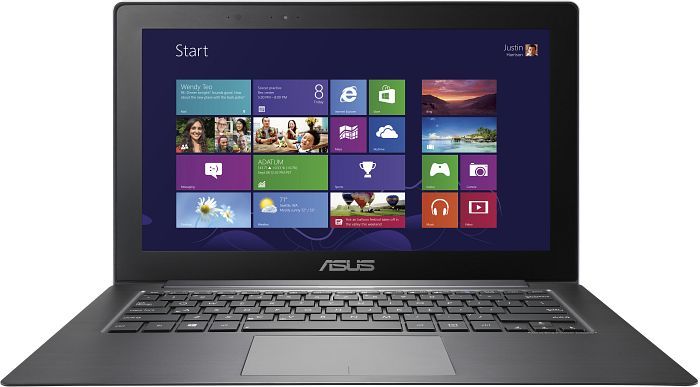
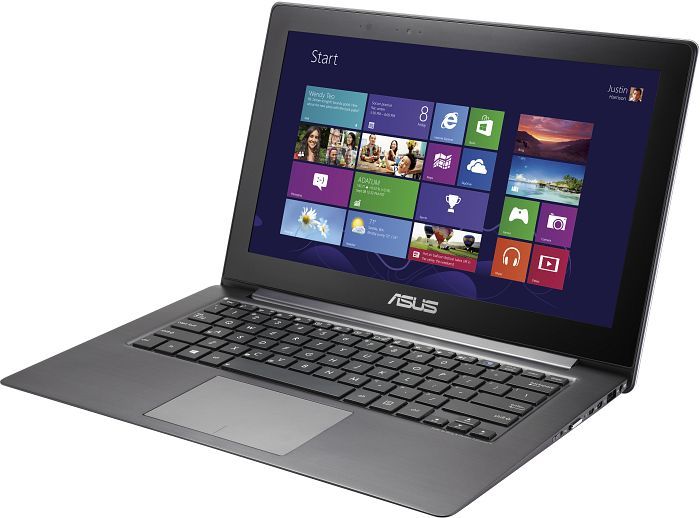
Asus Taichi 21 Serie
 Prozessor: Intel Core i5 3317U, Intel Core i7 3517U
Grafikkarte: Intel HD Graphics 4000
Bildschirm: 11.60 Zoll
Gewicht: 1.25kg, 1.254kg, 1.3kg
Preis: 1100, 1200, 1599, 1600 Euro
Durchschnitt von 28 Bewertungen (aus 36 Tests)
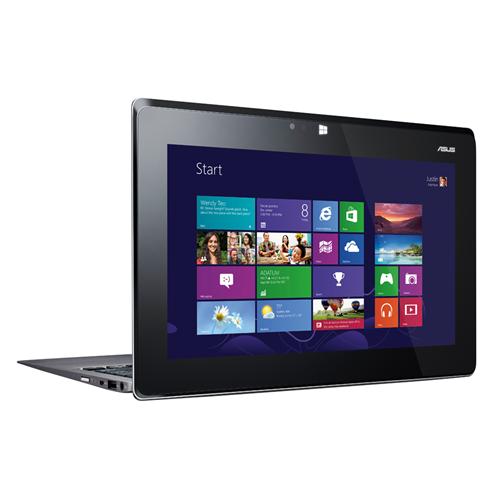
Asus Taichi 21-CW001H
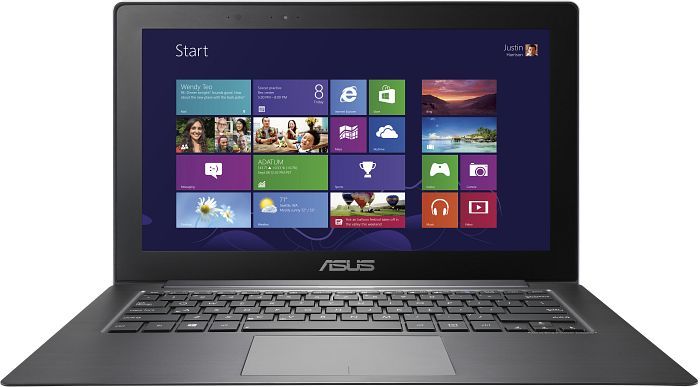
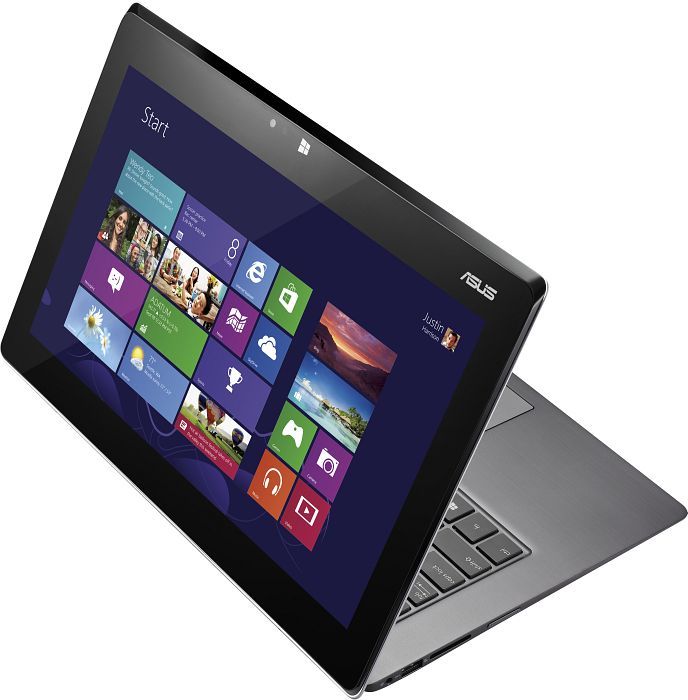
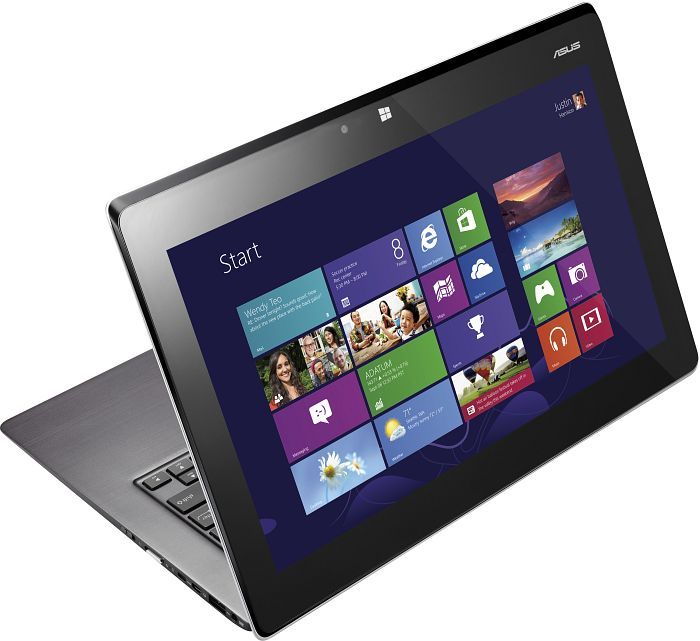
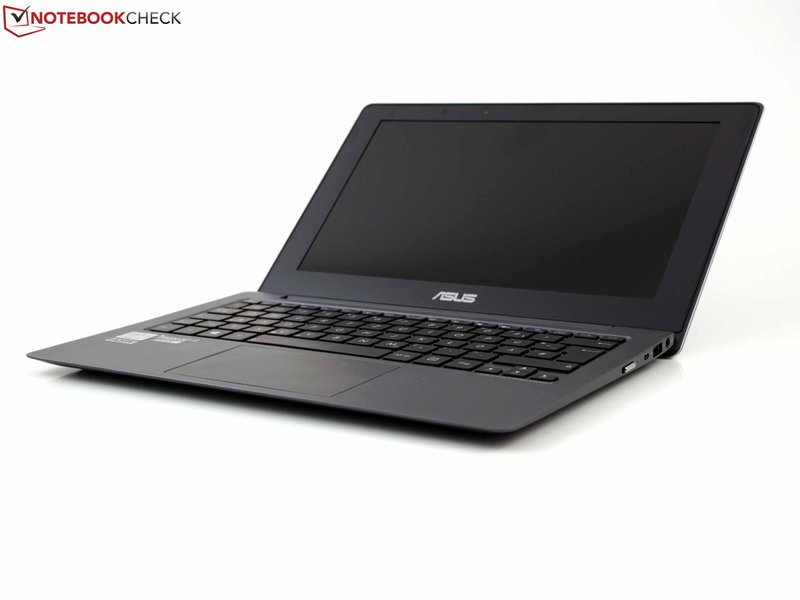
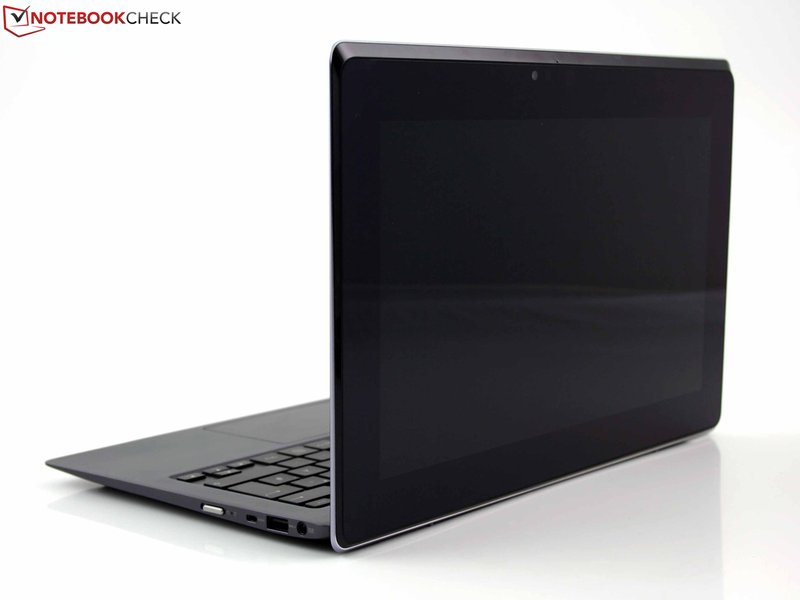
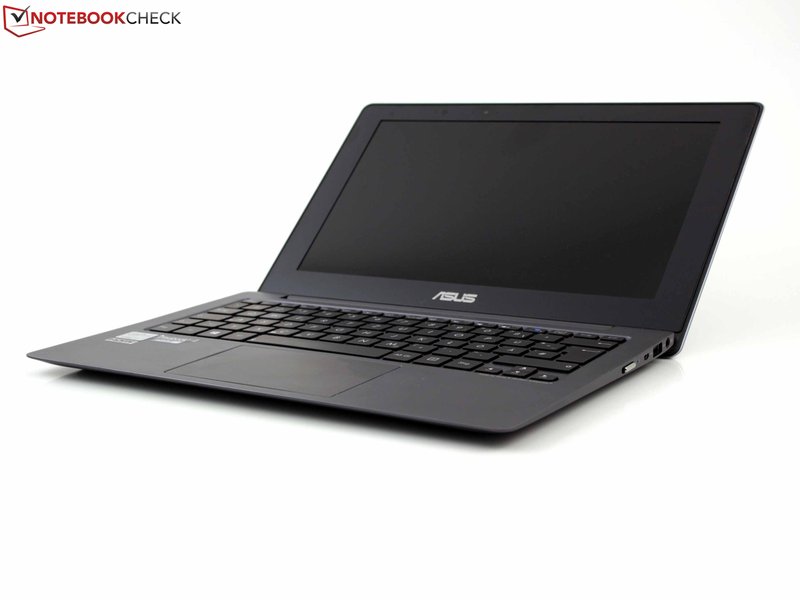
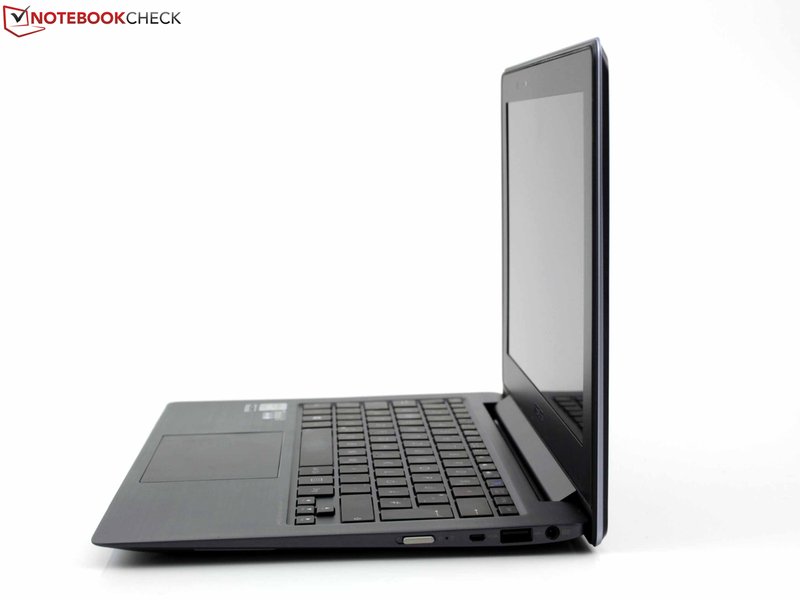
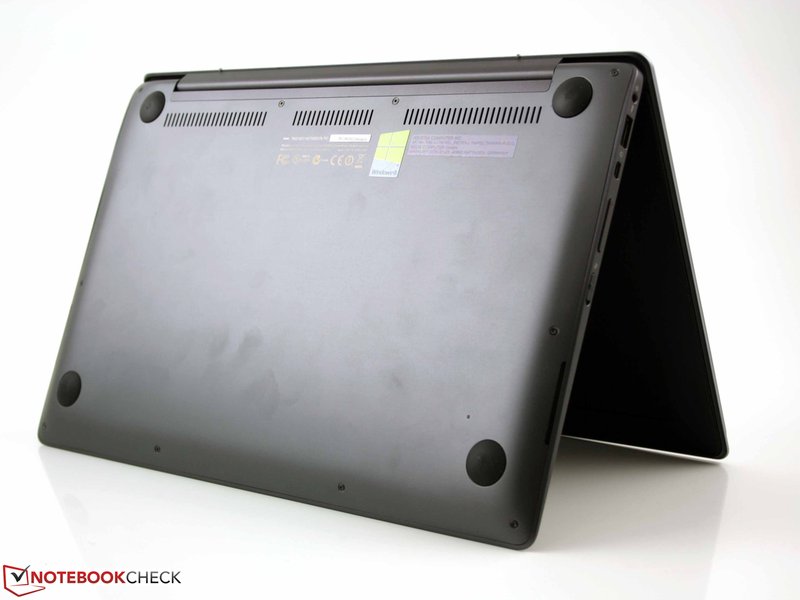
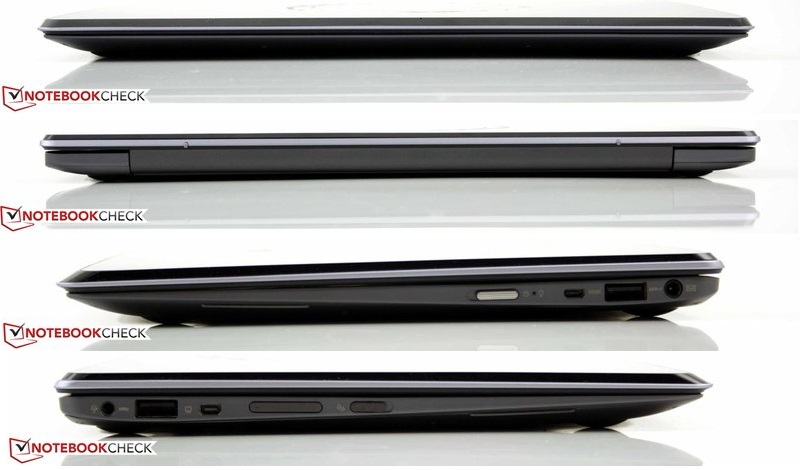
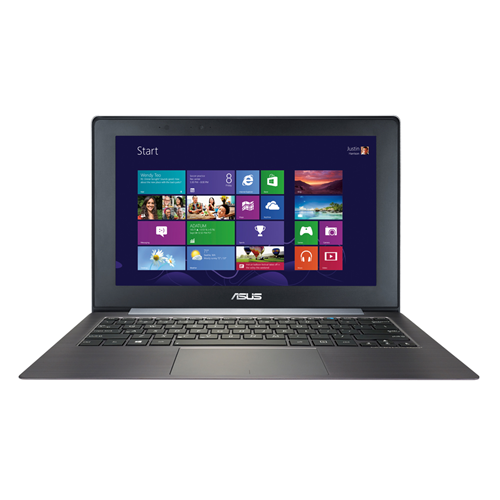
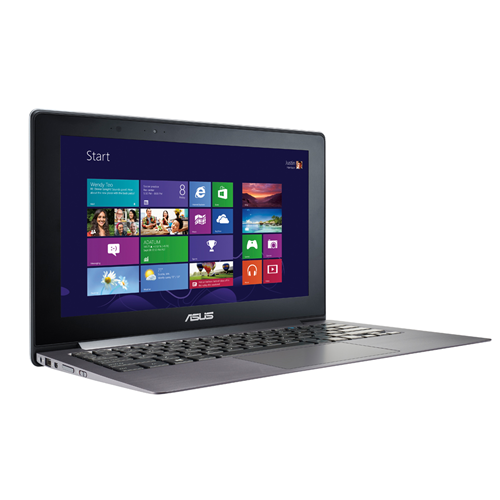
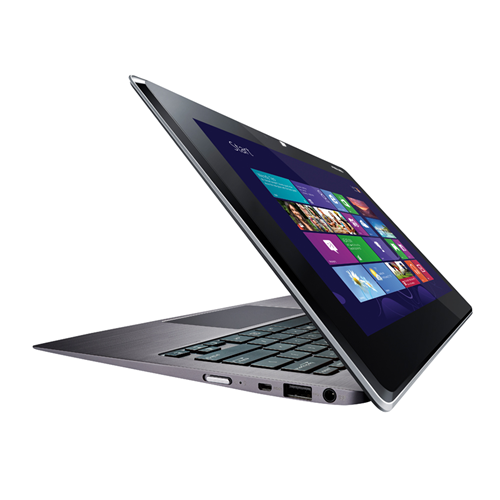
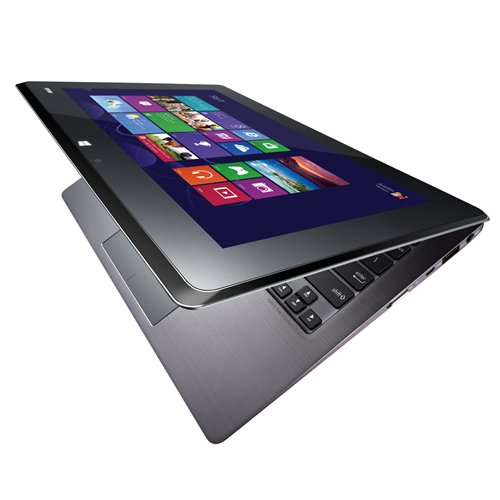
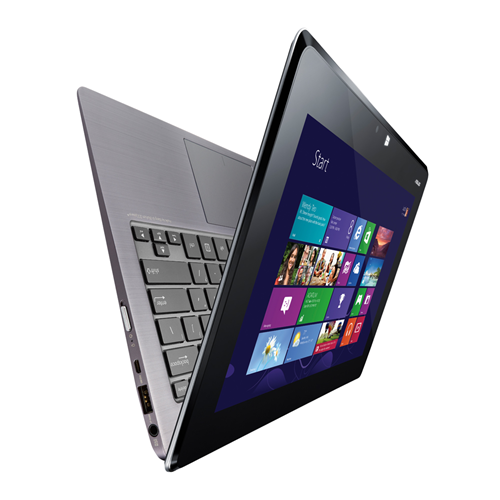
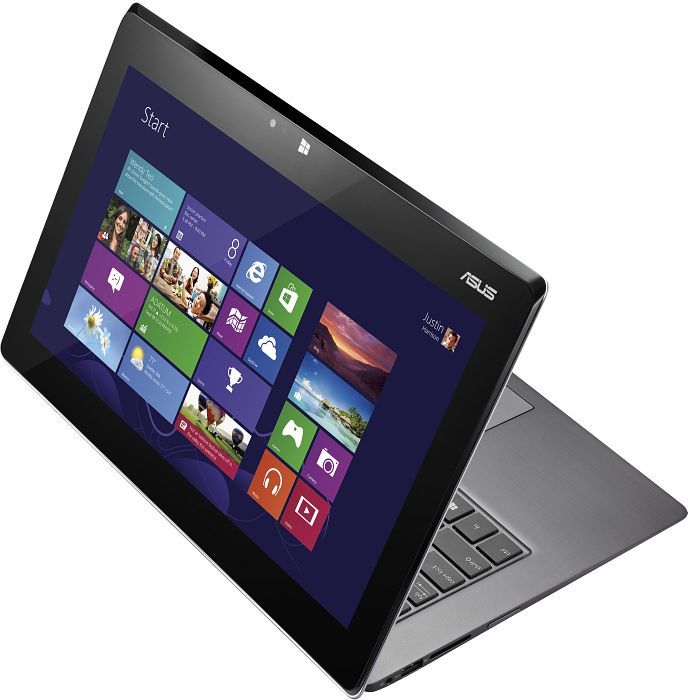
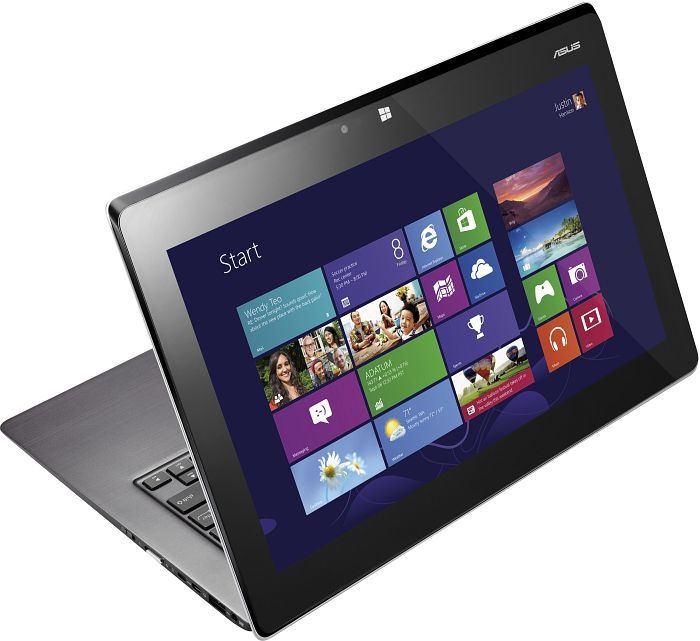
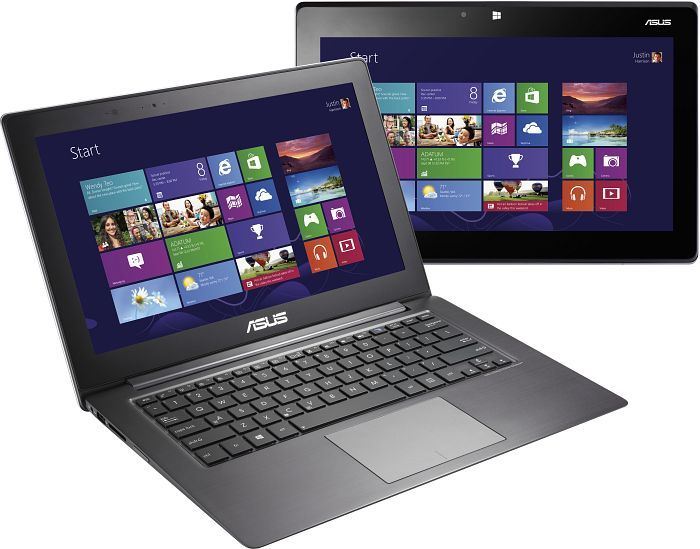
Nachdem Windows 8 mit seinem Touch-Interface und bunten Tiles eingeführt worden ist, bringen viele OEMs rasch Laptops und Tablets mit Touchscreens auf den Markt, um auf die Innovationswelle aufzuspringen. Einige stellen sogar Geräte vor, die wie das Sony Vaio Duo 11 mit seinem Schiebemechanismus, das Dell XPS 12 mit seinem Drehmechanismus, das Lenovo Ideapad Yoga mit seinem 360-Grad-Scharnier, sowohl als Tablet als auch als Notebooks genutzt werden können. Unter diesen fällt das Asus Taichi 21 mit seinem Dual-Screen-Konzept am meisten auf.
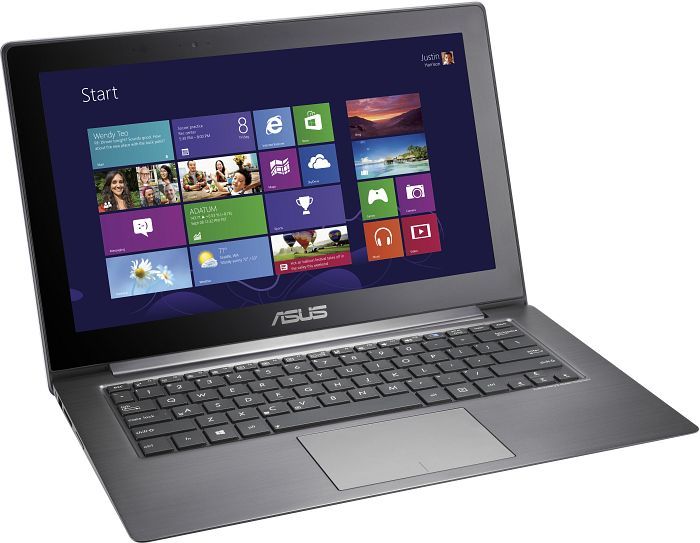
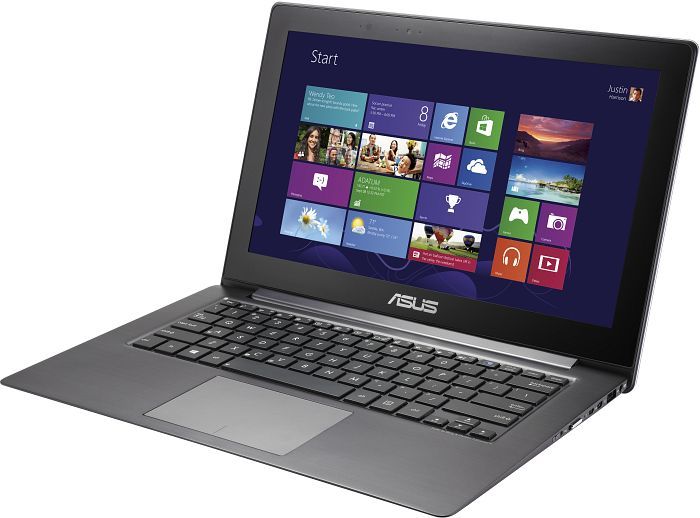
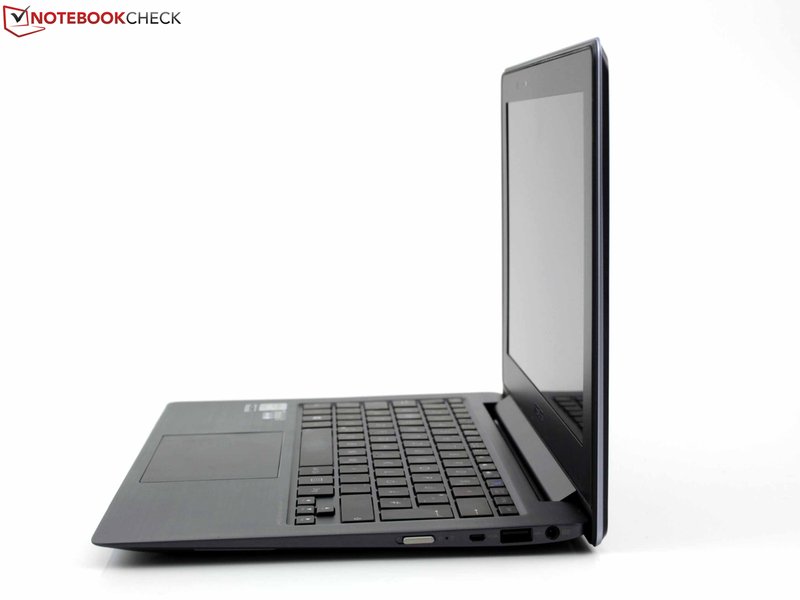
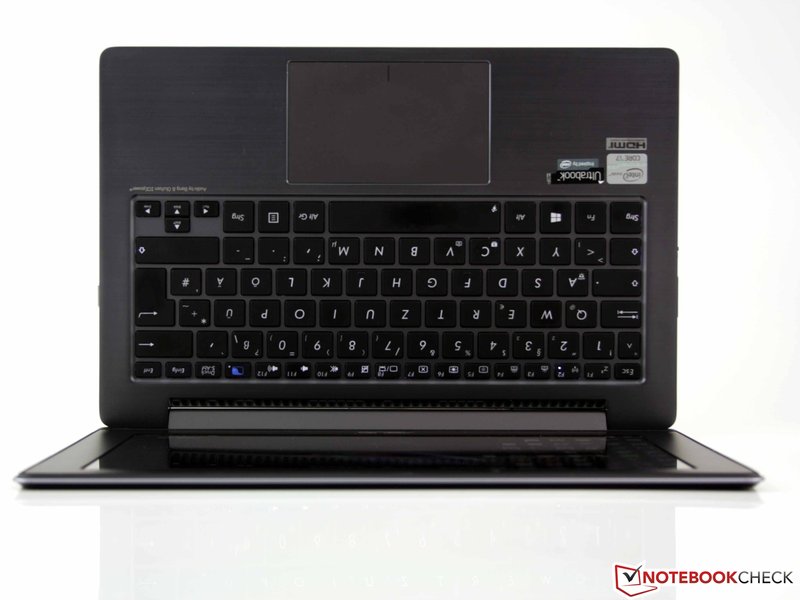
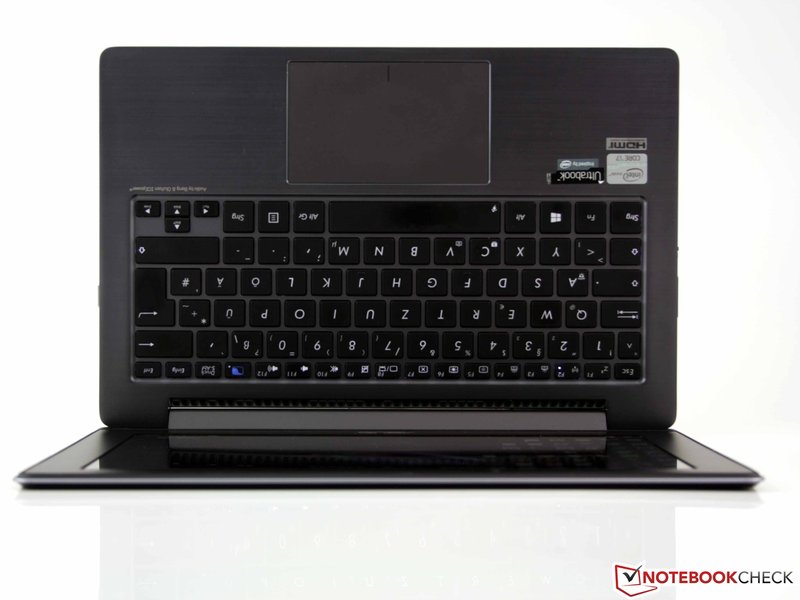
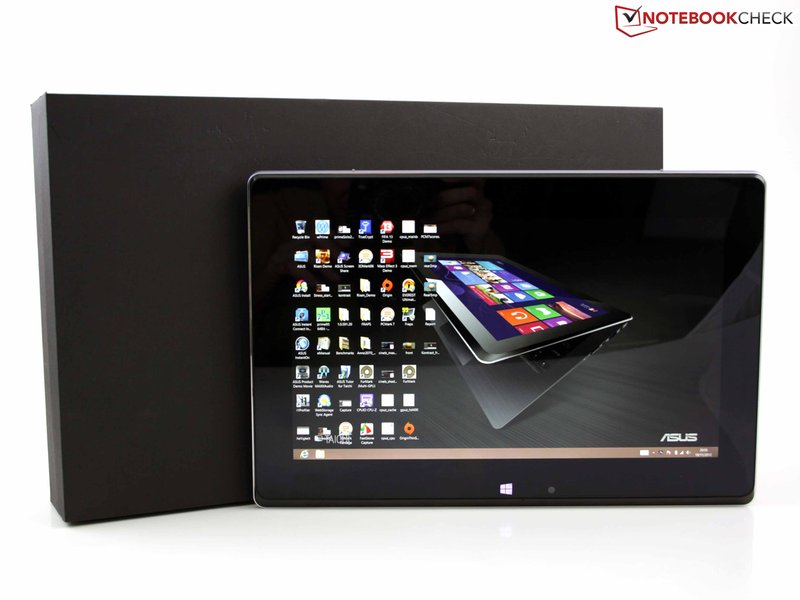
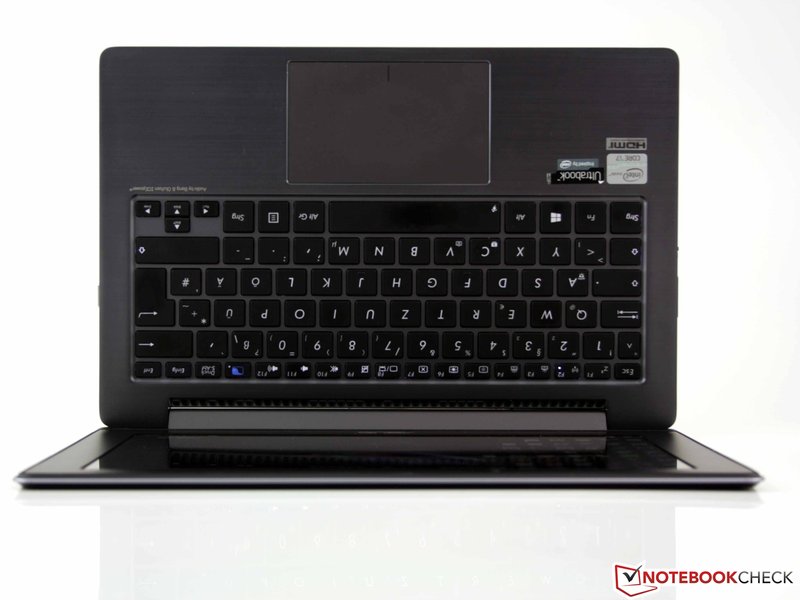
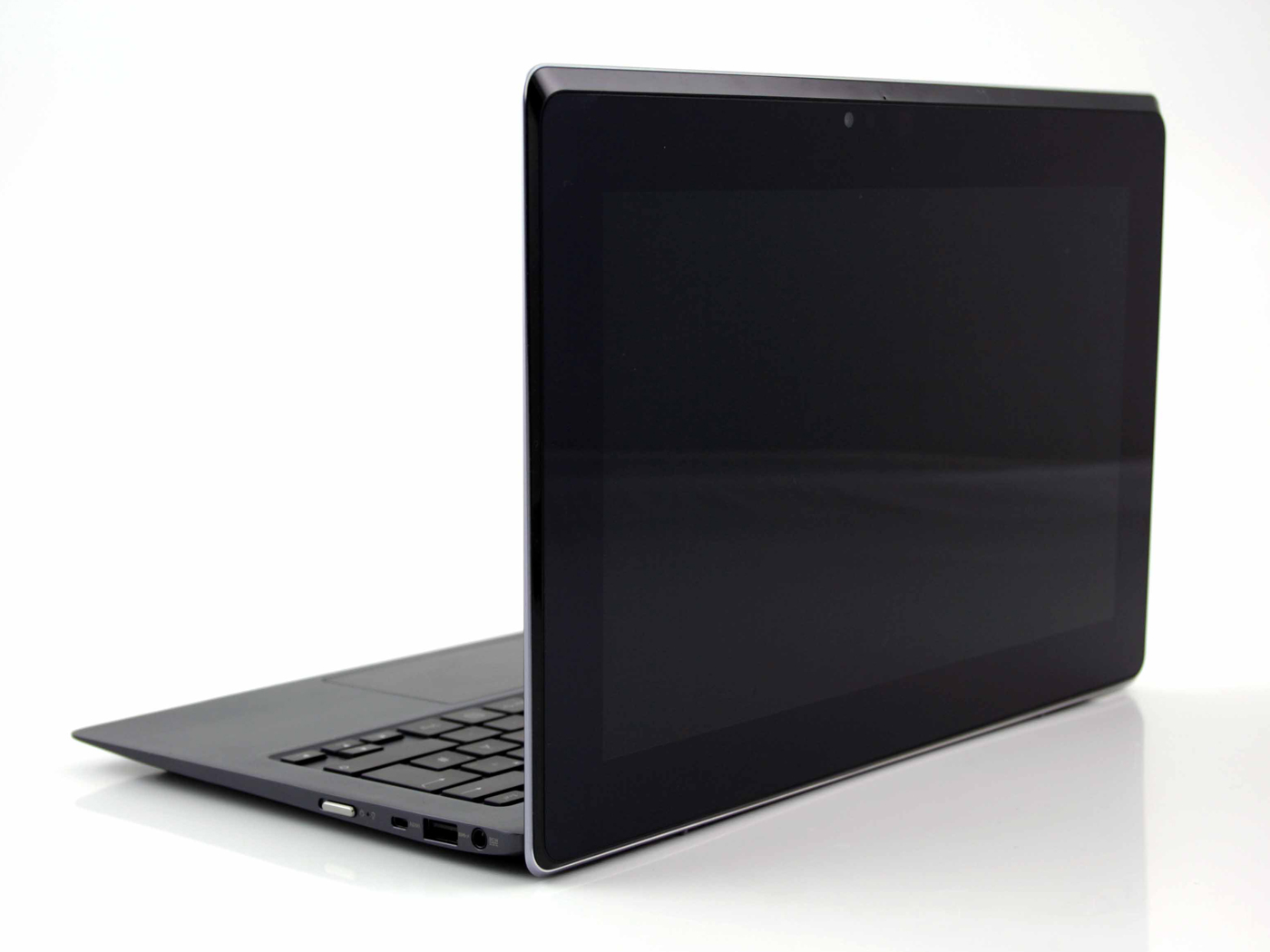
Im Wesentlichen verwendet das Asus das Design des beliebten Zenbooks, verbaut einen zusätzlichen Touchscreen am Bildschirmdeckel und schon ist das Taichi fertig. Mit seinem innovativen Design könnte das Taichi für viele Geschäftskunden interessant sein, die bei langen Besprechungen im Tablet-Modus Notizen nehmen wollen, oder potentiellen Kunden im Dual-Screen-Modus neue Produkte präsentieren wollen. Die Idee hinter dem Dual-Screen-Laptop ist cool und eine Neuheit für Geschäftskunden und sie funktioniert.
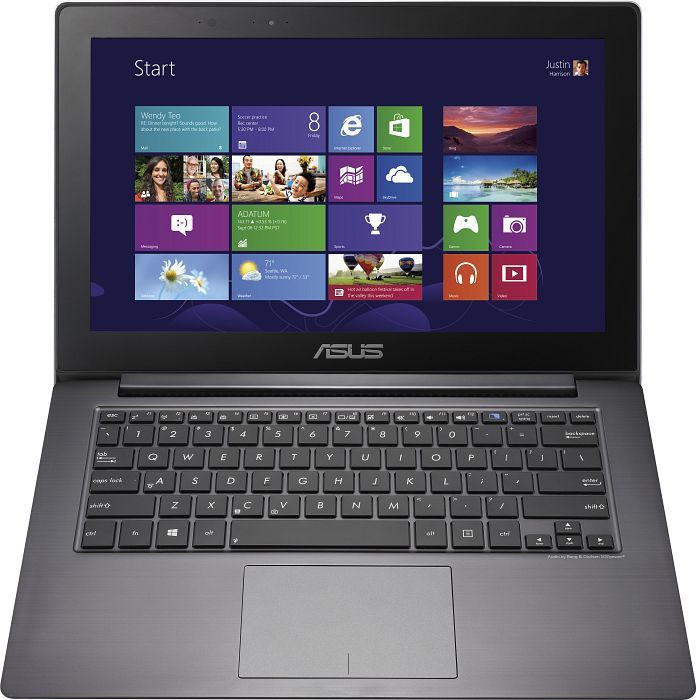
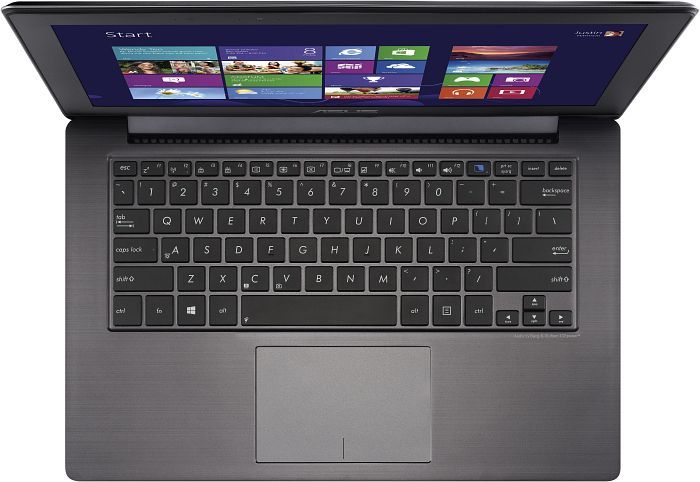
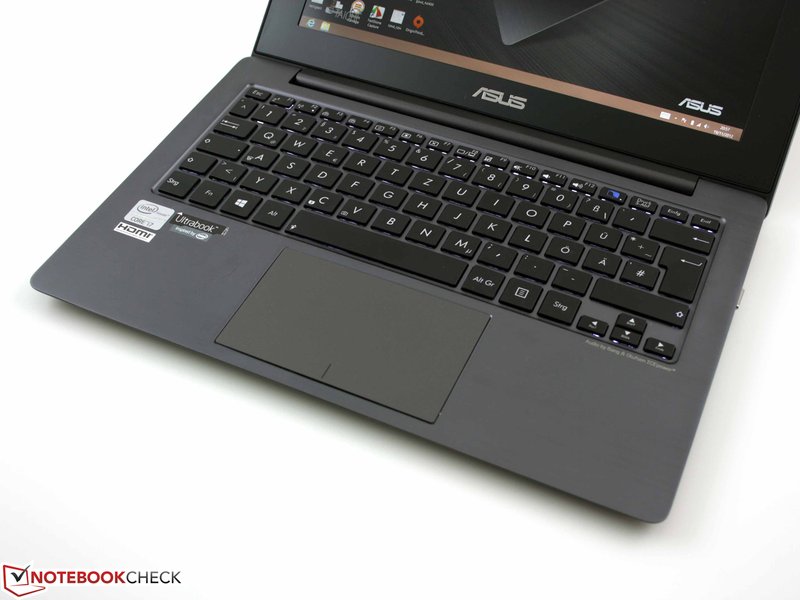
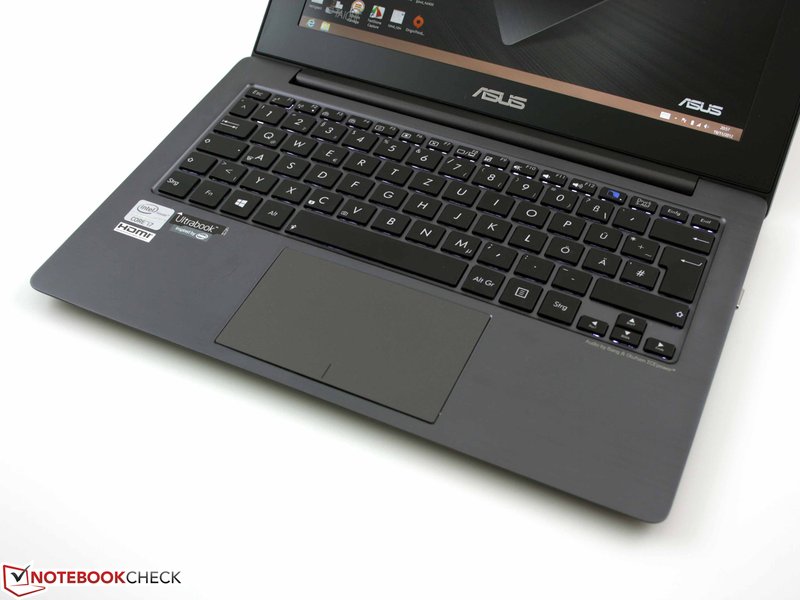
Wegen der beiden hochwertigen FullHD Bildschirme, Zenbook-ähnlichem Gewicht, Verarbeitungsqualität und Tastatur, ist das Ultrabook sehr attraktiv. Der einzigen beiden Nachteile des Taichi sind die verglichen mit traditionellen Ultrabooks etwas kurze Akkulaufzeit, die jedoch dem Durchschnitt der Touch-Screen-Ultrabooks entspricht und dass am inneren Bildschirm keine Toucheingaben möglich sind. Letzteres könnte viele User von einem Kauf abhalten. Mit der vierten Intel Core-i-CPU-Serie könnte das Akkulaufzeitproblem gelöst werden. Nach nur einer kleinen Überarbeitung des Taichi-Designs könnte es sich um eines der nützlichsten, wenn nicht um das für alle Szenarien nützlichste Gerät überhaupt handeln.
Ausstattung / Datenblatt
 Notebook: Asus Taichi 21-CW001H
Prozessor: Intel Core i7 3517U
Grafikkarte: Intel HD Graphics 4000
Bildschirm: 11.60 Zoll, 16:9, 1920 x 1080 Pixel
Gewicht: 1.254kg
Preis: 1599 Euro
Links: Asus Startseite Asus Notebooks Übersichtseite
Preisvergleich
Bewertung:
Testberichte
Weltverbesserer. Ein Gerät, das für alles passt. Surfen, präsentieren, schreiben, mobil sein und zu zweit arbeiten. Die simple Idee eine Dual-TFTs auf Vorder- und Rückseite soll den Umgang mit einem Windows PC revolutionieren.
Quelle: PC Magazin - 3/13

Für Windows-8-Spiele reicht die 3D-Performance der im Prozessor integrierten HD-4000-Grafik gut aus, anspruchsvollere Games laufen aber nur mit niedriger Auflösung und Qualitätseinstellungen. Ein Schwachpunkt ist beim Taichi 21 die Akkulaufzeit mit knapp vier Stunden im Powermark. Selbst mit nur einem aktiven Display ist sie deutlich kürzer
Vergleich, online nicht verfügbar, Länge unbekannt, Datum: 01.02.2013
Quelle: PC Magazin - 3/13
Für Windows-8-Spiele reicht die 3D-Performance der im Prozessor integrierten HD-4000-Grafik gut aus, anspruchsvollere Games laufen aber nur mit niedriger Auflösung und Qualitätseinstellungen. Ein Schwachpunkt ist beim Taichi 21 die Akkulaufzeit mit knapp vier Stunden im Powermark. Selbst mit nur einem aktiven Display ist sie deutlich kürzer
Vergleich, online nicht verfügbar, Länge unbekannt, Datum: 01.02.2013
Ausländische Testberichte
Quelle: APC Mag
 EN→DE Archive.org version
We’re used to seeing interesting designs when it comes to Windows 8 tablets and convertibles, but the Taichi takes the cake for originality.We’re not sold on the idea of twin displays and it’s obviously come at the cost of other components. If you can find a good reason to use both screens, there’s nothing else quite like the Taichi, although it feels more of a proof of concept than a usable solution.
Einzeltest, online verfügbar, Kurz, Datum: 09.04.2013
Bewertung: Gesamt: 70%
Quelle: APC Mag
EN→DE Archive.org versionWe’re used to seeing interesting designs when it comes to Windows 8 tablets and convertibles, but the Taichi takes the cake for originality.We’re not sold on the idea of twin displays and it’s obviously come at the cost of other components. If you can find a good reason to use both screens, there’s nothing else quite like the Taichi, although it feels more of a proof of concept than a usable solution.
Einzeltest, online verfügbar, Kurz, Datum: 09.04.2013
Bewertung: Gesamt: 70%
Quelle: Computer Shopper
EN→DE Archive.org versionThere's little arguing the fact that the Taichi is a well-built premium laptop. And both of its screens are of excellent quality. But like pretty much every hybrid or convertible we've seen so far, its split personality results in a compromised experience on both sides. As a tablet, the Taichi is powerful and responsive, but it's also about twice as heavy as most similarly sized dedicated tablets. And battery life is also pretty short by tablet standards.
Einzeltest, online verfügbar, Lang, Datum: 22.02.2013
Bewertung: Gesamt: 70%
Quelle: Computer Shopper
EN→DE Archive.org versionThere's little arguing the fact that the Taichi is a well-built premium laptop. And both of its screens are of excellent quality. But like pretty much every hybrid or convertible we've seen so far, its split personality results in a compromised experience on both sides. As a tablet, the Taichi is powerful and responsive, but it's also about twice as heavy as most similarly sized dedicated tablets. And battery life is also pretty short by tablet standards.
Einzeltest, online verfügbar, Lang, Datum: 22.02.2013
Bewertung: Gesamt: 70%
Quelle: Techreview Source
EN→DE Archive.org versionWindows 8 opened up new possibilities for mobile computing and the Asus Taichi 21 takes advantage of this. It has dual 11.6-inch 1080p displays where the second on the back of the primary display acts as a tablet when closed. Both of the displays look really good but the battery life is short. Asus really tried to keep the Taichi 21 light and compact and they certainly succeeded. It measures 12.1 x 7.8 x 0.7-inches (wdh) and weighs just shy of 3-pounds. The design is also eye-pleasing with an aluminum keyboard deck, sides and bottom with tapering edges to finish it off. Our only design question was why Asus put such a thick bezel around the primary display.
Einzeltest, online verfügbar, Sehr kurz, Datum: 28.01.2013
Bewertung: Gesamt: 60%
Quelle: Techreview Source
EN→DE Archive.org versionWindows 8 opened up new possibilities for mobile computing and the Asus Taichi 21 takes advantage of this. It has dual 11.6-inch 1080p displays where the second on the back of the primary display acts as a tablet when closed. Both of the displays look really good but the battery life is short. Asus really tried to keep the Taichi 21 light and compact and they certainly succeeded. It measures 12.1 x 7.8 x 0.7-inches (wdh) and weighs just shy of 3-pounds. The design is also eye-pleasing with an aluminum keyboard deck, sides and bottom with tapering edges to finish it off. Our only design question was why Asus put such a thick bezel around the primary display.
Einzeltest, online verfügbar, Sehr kurz, Datum: 28.01.2013
Bewertung: Gesamt: 60%
Quelle: V3.co.uk
EN→DE Archive.org versionOverall, the Asus Taichi handled the Windows 8 OS very well, with very little lag when swiping between live tiles, and programs popped up almost as soon as we selected them. However, after installing a number of applications and storing a sufficient amount of data, we can imagine that it could slow down a bit.
Einzeltest, online verfügbar, Mittel, Datum: 11.01.2013
Bewertung: Gesamt: 60%
Quelle: V3.co.uk
EN→DE Archive.org versionOverall, the Asus Taichi handled the Windows 8 OS very well, with very little lag when swiping between live tiles, and programs popped up almost as soon as we selected them. However, after installing a number of applications and storing a sufficient amount of data, we can imagine that it could slow down a bit.
Einzeltest, online verfügbar, Mittel, Datum: 11.01.2013
Bewertung: Gesamt: 60%
Quelle: Techradar
EN→DE Archive.org versionThe Asus Taichi stands up as a supremely desirable piece of consumer tech that acts as a sterling showcase for Microsoft's Windows 8 operating system. Both power and usability are first class, and the design - as we've come to expect from Asus - really is head-turning. The Asus Taichi works better as a laptop than a tablet, but it's one of the best examples we've yet seen of marrying the two form factors together.
Einzeltest, online verfügbar, Lang, Datum: 06.12.2012
Bewertung: Gesamt: 80%
Quelle: Techradar
EN→DE Archive.org versionThe Asus Taichi stands up as a supremely desirable piece of consumer tech that acts as a sterling showcase for Microsoft's Windows 8 operating system. Both power and usability are first class, and the design - as we've come to expect from Asus - really is head-turning. The Asus Taichi works better as a laptop than a tablet, but it's one of the best examples we've yet seen of marrying the two form factors together.
Einzeltest, online verfügbar, Lang, Datum: 06.12.2012
Bewertung: Gesamt: 80%
Quelle: Stuff TV
EN→DE Archive.org versionThe Taichi’s screen-on-screen action could be exactly what some people want – be they business types, show-offs or just wildly popular Ultrabook users who never get any peace from their adoring fans. It is a touch too unwieldy to use as a touchscreen tablet to justify that £1200 price tag, but it’s already available for less so you may not have to stretch right up to the RRP.
Einzeltest, online verfügbar, Sehr kurz, Datum: 01.12.2012
Bewertung: Gesamt: 80%
Quelle: Stuff TV
EN→DE Archive.org versionThe Taichi’s screen-on-screen action could be exactly what some people want – be they business types, show-offs or just wildly popular Ultrabook users who never get any peace from their adoring fans. It is a touch too unwieldy to use as a touchscreen tablet to justify that £1200 price tag, but it’s already available for less so you may not have to stretch right up to the RRP.
Einzeltest, online verfügbar, Sehr kurz, Datum: 01.12.2012
Bewertung: Gesamt: 80%
Quelle: PC Pro
EN→DE Archive.org versionMany manufacturers are struggling to find the most natural meeting point between the tablet and the laptop, and Asus’ own Windows 8 range provides yet more evidence of this. With its VivoBooks marrying touchscreens to standard laptops, the forthcoming VivoTab range mimicking the separate tablet and keyboard dock concept of the Android-powered Transformer Pad, and the Taichi 21 ploughing its own dual-screened furrow, it seems even Asus isn’t confident enough to put all of its eggs in one basket. Give it a few years and a refined, lighter chassis married with more power-efficient CPUs and improved battery life could see this dual-screened form factor present a compelling hybrid. At present, though, Asus’ Taichi 21 feels like a bold, innovative concept that’s just a little too far ahead of its time.
Einzeltest, online verfügbar, Kurz, Datum: 22.11.2012
Bewertung: Gesamt: 67% Preis: 50% Leistung: 67% Ausstattung: 67% Ergonomie: 67%
Quelle: PC Pro
EN→DE Archive.org versionMany manufacturers are struggling to find the most natural meeting point between the tablet and the laptop, and Asus’ own Windows 8 range provides yet more evidence of this. With its VivoBooks marrying touchscreens to standard laptops, the forthcoming VivoTab range mimicking the separate tablet and keyboard dock concept of the Android-powered Transformer Pad, and the Taichi 21 ploughing its own dual-screened furrow, it seems even Asus isn’t confident enough to put all of its eggs in one basket. Give it a few years and a refined, lighter chassis married with more power-efficient CPUs and improved battery life could see this dual-screened form factor present a compelling hybrid. At present, though, Asus’ Taichi 21 feels like a bold, innovative concept that’s just a little too far ahead of its time.
Einzeltest, online verfügbar, Kurz, Datum: 22.11.2012
Bewertung: Gesamt: 67% Preis: 50% Leistung: 67% Ausstattung: 67% Ergonomie: 67%
Quelle: Notegear
 KO→DE Archive.org version
Positve: Convertable; aluminum case; comfortable keyboard; fullHD display.
Einzeltest, online verfügbar, Sehr Lang, Datum: 07.01.2013
Quelle: Notegear
KO→DE Archive.org versionPositve: Convertable; aluminum case; comfortable keyboard; fullHD display.
Einzeltest, online verfügbar, Sehr Lang, Datum: 07.01.2013
Asus Taichi 21-CW002H
Ausstattung / Datenblatt
 Notebook: Asus Taichi 21-CW002H
Prozessor: Intel Core i5 3317U
Grafikkarte: Intel HD Graphics 4000
Bildschirm: 11.60 Zoll, 16:9, 1920 x 1080 Pixel
Gewicht: 1.3kg
Preis: 1600 Euro
Links: Asus Startseite Asus Notebooks Übersichtseite Taichi 21-CW002H (Modell)
Preisvergleich
Bewertung:
Testberichte
Quelle: Chip.de
Archive.org versionDas hochwertig verarbeitete Asus Taichi21-CW002H sieht zwar interessant aus, das Dual-Konzept überzeugt aber weder als Ultrabook noch als Tablet zur Gänze: Die Laufzeit ist zu kurz, die Display-Qualität bestenfalls befriedigend und die gefühlte Wärmeentwicklung zu hoch. Zu dem hohen Preis holen Sie sich besser ein gutes Ultrabook und ein gutes Tablet dazu.
Einzeltest, online verfügbar, Mittel, Datum: 05.02.2013
Bewertung: Gesamt: 78% Preis: 63% Leistung: 75% Ausstattung: 66% Bildschirm: 89% Mobilität: 71% Ergonomie: 88%
Quelle: Notebookjournal
Archive.org versionDie Idee von Asus, zwei Bildschirme in einem Gerät zu verbauen ist mutig. Aber geht das Konzept in der Praxis auf? Für Präsentationen, bei denen man sich gegenübersitzt, sind die Bildschirme mit 11,6 Zoll zu klein. Hier sollte man vielleicht auf das 13-Zoll-Modell warten, das in Kürze folgen soll. Das löst aber auch ein anderes Problem nicht: Normalerweise sieht man beim Notebook auf ein leicht nach hinten gekipptes Display.
Einzeltest, online verfügbar, Lang, Datum: 18.01.2013
Bewertung: Leistung: 70% Ausstattung: 30% Bildschirm: 70% Mobilität: 40% Gehäuse: 70% Ergonomie: 20%
Ausländische Testberichte
Quelle: PC Authority
EN→DE Archive.org versionMany manufacturers are struggling to find the most natural meeting point between the tablet and the laptop, and Asus’ own Windows 8 range provides yet more evidence of this. With its VivoBooks marrying touchscreens to standard laptops, the forthcoming VivoTab range mimicking the separate tablet and keyboard dock concept of the Android-powered Transformer Pad, and the Taichi 21 ploughing its own dual-screened furrow, it seems even Asus isn’t confident enough to put all of its eggs in one basket. Give it a few years and a refined, lighter chassis married with more power-efficient CPUs and improved battery life could see this dual-screened form factor present a compelling hybrid. At present, though, Asus’ Taichi 21 feels like a bold, innovative concept that’s just a little too far ahead of its time.
Einzeltest, online verfügbar, Kurz, Datum: 19.02.2013
Bewertung: Gesamt: 67%
Quelle: Ultrabook News
EN→DE Archive.org versionASUS deserves applause for trying something new and doing it as well as is possible given the current technology. It’s a flagship product that’s brought ASUS a lot of well- deserved attention but we don’t think it’s going to sell that well. It’s simply ahead of its time. Ivy Bridge is not a consumer tablet-capable processor and sandwiching two 1080p screens comes with big size and battery life trade-offs. The Taichi 21 needs to be 20% lighter with 50% better battery life. Interestingly that could be only one generation away. Haswell could make products like this into highly dynamic and usable devices that span consumer and business use.
Einzeltest, online verfügbar, Lang, Datum: 11.02.2013
Quelle: Engadget
EN→DE Archive.org versionAround the time I wrote this review, I was also working on Engadget's first-ever laptop buyer's guide. I was sure the TAICHI would be a shoo-in for the convertible section, what with its innovative design and sterling spec sheet. Unfortunately, as inventive as this is as a concept, the finished product isn't quite what we all thought it would be.
Einzeltest, online verfügbar, Lang, Datum: 06.02.2013
Quelle: Good Gear Guide
EN→DE Archive.org versionThe ASUS Taichi 21 is a hybrid Ultrabook that ships with two Full HD screens. Open the lid to use it as a laptop, close the lid to use it as a tablet. It's easy to use and it provides a very good tablet experience. It's not perfect though: we think it needs some tweaks to the hardware and software. But overall, it's a unit worth considering if you're after a Windows 8 hybrid unit.
Einzeltest, online verfügbar, Mittel, Datum: 19.11.2012
Bewertung: Gesamt: 75%
Asus Taichi 21-DH71
Ausstattung / Datenblatt
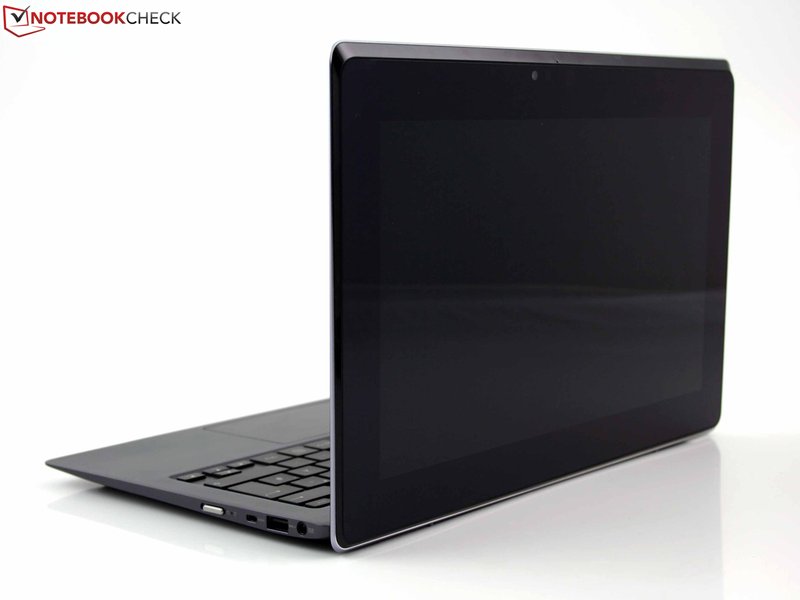 Notebook: Asus Taichi 21-DH71
Prozessor: Intel Core i7 3517U
Grafikkarte: Intel HD Graphics 4000
Bildschirm: 11.60 Zoll, 16:9, 1920 x 1080 Pixel
Gewicht: 1.3kg
Preis: 1600 Euro
Links: Asus Startseite Asus Notebooks Übersichtseite
Preisvergleich
Bewertung:
Ausländische Testberichte
Quelle: IT Reviews
EN→DE Archive.org versionThe Asus Taichi 21 offers a unique dual-display design, but the end result is a good ultrabook combined with a middling tablet, at a fairly high price. Ultimately, the Asus Taichi 21 (Taichi 21-DH71) is a decent ultrabook, with an innovative design that may not have broad appeal. That’s a shame because the glass-backed lid looks great, and the Zenbook-like design of the laptop echoes Asus’s best systems.
Einzeltest, online verfügbar, Mittel, Datum: 01.02.2013
Bewertung: Gesamt: 60%
Quelle: PC Mag
EN→DE Archive.org versionUltimately, the Asus Taichi 21 (Taichi 21-DH71) is a decent ultrabook, with an innovative design that may not have broad appeal. That's a shame because the glass-backed lid looks great, and the Zenbook-like design of the laptop echoes Asus's best systems. Unfortunately, in this period of dual-device confusion, the attitude of "let's throw something at the touch screen and see what sticks" puts the Taichi 21 in the unenviable position of being a good ultrabook and a mediocre tablet, and not everyone will appreciate the combination of the two as a dual-display device. Despite the two-screened awkwardness, short battery life, and premium price, I'll gladly give Asus props for taking an innovative stab at today's odd design problems. For a better convertible ultrabook, however, consider either the Dell XPS 12 or the Lenovo IdeaPad Yoga 13, and for our top pick for ultrabooks, consider the Editors' Choice Toshiba Portege Z935-P300 $999.00 at Amazon Marketplace.
Einzeltest, online verfügbar, Kurz, Datum: 30.01.2013
Bewertung: Gesamt: 70%
Quelle: CNet
EN→DE Archive.org versionThe Asus Taichi 21 is fun, inventive, and a great conversation starter. It's also likely more clever than practical for many, and has a bit of a novelty feel -- but that's true of many of the new breed of Windows 8 laptop/tablet hybrids, as PC makers struggle to find forms that will appeal to consumers. The marketplace will ultimately decide which designs move forward.
Einzeltest, online verfügbar, Mittel, Datum: 29.01.2013
Bewertung: Gesamt: 75% Leistung: 80% Mobilität: 70%
Quelle: Digital Trends
EN→DE Archive.org versionOh Asus, you tried so hard to impress us with the Taichi 21 – and it worked … at first. The idea behind this hybrid is cool and different, and we want to like it. We wish the battery life was a little longer, the bottom was less toasty, and the Taichi had some apps that make the two screens less of a novelty and more of a must-have feature. Alas, that is not the case, and we’re genuinely sad to say so.
Einzeltest, online verfügbar, Lang, Datum: 29.01.2013
Bewertung: Gesamt: 55%
Quelle: Inside HW
EN→DE Archive.org versionAs a finished product, Taichi is a huge step ahead for the market, especially since most other manufacturers have stopped at the drawing board for now. Disregarding its few minor drawbacks, Taichi 21 has definitely ploughed no man’s land, with ASUS starting a new chapter in the IT industry yet again.
Einzeltest, online verfügbar, Lang, Datum: 26.01.2013
Quelle: Laptop Mag
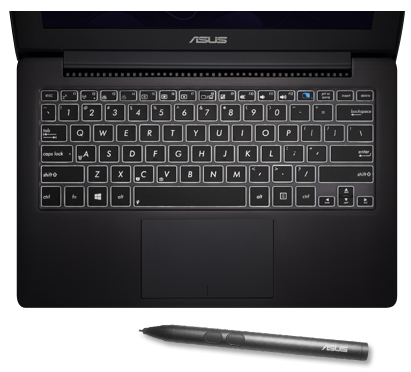
EN→DE Archive.org versionASUS' Taichi 21 offers an innovative dual-screen design in a lightweight chassis along with impressive sound. Not only is it easy to change from notebook to tablet mode, you can use the external screen for giving presentations. And while there's nowhere to put the pen on the system, we appreciate that the Taichi supports pen input. Unfortunately, its short battery life makes the $1,599 price tough to justify.
Einzeltest, online verfügbar, Lang, Datum: 25.01.2013
Bewertung: Gesamt: 50%
Quelle: Mobile Tech Review
EN→DE Archive.org versionAfter the June announcement's shock and awe wore off, the Asus Taichi seemed flashy rather than brilliant. After all, few of us really have use for two displays and those displays add weight and reduce durability (the lid is a piece of glass). Sure, it's novel and allows us to stick with the comfort of a traditional notebook hinge and form factor, but is it worth the $100 premium over single display models?
Einzeltest, online verfügbar, Lang, Datum: 24.01.2013
Bewertung: Gesamt: 75%
Asus Taichi 21-CW003H
Ausstattung / Datenblatt
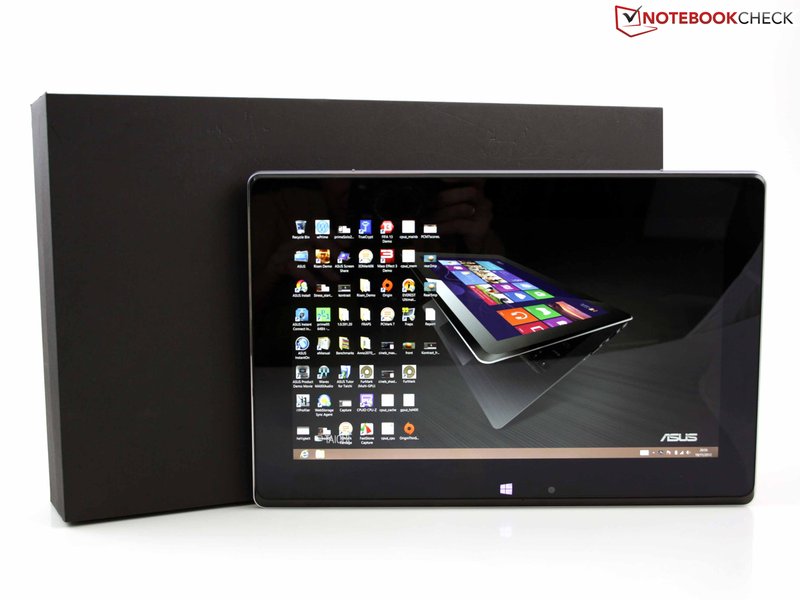 Notebook: Asus Taichi 21-CW003H
Prozessor: Intel Core i5 3317U
Grafikkarte: Intel HD Graphics 4000
Bildschirm: 11.60 Zoll, 16:9, 1920 x 1080 Pixel
Gewicht: 1.3kg
Preis: 1100 Euro
Links: Asus Startseite Asus Notebooks Übersichtseite
Preisvergleich
Bewertung:
Testberichte
Quelle: Ultrabook King
Archive.org versionGrundsätzlich ist das Asus Taichi ein gelungenes Ultrabook, jedoch hat es einige Schwächen. Die Performance ist gut, ein i7 Prozessor könnte sicherlich noch für eine Steigerung sorgen, sonst gibt es keine Beanstandungen. SSD und Arbeitsspeicher arbeiten schnell, das belegen auch die Benchmarks. Die beiden Displays sind gut, mit Potential nach oben.
Einzeltest, online verfügbar, Mittel, Datum: 14.02.2013
Bewertung: Gesamt: 75% Preis: 60% Leistung: 80% Ausstattung: 90% Bildschirm: 80% Mobilität: 60% Gehäuse: 80%
Ausländische Testberichte
Quelle: Erenumerique
 FR→DE Archive.org version
Einzeltest, online verfügbar, Kurz, Datum: 04.02.2013
Bewertung: Gesamt: 85%
Asus Taichi 21-DH51
Ausstattung / Datenblatt
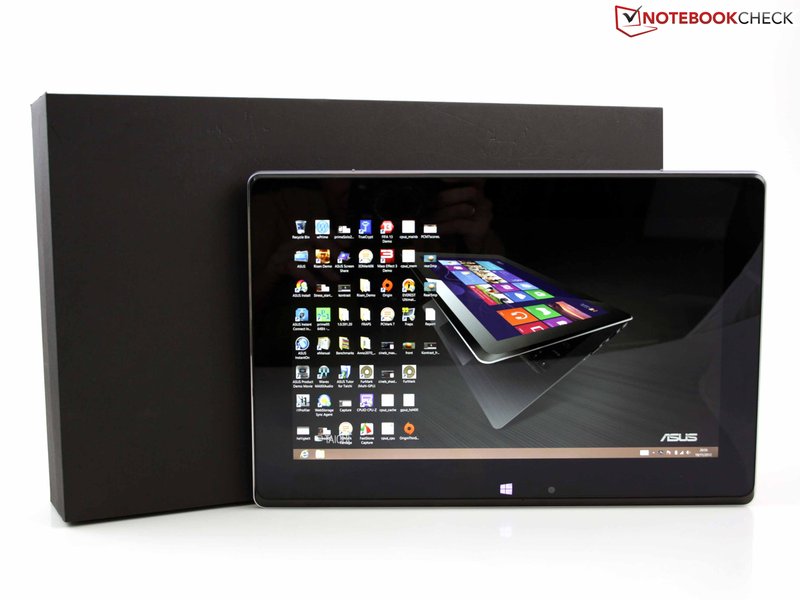 Notebook: Asus Taichi 21-DH51
Prozessor: Intel Core i5 3317U
Grafikkarte: Intel HD Graphics 4000
Bildschirm: 11.60 Zoll, 16:9, 1920 x 1080 Pixel
Gewicht: 1.3kg
Preis: 1200 Euro
Links: Asus Startseite Asus Notebooks Übersichtseite
Preisvergleich
Bewertung:
Ausländische Testberichte
Quelle: Comp Reviews
EN→DE Archive.org versionASUS certainly offers a very different approach to a convertible laptop by making one with both internal and external displays. This is actually quite useful in some situations when sharing the laptop for presentations. The big downside here is that only the external display is touch enabled and also compatible with the digitizer pen.
Einzeltest, online verfügbar, Kurz, Datum: 15.03.2013
Bewertung: Gesamt: 60%
Asus Taichi 21-CW009H
Ausstattung / Datenblatt
 Notebook: Asus Taichi 21-CW009H
Prozessor: Intel Core i7 3517U
Grafikkarte: Intel HD Graphics 4000
Bildschirm: 11.60 Zoll, 16:9, 1920 x 1080 Pixel
Gewicht: 1.25kg
Links: Asus Startseite Asus Notebooks Übersichtseite
Preisvergleich
Bewertung:
Ausländische Testberichte
Quelle: Dinside
 NO→DE Archive.org version
Einzeltest, online verfügbar, Mittel, Datum: 08.05.2013
Bewertung: Gesamt: 83%
Asus Taichi 21-CW005H
Ausstattung / Datenblatt
Notebook: Asus Taichi 21-CW005HProzessor: Intel Core i5 3317U
Grafikkarte: Intel HD Graphics 4000
Bildschirm: 11.60 Zoll, 16:9, 1920 x 1080 Pixel
Gewicht: 1.25kg
Links: Asus Startseite Asus Notebooks Übersichtseite
Preisvergleich
Ausländische Testberichte
Quelle: Laptop.bg
 BU→DE Archive.org version
Positive: Powerful and clear sound system; wide viewing angles of the display; stylish and sleek design.
Einzeltest, online verfügbar, Kurz, Datum: 13.03.2014
Kommentar
Asus: ASUSTeK Computer Inc. ist ein großer taiwanesischer Hersteller von Computer-Hardware mit Sitz in Taipeh, gegründet 1989. Unter dem Markennamen Asus fertigt das Unternehmen eine breite Palette von Produkten, darunter Laptops, Desktops, Motherboards, Grafikkarten, Monitore, Smartphones und Netzwerkgeräte, Komplettsysteme und PC-Bauteile für Endkunden.
Unter dem Markennamen ROG (Republic of Gamers) stellt ASUS Gaming-Laptops her, die bei Spielern für ihre leistungsstarken Spezifikationen, dedizierten Grafikkarten, Displays mit hoher Bildwiederholrate und fortschrittlichen Kühlsystemen bekannt sind.
Über das Gaming hinaus werden eine breite Palette von Notebooks für unterschiedliche Anforderungen und Budgets geboten: von ultraschlanken und leichten Ultrabooks bis hin zu vielseitigen 2-in-1-Convertibles und budgetfreundlichen Optionen. 2023 hatte Asus einen Weltmarktanteil von 7% am PC-Markts.
Die Kundenzufriedenheit mit ASUS-Notebooks betrifft Leistung, die Funktionen und das gute Preis-Leistungs-Verhältnis der ASUS-Notebooks. Wie bei jeder Marke gibt es jedoch gelegentlich Berichte über Probleme wie Überhitzung, Treiberkompatibilität oder Probleme mit der Verarbeitungsqualität.
Einige nicht anspruchsvolle aktuelle Spiele können mit geringen Details noch flüssig gespielt werden. Für Office und Video natürlich ausreichende Leistungsreserven.
Intel HD Graphics 4000: In Ivy Bridge Prozessoren (3. Generation Core) integrierte Grafikkarte in höchster Ausbaustufe. Je nach Prozessor (ULV bis Desktop Quad-Core) unterschiedlich getaktet.
» Weitere Informationen gibt es in unserem Notebook-Grafikkartenvergleich und der Benchmarkliste.
Intel Core i7:
3517U:
Stromspar-Doppelkernprozessor mit nur 1.9 GHz Basisfrequenz aber einem Turbo bis zu 3.0 GHz (bei ausreichender Kühlung). Integriert die Intel HD Graphics 4000 (jedoch nur mit 350 - 1150 MHz Taktung) und einen DDR3-1600 Speicherkontroller.
Intel Core i5:
3317U:
Stromspar-Doppelkernprozessor mit nur 1.7 GHz Basisfrequenz aber einem Turbo bis zu 2.6 GHz (bei ausreichender Kühlung). Integriert die Intel HD Graphics 4000 (jedoch nur mit 350 - 1050 MHz Taktung) und einen DDR3-1600 Speicherkontroller.
» Weitere Infos gibt es in unserem Prozessorvergleich Vergleich mobiler Prozessoren und der Prozessoren Benchmarkliste .
» Prüfen Sie in unserer DPI Liste, welche Displays wie fein aufgelöst sind.
1.25 kg:
Most smartphones and only a few tablets fall into this weight category. Only a few smartphones are heavier and should rather be considered tablets.
1.3 kg:
70.29%: Diese Bewertung ist schlecht. Locker drei Viertel der Modelle werden besser beurteilt. Das ist eher keine Kaufempfehlung. Auch wenn Verbalbewertungen in diesem Bereich gar nicht so schlecht klingen ("genügend" oder "befriedigend"), meist sind es Euphemismen, die eine Klassifikation als unterdurchschnittliches Notebook verschleiern.
» Lesen Sie auch unsere Notebook-Kaufberatung.