

 English
 Español
 Français
 Italiano
 Nederlands
 Polski
 Português
 Русский
 Türkçe
 Svenska
 Chinese
 Magyar
Asus Taichi 21-DH71
Ausstattung / Datenblatt
Preisvergleich
Durchschnitt von 6 Bewertungen (aus 7 Tests)
Testberichte für das Asus Taichi 21-DH71
Quelle: IT Reviews
 EN→DE Archive.org version
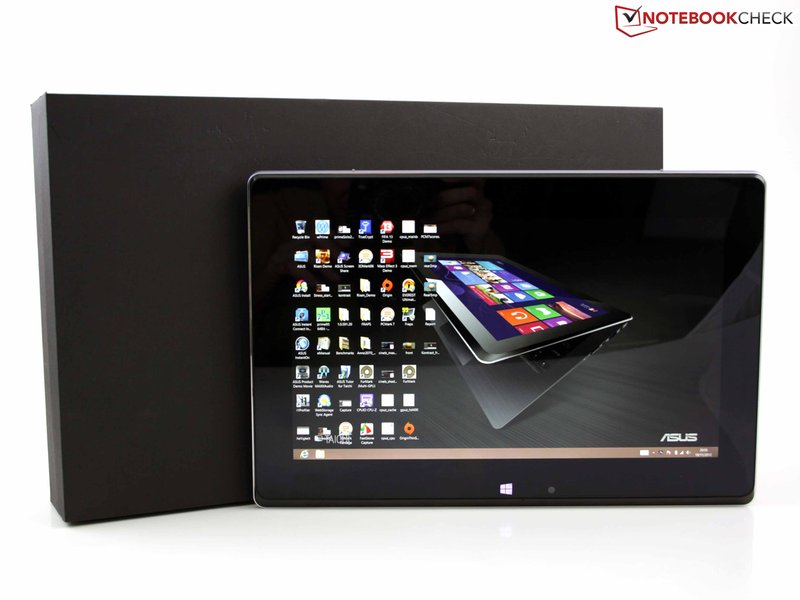
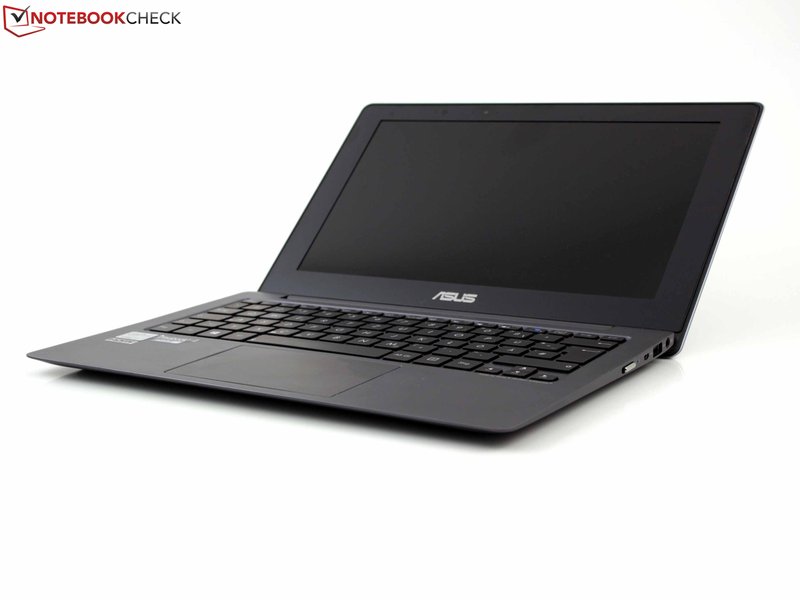
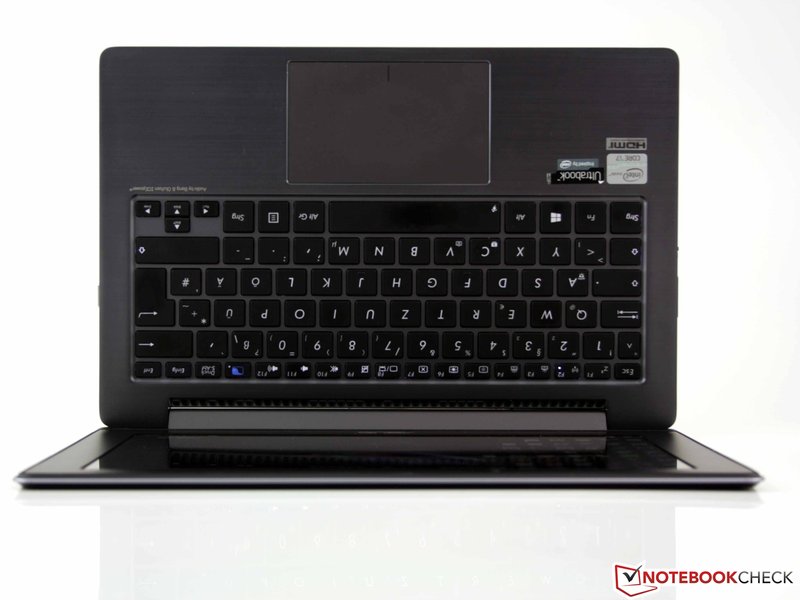
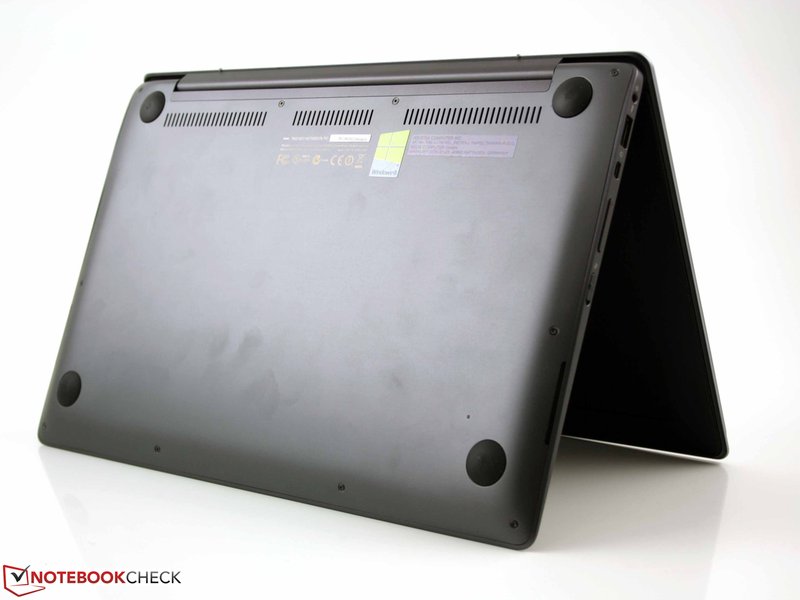
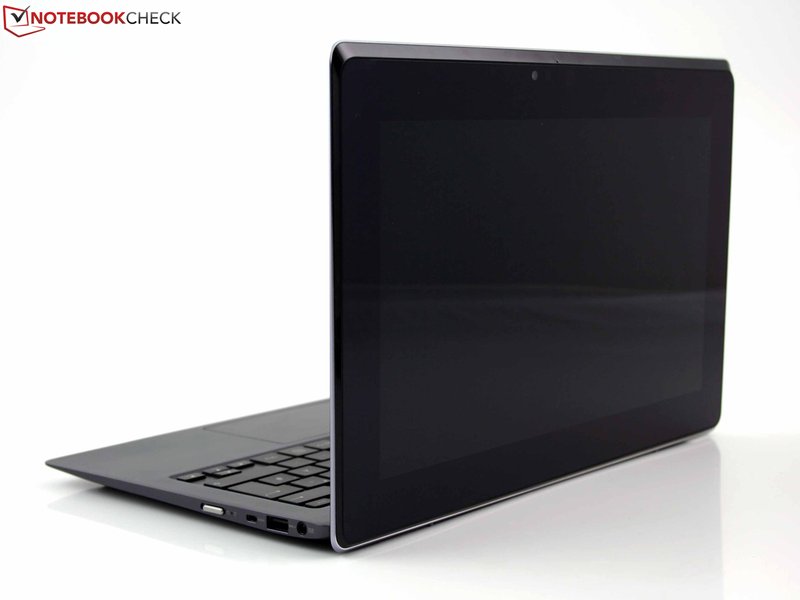
The Asus Taichi 21 offers a unique dual-display design, but the end result is a good ultrabook combined with a middling tablet, at a fairly high price. Ultimately, the Asus Taichi 21 (Taichi 21-DH71) is a decent ultrabook, with an innovative design that may not have broad appeal. That’s a shame because the glass-backed lid looks great, and the Zenbook-like design of the laptop echoes Asus’s best systems.
Einzeltest, online verfügbar, Mittel, Datum: 01.02.2013
Bewertung: Gesamt: 60%
Quelle: PC Mag
EN→DE Archive.org versionUltimately, the Asus Taichi 21 (Taichi 21-DH71) is a decent ultrabook, with an innovative design that may not have broad appeal. That's a shame because the glass-backed lid looks great, and the Zenbook-like design of the laptop echoes Asus's best systems. Unfortunately, in this period of dual-device confusion, the attitude of "let's throw something at the touch screen and see what sticks" puts the Taichi 21 in the unenviable position of being a good ultrabook and a mediocre tablet, and not everyone will appreciate the combination of the two as a dual-display device. Despite the two-screened awkwardness, short battery life, and premium price, I'll gladly give Asus props for taking an innovative stab at today's odd design problems. For a better convertible ultrabook, however, consider either the Dell XPS 12 or the Lenovo IdeaPad Yoga 13, and for our top pick for ultrabooks, consider the Editors' Choice Toshiba Portege Z935-P300 $999.00 at Amazon Marketplace.
Einzeltest, online verfügbar, Kurz, Datum: 30.01.2013
Bewertung: Gesamt: 70%
Quelle: CNet
EN→DE Archive.org versionThe Asus Taichi 21 is fun, inventive, and a great conversation starter. It's also likely more clever than practical for many, and has a bit of a novelty feel -- but that's true of many of the new breed of Windows 8 laptop/tablet hybrids, as PC makers struggle to find forms that will appeal to consumers. The marketplace will ultimately decide which designs move forward.
Einzeltest, online verfügbar, Mittel, Datum: 29.01.2013
Bewertung: Gesamt: 75% Leistung: 80% Mobilität: 70%
Quelle: Digital Trends
EN→DE Archive.org versionOh Asus, you tried so hard to impress us with the Taichi 21 – and it worked … at first. The idea behind this hybrid is cool and different, and we want to like it. We wish the battery life was a little longer, the bottom was less toasty, and the Taichi had some apps that make the two screens less of a novelty and more of a must-have feature. Alas, that is not the case, and we’re genuinely sad to say so.
Einzeltest, online verfügbar, Lang, Datum: 29.01.2013
Bewertung: Gesamt: 55%
Quelle: Inside HW
EN→DE Archive.org versionAs a finished product, Taichi is a huge step ahead for the market, especially since most other manufacturers have stopped at the drawing board for now. Disregarding its few minor drawbacks, Taichi 21 has definitely ploughed no man’s land, with ASUS starting a new chapter in the IT industry yet again.
Einzeltest, online verfügbar, Lang, Datum: 26.01.2013
Quelle: Laptop Mag
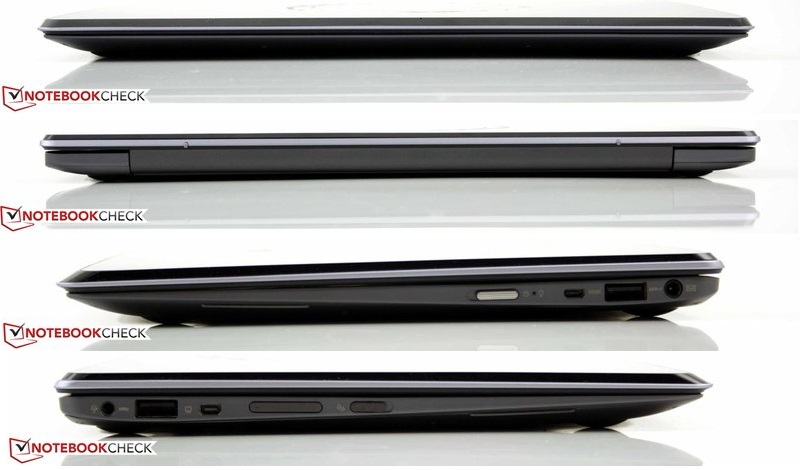
EN→DE Archive.org versionASUS' Taichi 21 offers an innovative dual-screen design in a lightweight chassis along with impressive sound. Not only is it easy to change from notebook to tablet mode, you can use the external screen for giving presentations. And while there's nowhere to put the pen on the system, we appreciate that the Taichi supports pen input. Unfortunately, its short battery life makes the $1,599 price tough to justify.
Einzeltest, online verfügbar, Lang, Datum: 25.01.2013
Bewertung: Gesamt: 50%
Quelle: Mobile Tech Review
EN→DE Archive.org versionAfter the June announcement's shock and awe wore off, the Asus Taichi seemed flashy rather than brilliant. After all, few of us really have use for two displays and those displays add weight and reduce durability (the lid is a piece of glass). Sure, it's novel and allows us to stick with the comfort of a traditional notebook hinge and form factor, but is it worth the $100 premium over single display models?
Einzeltest, online verfügbar, Lang, Datum: 24.01.2013
Bewertung: Gesamt: 75%
Kommentar
Intel HD Graphics 4000: In Ivy Bridge Prozessoren (3. Generation Core) integrierte Grafikkarte in höchster Ausbaustufe. Je nach Prozessor (ULV bis Desktop Quad-Core) unterschiedlich getaktet.
Einige nicht anspruchsvolle aktuelle Spiele können mit geringen Details noch flüssig gespielt werden. Für Office und Video natürlich ausreichende Leistungsreserven.
» Weitere Informationen gibt es in unserem Notebook-Grafikkartenvergleich und der Benchmarkliste.
3517U:
Stromspar-Doppelkernprozessor mit nur 1.9 GHz Basisfrequenz aber einem Turbo bis zu 3.0 GHz (bei ausreichender Kühlung). Integriert die Intel HD Graphics 4000 (jedoch nur mit 350 - 1150 MHz Taktung) und einen DDR3-1600 Speicherkontroller.
» Weitere Infos gibt es in unserem Prozessorvergleich Vergleich mobiler Prozessoren und der Prozessoren Benchmarkliste .
11.60": Dies ist ein Standardanzeigeformat für Tablet-Computer oder kleine Convertibles. Man sieht mehr auf diesem Bildschirm als auf einem kleinen Smartphone. Große Auflösungen darf man aber nicht erwarten. Auf der anderen Seite ist die Mobilität kein Problem.» Prüfen Sie in unserer DPI Liste, welche Displays wie fein aufgelöst sind.
1.3 kg:
Subnotebooks, Convertibles und ein paar Tablets finden sich in diesem Gewichtsbereich.
Asus: ASUSTeK Computer Inc. ist ein großer taiwanesischer Hersteller von Computer-Hardware mit Sitz in Taipeh, gegründet 1989. Unter dem Markennamen Asus fertigt das Unternehmen eine breite Palette von Produkten, darunter Laptops, Desktops, Motherboards, Grafikkarten, Monitore, Smartphones und Netzwerkgeräte, Komplettsysteme und PC-Bauteile für Endkunden.
Unter dem Markennamen ROG (Republic of Gamers) stellt ASUS Gaming-Laptops her, die bei Spielern für ihre leistungsstarken Spezifikationen, dedizierten Grafikkarten, Displays mit hoher Bildwiederholrate und fortschrittlichen Kühlsystemen bekannt sind.
Über das Gaming hinaus werden eine breite Palette von Notebooks für unterschiedliche Anforderungen und Budgets geboten: von ultraschlanken und leichten Ultrabooks bis hin zu vielseitigen 2-in-1-Convertibles und budgetfreundlichen Optionen. 2023 hatte Asus einen Weltmarktanteil von 7% am PC-Markts.
Die Kundenzufriedenheit mit ASUS-Notebooks betrifft Leistung, die Funktionen und das gute Preis-Leistungs-Verhältnis der ASUS-Notebooks. Wie bei jeder Marke gibt es jedoch gelegentlich Berichte über Probleme wie Überhitzung, Treiberkompatibilität oder Probleme mit der Verarbeitungsqualität.
64.17%: Eine so schlechte Bewertung ist selten. Es gibt nur wenige Notebooks, die noch schlechter beurteilt wurden. Die urteilenden Websites geben hier keine Kaufempfehlung ab.
» Lesen Sie auch unsere Notebook-Kaufberatung.