

 English
 Español
 Français
 Italiano
 Nederlands
 Polski
 Português
 Русский
 Türkçe
 Svenska
 Chinese
 Magyar
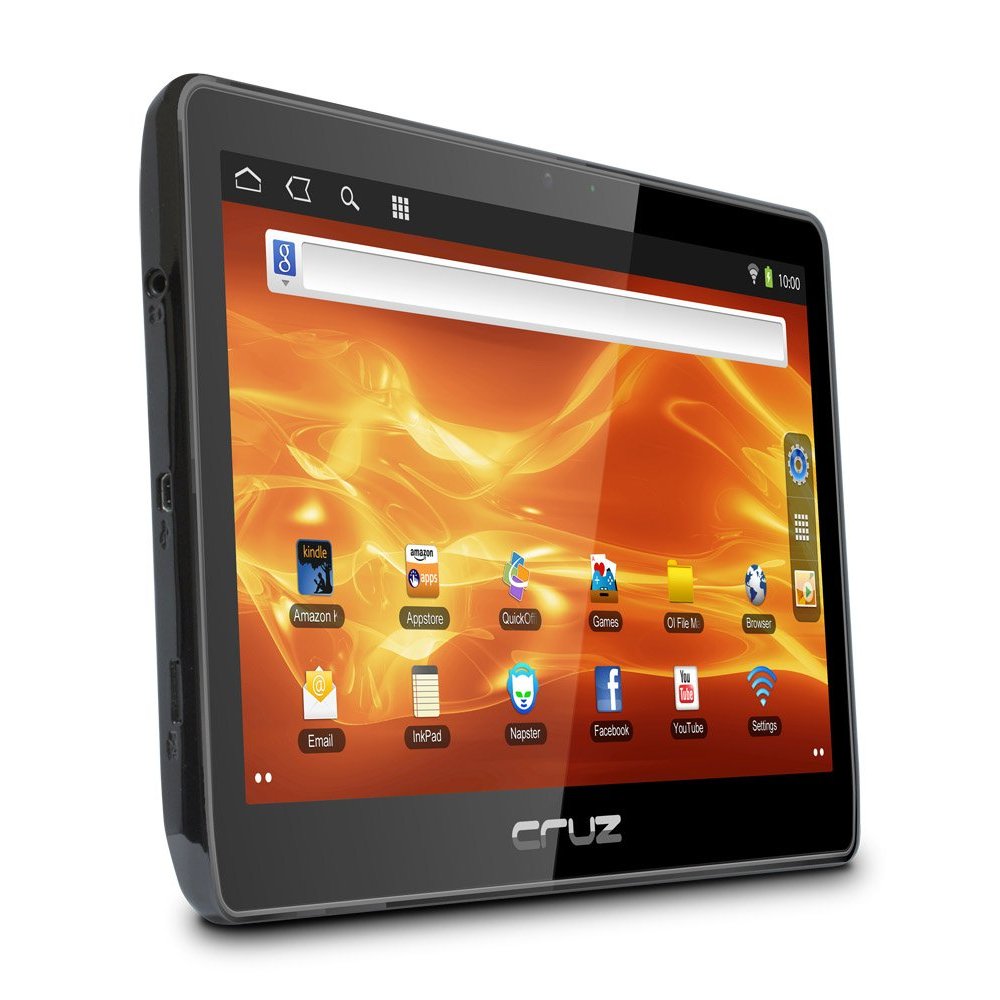
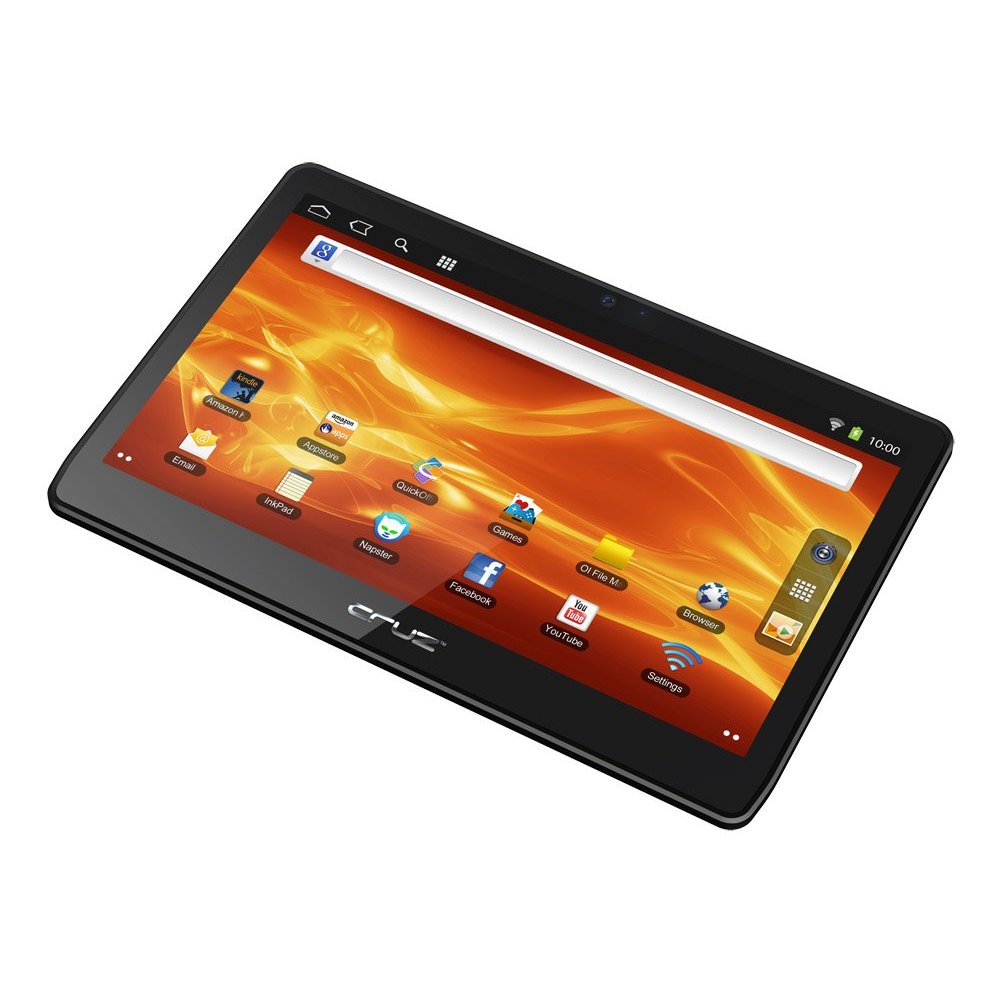
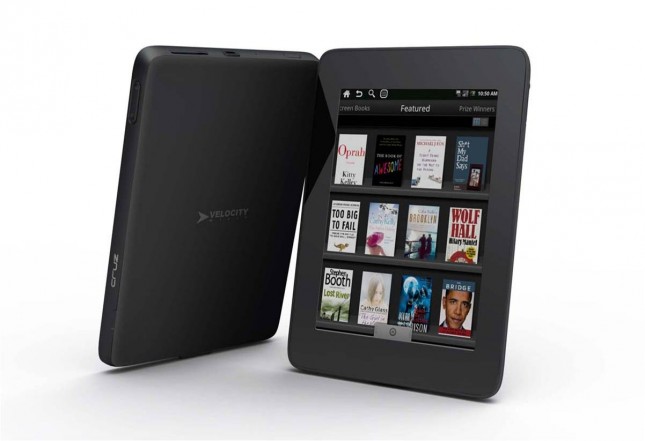
Velocity Micro Cruz Tablet Serie
 Prozessor: Cortex A8
Grafikkarte: unknown
Bildschirm: 8.00 Zoll, 10.00 Zoll
Gewicht: 0.5kg
Preis: 200, 300 Euro
Durchschnitt von 1 Bewertungen (aus 5 Tests)
Velocity Micro Cruz T408
Ausstattung / Datenblatt
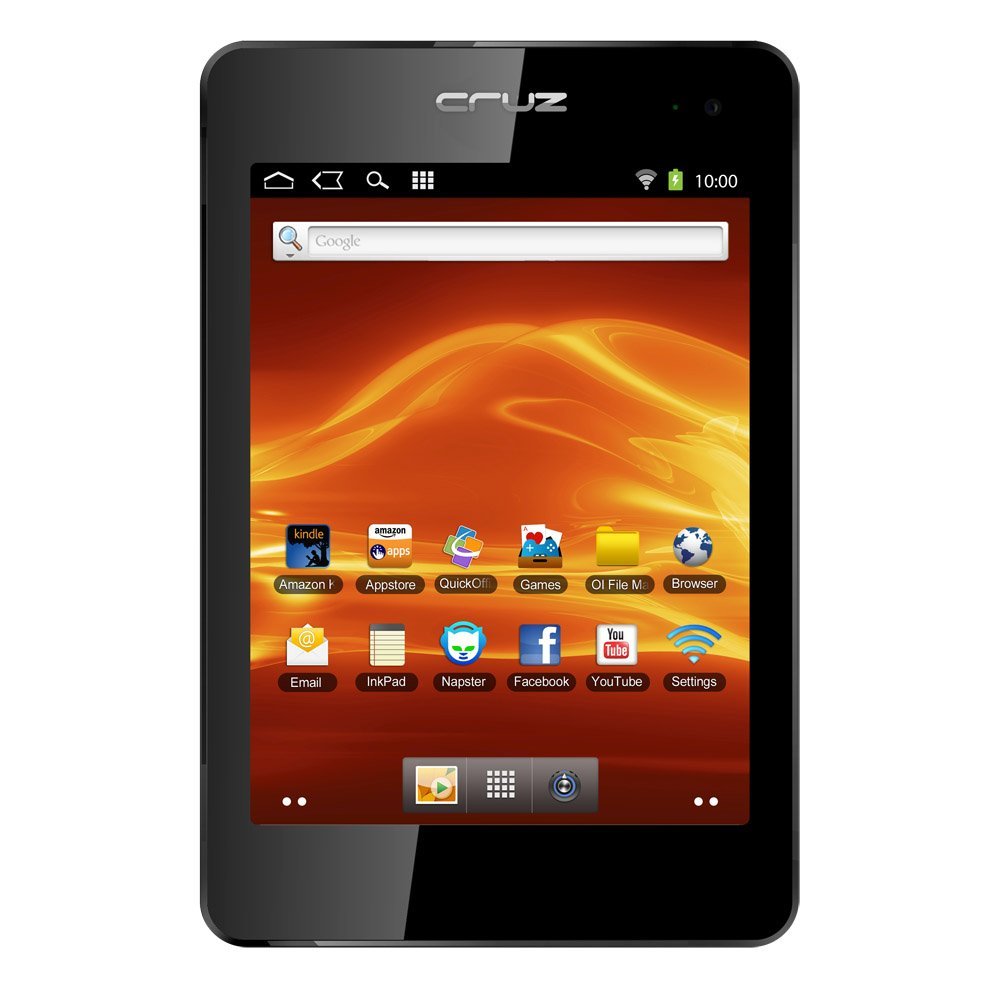 Notebook: Velocity Micro Cruz T408
Prozessor: Cortex A8
Grafikkarte: unknown
Bildschirm: 8.00 Zoll, 4:3, 800 x 600 Pixel
Gewicht: 0.5kg
Preis: 200 Euro
Wird verkauft in der Region: Anglo-America
Links: Velocity Micro Startseite Cruz Tablet (Serie) Cruz T408 (Modell)
Preisvergleich
Bewertung:
Ausländische Testberichte
Quelle: Liliputing
 EN→DE Archive.org version
But unless you really want a more standard Android user interface than the Kindle will provide, with a home screen and support for widgets, I can’t think of a lot of reasons why you would spend $200 on the Cruz T408 instead of the Kindle Fire which will have a faster processor and higher quality display. The Velocity Micro Cruz T408 is a good budget Android tablet. I’m just not sure it’s a good enough budget Android tablet.
Einzeltest, online verfügbar, Lang, Datum: 29.10.2011
Quelle: PC Mag
EN→DE Archive.org versionIf you're looking for a $199 tablet, it's worth waiting to see if the Amazon Kindle Fire, with its far superior screen, fits your bill. Otherwise, the HTC Flyer ($299.99 street, 3.5 stars) runs a fully Google-approved version of Android with some sexy HTC extensions, but even that is still using an OS designed for smaller phone screens. Our current pick for small tablets is the Acer Iconia Tab A100 ($329, 4 stars), which has a better screen, processor, and OS for a much more satisfying experience. It isn't as cheap, but you get a lot more for your money. The investment is worth it.
Einzeltest, online verfügbar, Sehr kurz, Datum: 18.10.2011
Bewertung: Gesamt: 50%
Quelle: Wired Magazine
EN→DE Archive.org versionIt adds up to, well, nothing very impressive. But fortunately the Cruz has a major ace in its sleeve in the form of pricing that can undercut its competition by half. If price is your primary concern, it may be worth a look. But then again, if you’re that broke you probably shouldn’t be buying a tablet in the first place.
Vergleich, online verfügbar, Sehr kurz, Datum: 13.10.2011
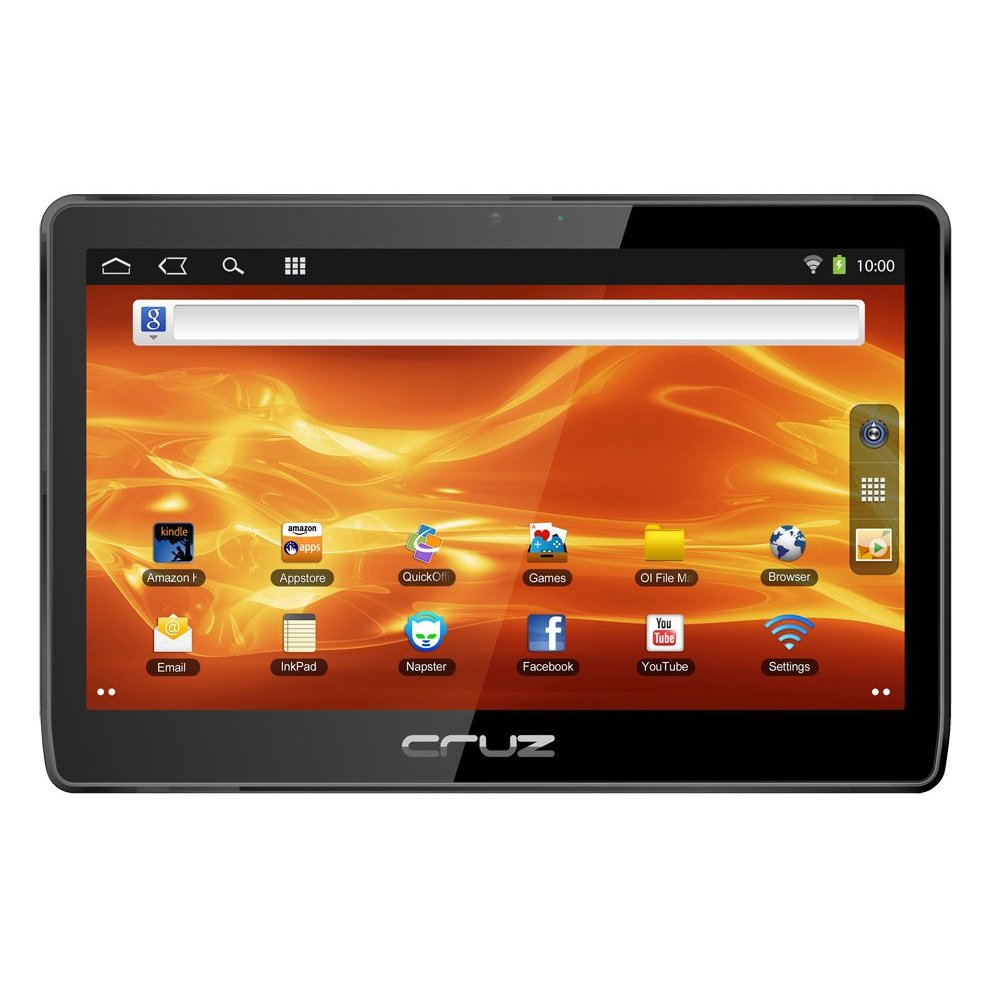
Velocity Micro Cruz T410
Ausstattung / Datenblatt
Notebook: Velocity Micro Cruz T410Prozessor: Cortex A8
Grafikkarte: unknown
Bildschirm: 10.00 Zoll, 16:10, 1024 x 600 Pixel
Gewicht: 0.5kg
Preis: 300 Euro
Wird verkauft in der Region: Anglo-America
Links: Velocity Micro Startseite Cruz Tablet (Serie) Cruz T410 (Modell)
Preisvergleich
Ausländische Testberichte
Quelle: Liliputing
EN→DE Archive.org versionThe Velocity Micro Cruz T410 is a 10 inch tablet that features nearly identical specifications to the T408. The main difference is the tablet’s larger, higer resolution display and higher price tag. The Cruz T410 costs $300 while its smaller sibling is just $200.
Einzeltest, online verfügbar, Mittel, Datum: 13.11.2011
Quelle: Wired Magazine
EN→DE Archive.org versionIt adds up to, well, nothing very impressive. But fortunately the Cruz has a major ace in its sleeve in the form of pricing that can undercut its competition by half. If price is your primary concern, it may be worth a look. But then again, if you’re that broke you probably shouldn’t be buying a tablet in the first place.
Vergleich, online verfügbar, Sehr kurz, Datum: 13.10.2011
Kommentar
Velocity Micro: US-Amerikanischer Hersteller mit lediglich regionaler Bedeutung, der sich auf gaming Computer spezialisiert hat.
3D Spiele sind auf diesen Vertretern nur in Ausnahmen spielbar, grundsätzlich sind die Grafiklösungen hierfür jedoch nicht geeignet. Office Programme und Internet surfen dürfte jedoch ohne Problem möglich sein.
unknown:
» Weitere Informationen gibt es in unserem Notebook-Grafikkartenvergleich und der Benchmarkliste.
:
» Weitere Infos gibt es in unserem Prozessorvergleich Vergleich mobiler Prozessoren und der Prozessoren Benchmarkliste .
8.00: Bei dieser Display-Größe stehen große Smartphones und ein paar kleine Tablets zur Verfügung. Anders als bei den meisten Smartphones sieht man mehr am Bildschirm, mehr Details und kann größere Auflösungen nutzen. Für fehlsichtige Menschen sind solche Formate besser. In der Hosentasche sind solche Geräte aber nicht mehr leicht unterzubringen und ganz leicht sind sie wohl auch nicht.
10.00: Dies ist ein Standardanzeigeformat für Tablet-Computer oder kleine Convertibles. Man sieht mehr auf diesem Bildschirm als auf einem kleinen Smartphone. Große Auflösungen darf man aber nicht erwarten. Auf der anderen Seite ist die Mobilität kein Problem.
» Prüfen Sie in unserer DPI Liste, welche Displays wie fein aufgelöst sind.
0.5 kg:
Most smartphones and only a few tablets fall into this weight category. Only a few smartphones are heavier and should rather be considered tablets.
0.5 kg:
50%: Diese Bewertung ist denkbar schlecht und sehr selten. Es gibt nur wenige Modelle die dermaßen schlecht beurteilt werden. Wenn die Quelle seriös ist, dann ist von einem Kauf wohl abzuraten.
» Lesen Sie auch unsere Notebook-Kaufberatung.