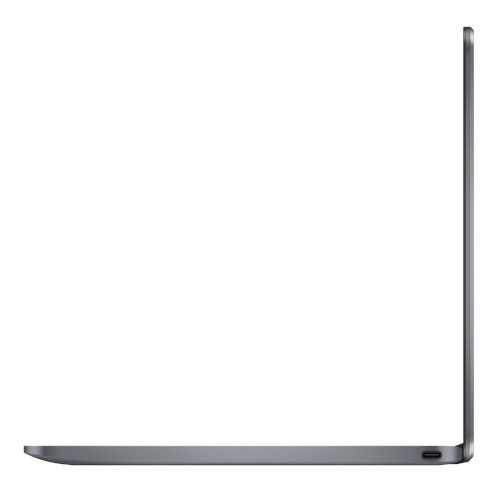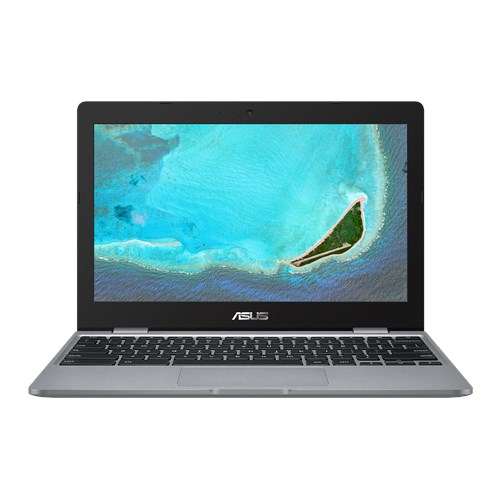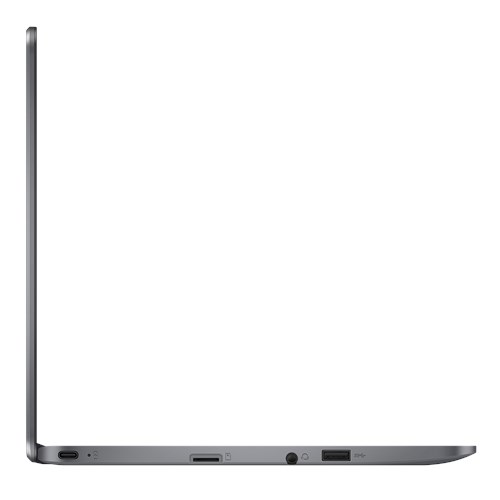




Asus Chromebook C223
Ausstattung / Datenblatt
Preisvergleich
Testberichte für das Asus Chromebook C223
Quelle: Laptop Media
 EN→DE Archive.org version
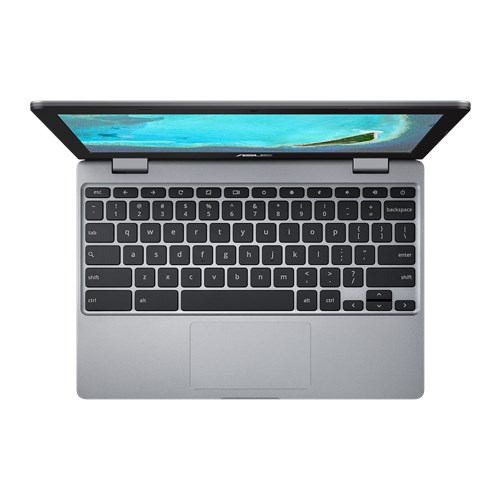
We would like to say that Chromebooks have come a long way. However, most of them didn’t. In fact, devices like the ASUS Chromebook C223 show the progress of the PC, MacBook, and smartphone industries. ASUS Chromebook C223’s display has a budget TN panel. Its viewing angles are uncomfortable, covers only half of the sRGB color space, and it uses PWM for brightness adjustment. Its only technical advantage is the quick pixel response time. Everything about this notebook speaks of its affordability. Its hardware, build quality, etc. Ultimately, the best thing about it is the keyboard, which is spill-resistant, and comfortable for typing. Also, you get a decent battery life out of the thing. On the other hand, you should keep in mind that the notebook comes with 4GB of RAM, and either 16 or 32GB of eMMC non-upgradable storage.
Einzeltest, online verfügbar, Mittel, Datum: 14.09.2021
Quelle: Chrome Unboxed
EN→DE Archive.org versionHowever, we have a couple of these devices in the office and wanted to talk about the current state of budget Chromebooks with a couple current examples from ASUS and Acer. Take a look!
Vergleich, online verfügbar, Kurz, Datum: 17.11.2018
Quelle: AndroidWorld.nl
 NL→DE Archive.org version
Positive: Compact size; light weight; nice display. Negative: Uncomfortable keyboard; low autonomy.
Einzeltest, online verfügbar, Kurz, Datum: 17.09.2018
Kommentar
Intel HD Graphics 500: Integrierte Low-End-Grafikkarte mit DirectX-12-Unterstützung, welche in einigen ULV-SoCs der Apollo-Lake-Serie zu finden ist.
Einige nicht anspruchsvolle aktuelle Spiele können mit geringen Details noch flüssig gespielt werden. Für Office und Video natürlich ausreichende Leistungsreserven.
» Weitere Informationen gibt es in unserem Notebook-Grafikkartenvergleich und der Benchmarkliste.
Celeron N3350: Sparsamer Dual-Core-SoC aus der Apollo-Lake-Serie für preiswerte Notebooks. Taktet mit 1,1 bis 2,4 GHz und integriert eine DirectX-12-fähige Grafikeinheit. Im Vergleich zu früheren Atom-Generation wurde die Pro-MHz-Leistung der CPU-Architektur signifikant gesteigert und ebenso die Grafikeinheit verbessert.» Weitere Infos gibt es in unserem Prozessorvergleich Vergleich mobiler Prozessoren und der Prozessoren Benchmarkliste .
 Als bevorzugte Quelle auf Google hinzufügen