



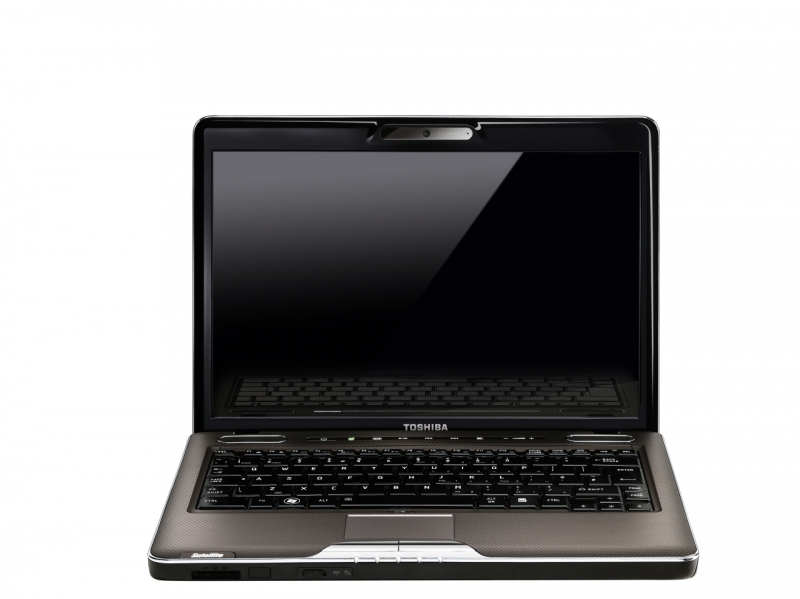
Toshiba Satellite U505-S2980
Ausstattung / Datenblatt
Preisvergleich
Durchschnitt von 2 Bewertungen (aus 2 Tests)
Testberichte für das Toshiba Satellite U505-S2980
Quelle: PC World
 EN→DE Archive.org version
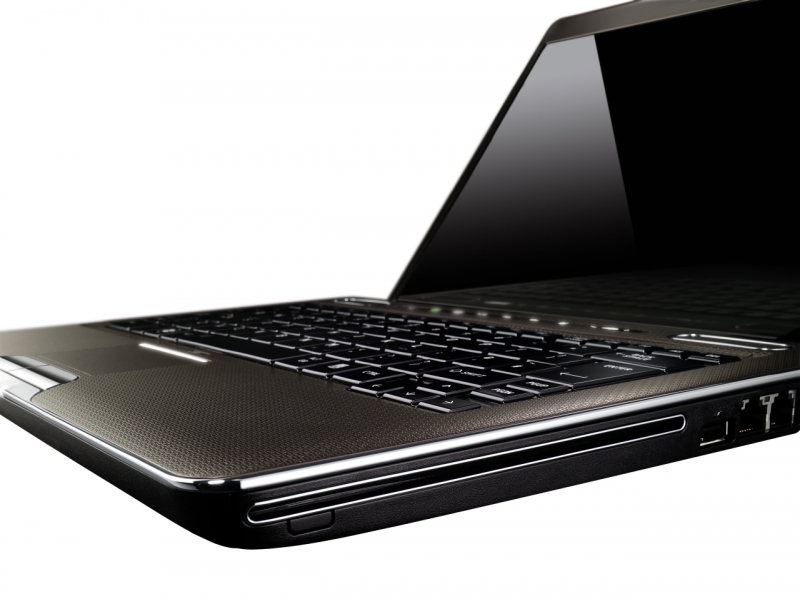
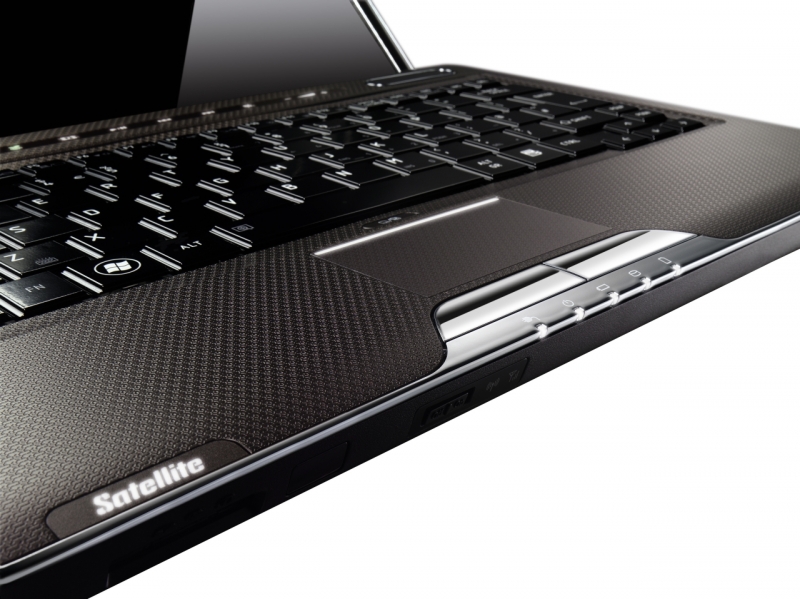
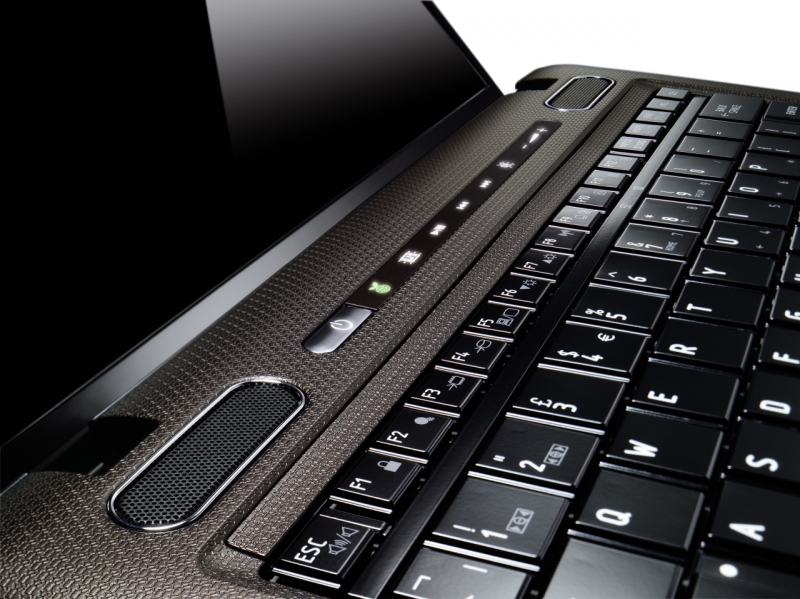
Though I find a lot to like about the U505, it's ironic that the main selling point is also what's holding this laptop back--the touchscreen. A user's experience with a notebook is often going to depend chiefly on the keyboard and the screen--the two most direct ways of interacting with it. You can fit all the hardware you want under the hood, but if these two don't hold up their end of the bargain, people aren't going to want to use it. The touchscreen is a cute gimmick whose poor visual quality unfortunately brings the whole thing down a peg.
Einzeltest, online verfügbar, Mittel, Datum: 24.11.2009
Bewertung: Gesamt: 70%
Quelle: Laptop Mag
EN→DE Archive.org versionOn the whole, the Toshiba U505-S2980-T is a pretty good Windows 7 touch notebook—and it offers a healthy dose of style along with plenty of muscle. However, at $1,049, this laptop is more expensive than a non-touchscreen version with better graphics. That’s quite a lot to pay for a feature that results in a heavier chassis and a display that’s less crisp. While it lacks a touchscreen, the redesigned unibdody MacBook, for $50 less, offers generally better performance and almost two additional hours of battery life in a sleeker design.
Einzeltest, online verfügbar, Lang, Datum: 02.11.2009
Bewertung: Gesamt: 60%
Kommentar
Intel Graphics Media Accelerator (GMA) 4500MHD: Im GM45, GS45 und GE45 Chipsatz (Montevina Plattform) integrierte shared Memory Grafikkarte von Intel. Durch höhere Taktung und mehr Shader ist sie deutlich schneller als die X3100, jedoch immer noch nicht für Spieler empfehlenswert. Kann HD-Videos (AVC/VC2/MPEG2) dekodieren und so die CPU entlasten.
Diese Karten können nur sehr alte und sehr anspruchslose 3D Spiele flüssig darstellen. Anwendungen wie Office, Internet surfen, Bildbearbeitung oder (SD) Videoschnitt sind jedoch ohne große Einschränkungen möglich.
» Weitere Informationen gibt es in unserem Notebook-Grafikkartenvergleich und der Benchmarkliste.
Intel Core 2 Duo: Core Duo Nachfolger mit längerer Pipeline und 5-20% Geschwindigkeitszuwachs bei 0.5 - 3 Watt mehr Stromverbrauch.
Der Notebook Core 2 Duo ist baugleich mit den Desktop Core 2 Duo Prozessoren, jedoch werden die Notebook-Prozessoren mit niedrigeren Spannungen und geringerem Frontsidebus Takt betrieben. Von der Leistung bleiben gleichgetaktete Notebooks deswegen (und auch wegen der langsameren Festplatten) 20-25% hinter Desktop PCs.
T6600: Einstiegs- Core 2 Duo Dual Core CPU ohne Virtualisierungsfunktionen und mit nur 2 MB Level 2 Cache. » Weitere Infos gibt es in unserem Prozessorvergleich Vergleich mobiler Prozessoren und der Prozessoren Benchmarkliste .
 Als bevorzugte Quelle auf Google hinzufügen