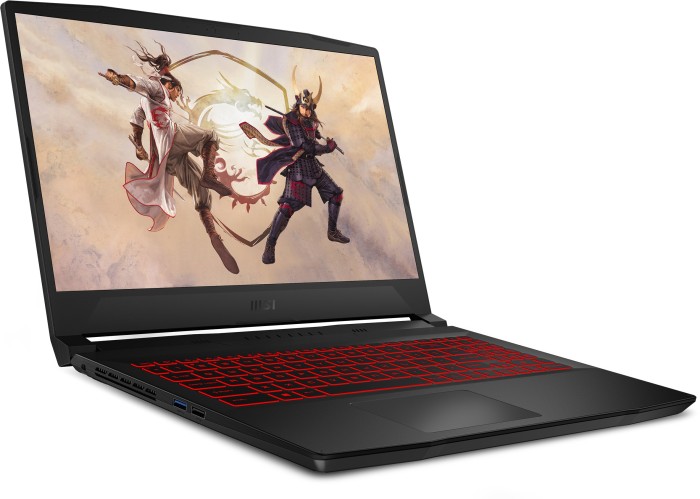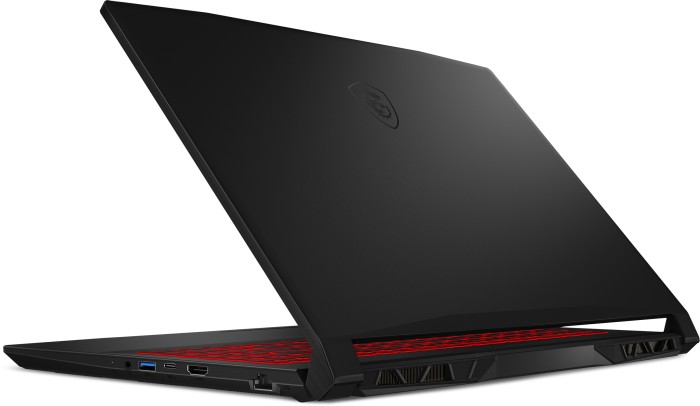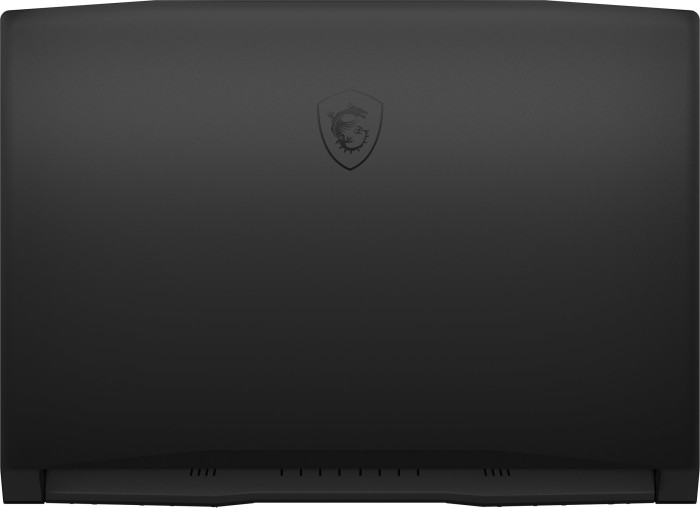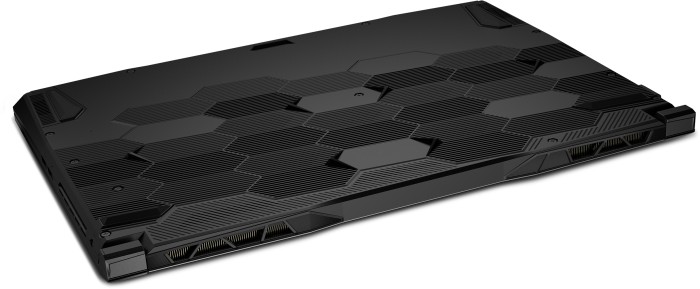




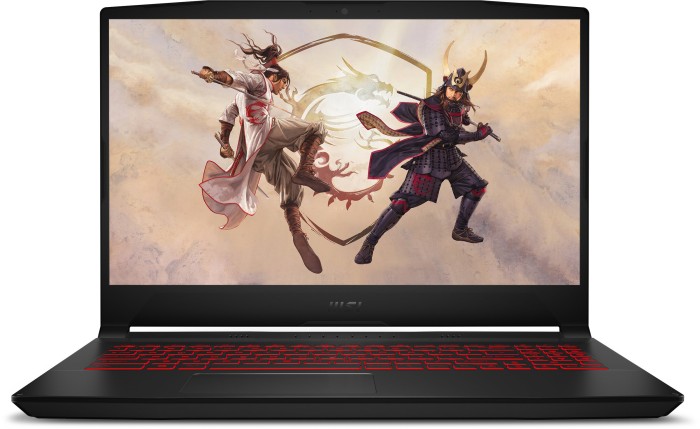
MSI Katana GF66 11UC-228
Ausstattung / Datenblatt
Preisvergleich
Testberichte für das MSI Katana GF66 11UC-228
Quelle: Unbox
 EN→DE Archive.org version
Our MSI Katana GF66 review for the Philippine market is a pretty mixed bag. On the one hand, it’s pretty competitively priced (considering the other options at the market as of press time) at a hair below Php 70K for the unit we reviewed. Its screen is fairly ok, and anyone looking for a laptop to play competitive FPS games will be happy with the fast 144Hz refresh rate. On the other hand, the RTX 3050 GPU struggles to deliver 60FPS gaming with modern titles at max graphical settings, which means you’ll have to turn down the graphics on your favorite games to get that 60FPS target. Of course, you can leverage the power of NVIDIA’s ray-tracing tech, though obviously, not all games support it.
Einzeltest, online verfügbar, Kurz, Datum: 21.06.2021
Quelle: Quotidiano Hardware Upgrade
 IT→DE Archive.org version
Positive: Powerful hardware; high gaming performance; decent display.
Einzeltest, online verfügbar, Sehr Lang, Datum: 28.09.2021
Quelle: Zing
 VN→DE Archive.org version
Positive: Simple design; solid workmanship; powerful hardware; high performance; excellent display; attractive price.
Einzeltest, online verfügbar, Mittel, Datum: 10.08.2021
Kommentar
NVIDIA GeForce RTX 3050 4GB Laptop GPU: Mobile Gaming-Grafikkarte die wahrscheinlich auf den GA107 Chip basiert. Bietet 2048 GPU Kerne und ist in verschiedenen TGP Varianten von 35 - 80 Watt erhältlich. Je nach Variante kann die Leistung deutlich variieren, da auch die Taktraten unterschiedlich ausfallen. Ältere Version mit 4 GB VRAM.
Diese Klasse ist noch durchaus fähig neueste Spiele flüssig darzustellen, nur nicht mehr mit allen Details und in hohen Auflösungen. Besonders anspruchsvolle Spiele laufen nur in minimalen Detailstufen, wodurch die grafische Qualität oft deutlich leidet. Diese Klasse ist nur noch für Gelegenheitsspieler empfehlenswert. Der Stromverbrauch von modernen Grafikkarten in dieser Klasse ist dafür geringer und erlaubt auch bessere Akkulaufzeiten.
» Weitere Informationen gibt es in unserem Notebook-Grafikkartenvergleich und der Benchmarkliste.
i7-11800H: Auf der Tiger-Lake-Architektur basierender SoC (System-on-a-Chip) für große Gaming Notebooks und mobile Workstations. Integriert unter anderem acht CPU-Kerne mit 2,3 - 4.6 GHz und HyperThreading sowie eine UHD Graphics Grafikeinheit (350 - 1450 MHz) und wird in 10-Nanometer-Technik gefertigt (10nm SuperFin). » Weitere Infos gibt es in unserem Prozessorvergleich Vergleich mobiler Prozessoren und der Prozessoren Benchmarkliste .
 Als bevorzugte Quelle auf Google hinzufügen