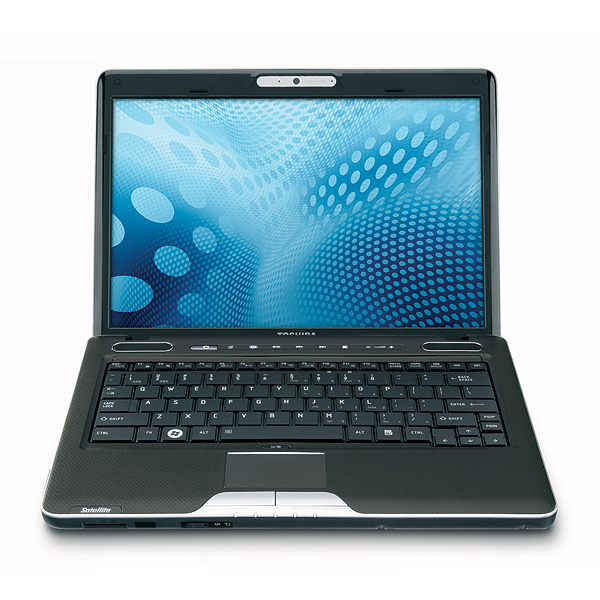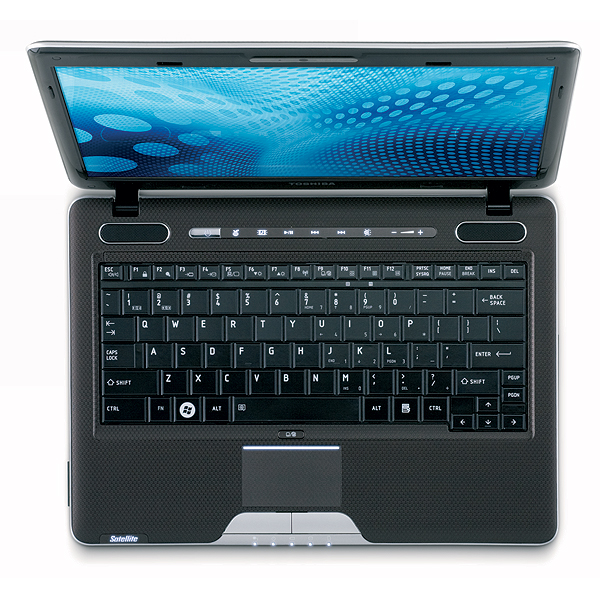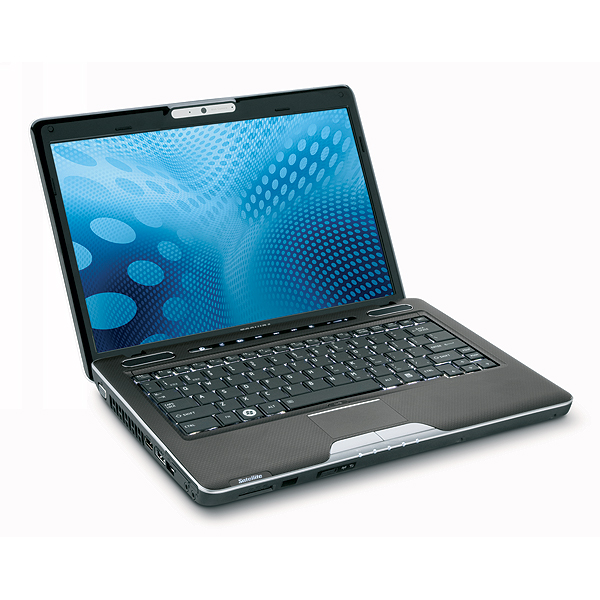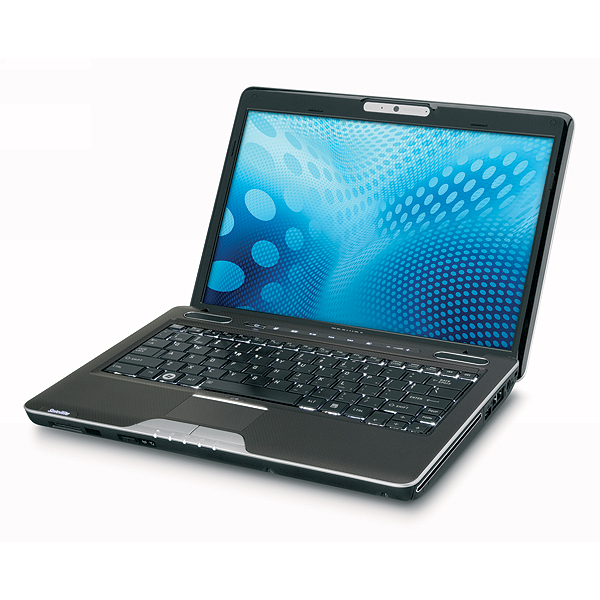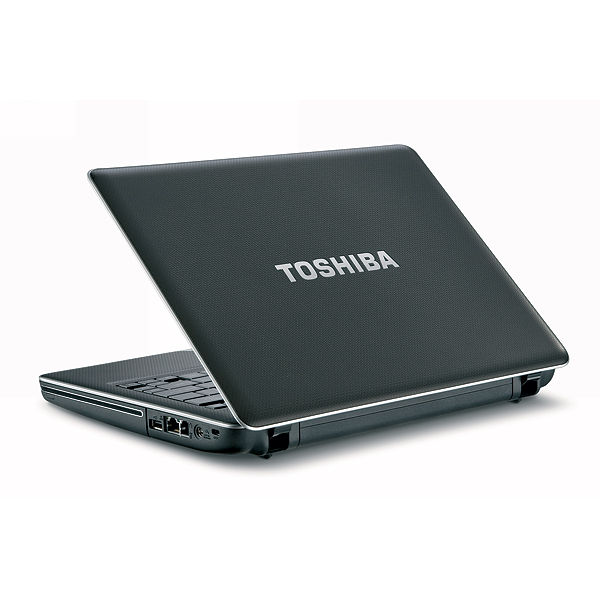




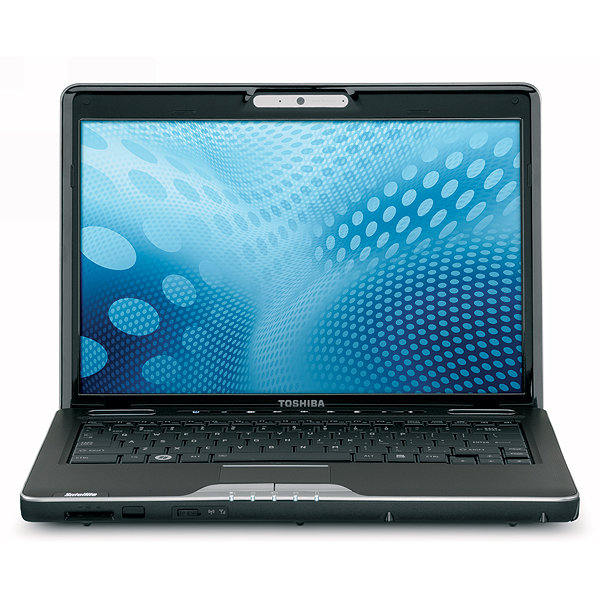
Toshiba Satellite U505-S2010
Ausstattung / Datenblatt
Preisvergleich
Durchschnitt von 2 Bewertungen (aus 2 Tests)
Testberichte für das Toshiba Satellite U505-S2010
Quelle: Digital Trends
 EN→DE Archive.org version
Toshiba’s Satellite U505 series notebooks actually manage to cram quite a bit of power into a 13.3-inch form factor, even if they do lose both some portability and battery life in the process. With models between $690 and $1,100, you’ll also find plenty of wiggle room to shed the features you don’t need – like the touch screen. While we wouldn’t recommend the specific U505 model we reviewed (S2010) because of this rather useless feature (which both drives up price and diminishes image quality), the lower-end models may satisfy those who want a 13.3-inch notebook without sacrificing the creature comforts and power of larger notebooks.
Einzeltest, online verfügbar, Mittel, Datum: 06.04.2010
Bewertung: Gesamt: 70%
Quelle: Comp Reviews
EN→DE Archive.org versionToshiba's updated Satellite U505 laptop adds a fair amount of performance thanks to the new Core i5 processor and functionality with the multitouch enabled display. The $1000 street price makes this a very affordable multitouch enabled ultraportable. The system still is one of the bulkiest on the market for a 13-inch laptop and its battery life is not that strong compared new ultraportables on the market but it does offer more performance and extra ports as a trade-off.
Einzeltest, online verfügbar, Kurz, Datum: 26.03.2010
Bewertung: Gesamt: 80%
Kommentar
Intel Graphics Media Accelerator (GMA) HD Graphics: Intel HD Graphics oder GMA HD genannte onboard Grafikkarte welche im Package der Core i3/i5/i7 Arrandale Dual-Core Prozessoren untergebracht wird. Je nach Prozessormodell maximal mit 500 bis 766 MHz getaktet (Turbo Boost). Von Lenovo anscheinend auch GMA5700MHD genannt. Die gleichgenannte Intel HD Graphics Prozessorgrafik in den Sandy Bridge Prozessoren basiert auf einer neueren Architektur.
Diese Karten können nur sehr alte und sehr anspruchslose 3D Spiele flüssig darstellen. Anwendungen wie Office, Internet surfen, Bildbearbeitung oder (SD) Videoschnitt sind jedoch ohne große Einschränkungen möglich.
» Weitere Informationen gibt es in unserem Notebook-Grafikkartenvergleich und der Benchmarkliste.
430M: Der Core i5-430M besitzt im Vergleich zum i7-640 nur 3MB L3 Cache und taktet zwischen 2.26-2.53 GHz (je nach Auslastung dank Turbo Mode). VT-d, Trusted Execution und AES Funktionen fehlen dem 430M jedoch. Durch Hyperthreading werden bis zu 4 Threads gleichzeitig bearbeitet. Im Package ist auch noch eine integrierte Grafikkarte (GMA HD mit 500-766 MHz) und ein Speichercontroller (beide noch 45nm Fertigung). Dadurch ist der gesamte TDP von 35 Watt nicht sehr hoch.» Weitere Infos gibt es in unserem Prozessorvergleich Vergleich mobiler Prozessoren und der Prozessoren Benchmarkliste .
 Als bevorzugte Quelle auf Google hinzufügen