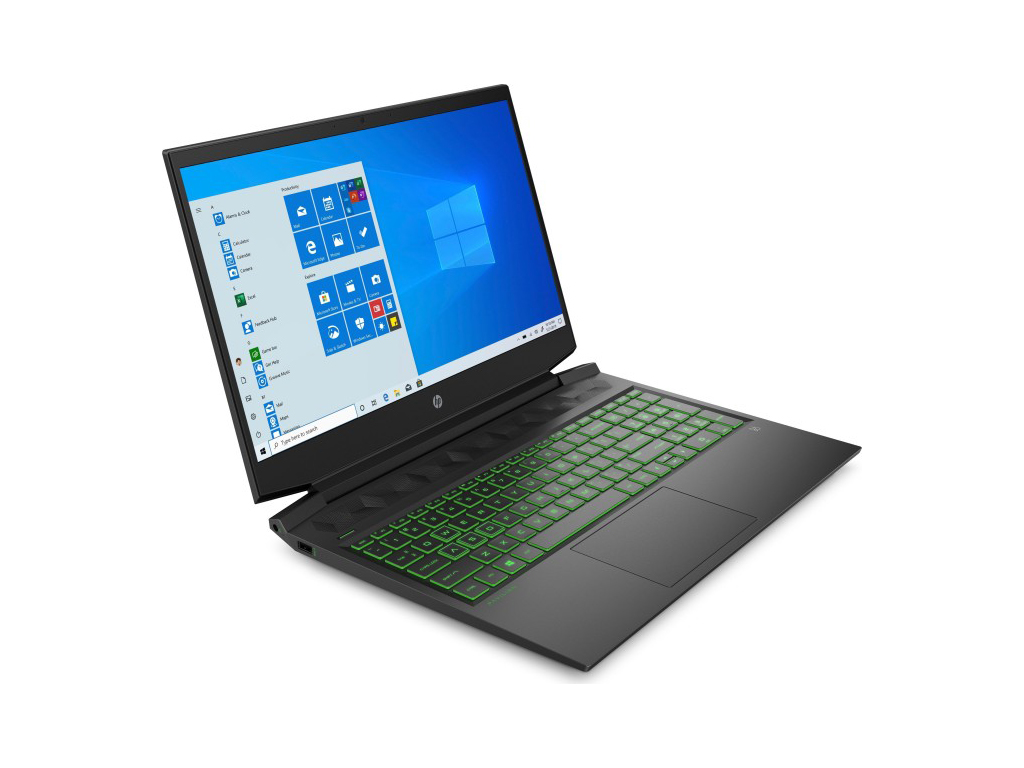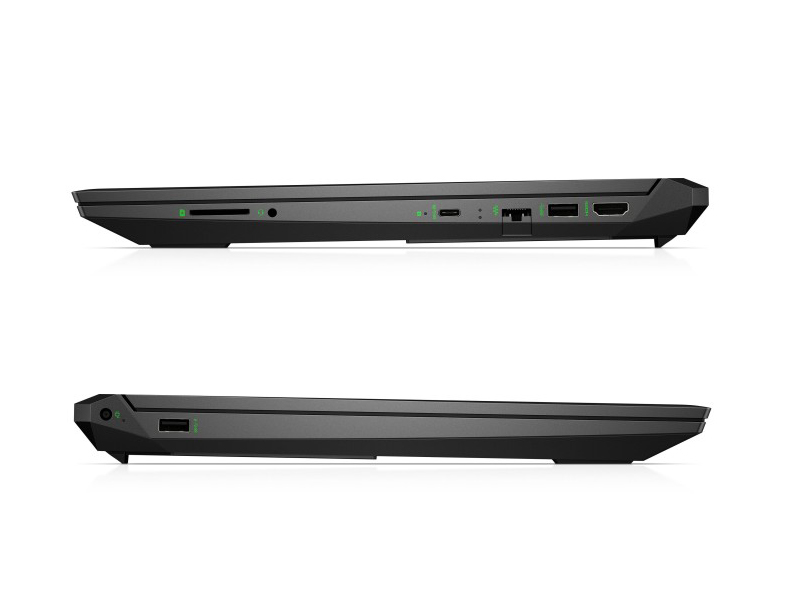




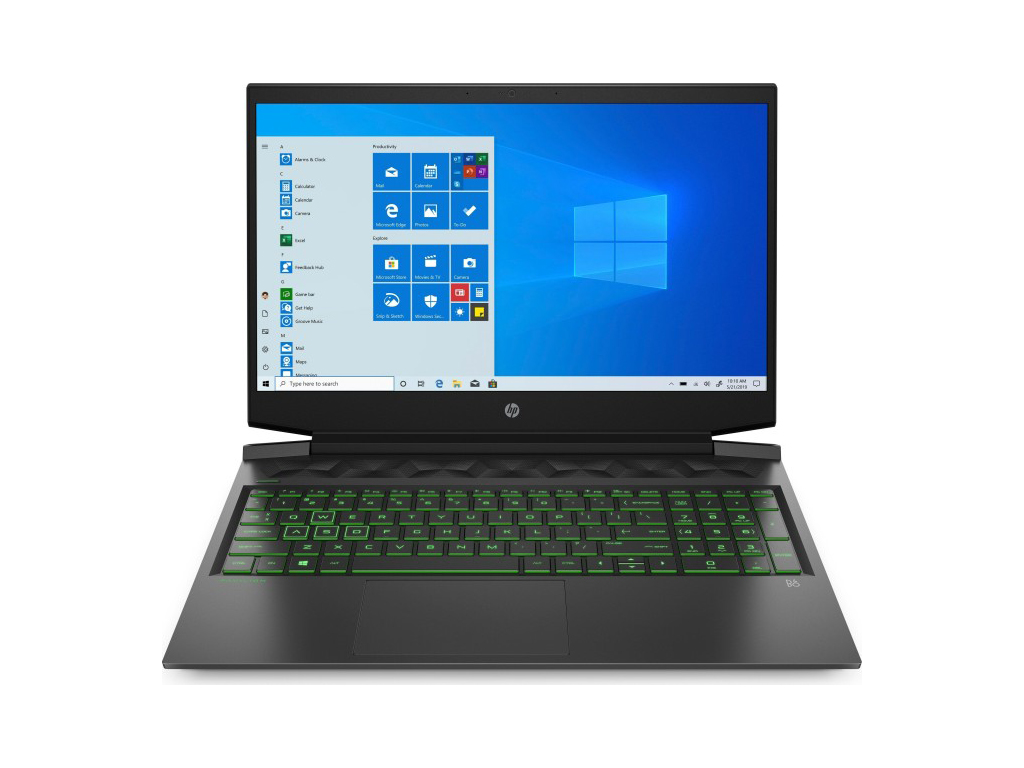
HP Pavilion Gaming 16-a0272ng
Ausstattung / Datenblatt
Preisvergleich
Durchschnitt von 1 Bewertungen (aus 4 Tests)
Testberichte für das HP Pavilion Gaming 16-a0272ng
Quelle: Laptop Media
 EN→DE Archive.org version
Let’s jump straight to the point. The main question we wanted to answer when we got this laptop was, how much of a difference would it make to get a 16-inch laptop, instead of a 15-inch one. And quite honestly, the answer is little to none. This is mainly because of the fact that the actual difference is only 0.5″. However, it would be a nice trend if manufacturers actually start making 16-inch devices, instead of the marginally smaller 15-inch ones, just because that little difference of just over a centimeter in diagonal, would enable them to implement an improved cooling solution.
Einzeltest, online verfügbar, Sehr Lang, Datum: 14.08.2020
Quelle: Laptop Media
Archive.org versionSupport, online verfügbar, Kurz, Datum: 14.08.2020
Quelle: The Indian Express
EN→DE Archive.org versionThe HP Pavilion Gaming 16 is a decent attempt at making a gaming laptop that can be used by the non-gaming crowd for work and play. But there are few things that make the 16-inch notebook far from being a perfect machine. As I pointed before, my test unit lacked a 144Hz screen; but if you are a hardcore gamer you should settle for a laptop with a high refresh rate screen. Battery life, of course, should be improved on a gaming laptop. Otherwise, the notebook is relatively light (for a gaming laptop), performance is good, the keyboard is great to type on and there are plenty of ports. And, in case, if you are so obsessed with a 144Hz screen, HP has a Pavilion Gaming 15 with a 144Hz refresh rate screen, AMD Ryzen 5, 8GB DDR4 RAM, 256GB NVMe SSD, and AMD Radeon graphics. That notebook costs only Rs 70,068. In the end, the choice is yours.
Einzeltest, online verfügbar, Mittel, Datum: 09.08.2020
Bewertung: Gesamt: 80%
Quelle: Zive
 CZ→DE Archive.org version
Positive: Big screen; great display; comfortable keyboard; good hardware; nice performance.
Einzeltest, online verfügbar, Kurz, Datum: 12.02.2021
Kommentar
NVIDIA GeForce GTX 1660 Ti Max-Q: Mid-Range Notebook-Grafikkarte basierend auf der Desktop GTX 1660 Ti mit TU116 jedoch bei 60 Watt TGP (versus 80 Watt der Laptop Version und 110 Watt der Desktop Karte). Bietet keine Raytracing und Tensor-Kerne im Gegensatz zu den stärkeren RTX 2000 Modellen. Die Leistung soll in etwa auf dem Level einer GTX 1070 Max-Q liegen.
Diese Klasse ist noch durchaus fähig neueste Spiele flüssig darzustellen, nur nicht mehr mit allen Details und in hohen Auflösungen. Besonders anspruchsvolle Spiele laufen nur in minimalen Detailstufen, wodurch die grafische Qualität oft deutlich leidet. Diese Klasse ist nur noch für Gelegenheitsspieler empfehlenswert. Der Stromverbrauch von modernen Grafikkarten in dieser Klasse ist dafür geringer und erlaubt auch bessere Akkulaufzeiten.
» Weitere Informationen gibt es in unserem Notebook-Grafikkartenvergleich und der Benchmarkliste.
i7-10750H: Auf der Comet-Lake-Architektur basierender SoC (System-on-a-Chip) für große Notebooks. Integriert unter anderem sechs CPU-Kerne mit 2,6 - 5 GHz (wahrscheinlich 4,3 GHz bei allen 6 Kernen) und HyperThreading sowie eine Grafikeinheit und wird in 14-Nanometer-Technik gefertigt.» Weitere Infos gibt es in unserem Prozessorvergleich Vergleich mobiler Prozessoren und der Prozessoren Benchmarkliste .
 Als bevorzugte Quelle auf Google hinzufügen