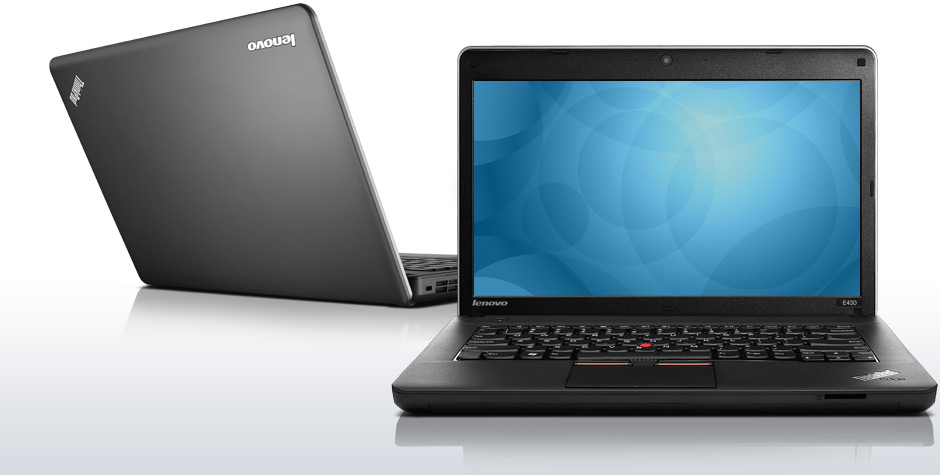




Lenovo ThinkPad Edge E430
Ausstattung / Datenblatt
Preisvergleich
Durchschnitt von 1 Bewertungen (aus 3 Tests)
Testberichte für das Lenovo ThinkPad Edge E430
Quelle: Laptop Mag
 EN→DE Archive.org version
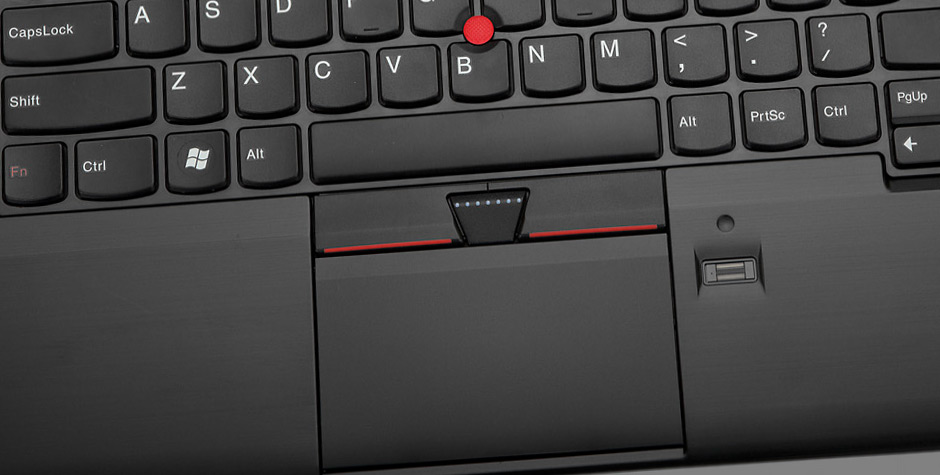
With good performance, an excellent keyboard, long battery life and top-notch speakers, the $717 Lenovo ThinkPad Edge E430 is a system that will fit well in any office. The easy-to-use fingerprint reader and helpful small business software are other pluses. However, you might want to skip the brushed aluminum lid for the soft-touch red or black option to avoid fingerprints--and save yourself $50 in the process.
Einzeltest, online verfügbar, Mittel, Datum: 27.07.2012
Bewertung: Gesamt: 80%
Quelle: Student Buying Guide
EN→DE Archive.org versionIf you’re on a budget, as many small and medium business buyers are these days, then the ThinkPad E430 with its quality build and good performance is a great buy in the mid $500 range. The E430 is small and light enough to carry around from meeting to meeting and can easily be plugged into a larger monitor via HDMI or VGA out when you’re at your desk. The design of the Edge series is a little more modern than the boxy classic ThinkPads; the curved edges, option of a colored lid and illuminated ThinkPad logo are just a few examples. That said, the E430 is still not going to really turn heads in public. Nonetheless, if you’re a practically minded person and you don’t need a flashy computer but rather one that is built well, costs a reasonable amount and gets the job done then the E430 should be on your short list to consider.
Einzeltest, online verfügbar, Mittel, Datum: 23.05.2012
Quelle: Notebook.cz
 CZ→DE Archive.org version
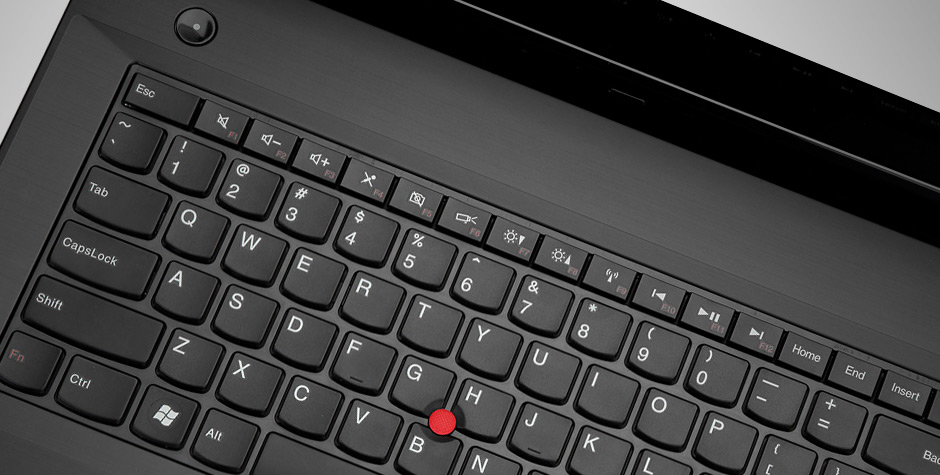
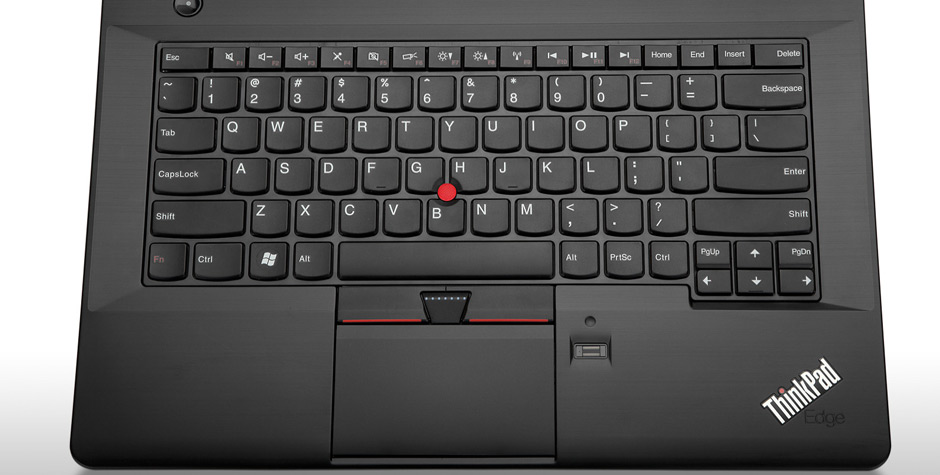
Positive: Comfortable keyboard with TrackPoint; Long battery life; Above-average sound. Negative: Shorter armrests; Intermittent problems with the touchpad.
Einzeltest, online verfügbar, Mittel, Datum: 12.06.2012
Kommentar
Intel HD Graphics 3000: In Sandy Bridge Prozessoren (Core ix-2xxx) integrierte Grafikkarte von Intel. Stärkere GT2 genannte Version mit 12 Execution Units (EUs). Je nach Modell mit unterschiedlichen Taktraten (350-650MHz) und TurboBoost Unterstützung (900-1350MHz).
Diese Karten können nur sehr alte und sehr anspruchslose 3D Spiele flüssig darstellen. Anwendungen wie Office, Internet surfen, Bildbearbeitung oder (SD) Videoschnitt sind jedoch ohne große Einschränkungen möglich.
» Weitere Informationen gibt es in unserem Notebook-Grafikkartenvergleich und der Benchmarkliste.
2350M: Auf Sandy Brige Architektur basierender Doppelkernprozessor ohne Turbo (max 2.3 GHz) mit integrierter HD Graphics 3000 Grafikkarte und integriertem DDR3 Speicherkontroller.» Weitere Infos gibt es in unserem Prozessorvergleich Vergleich mobiler Prozessoren und der Prozessoren Benchmarkliste .
 Als bevorzugte Quelle auf Google hinzufügen