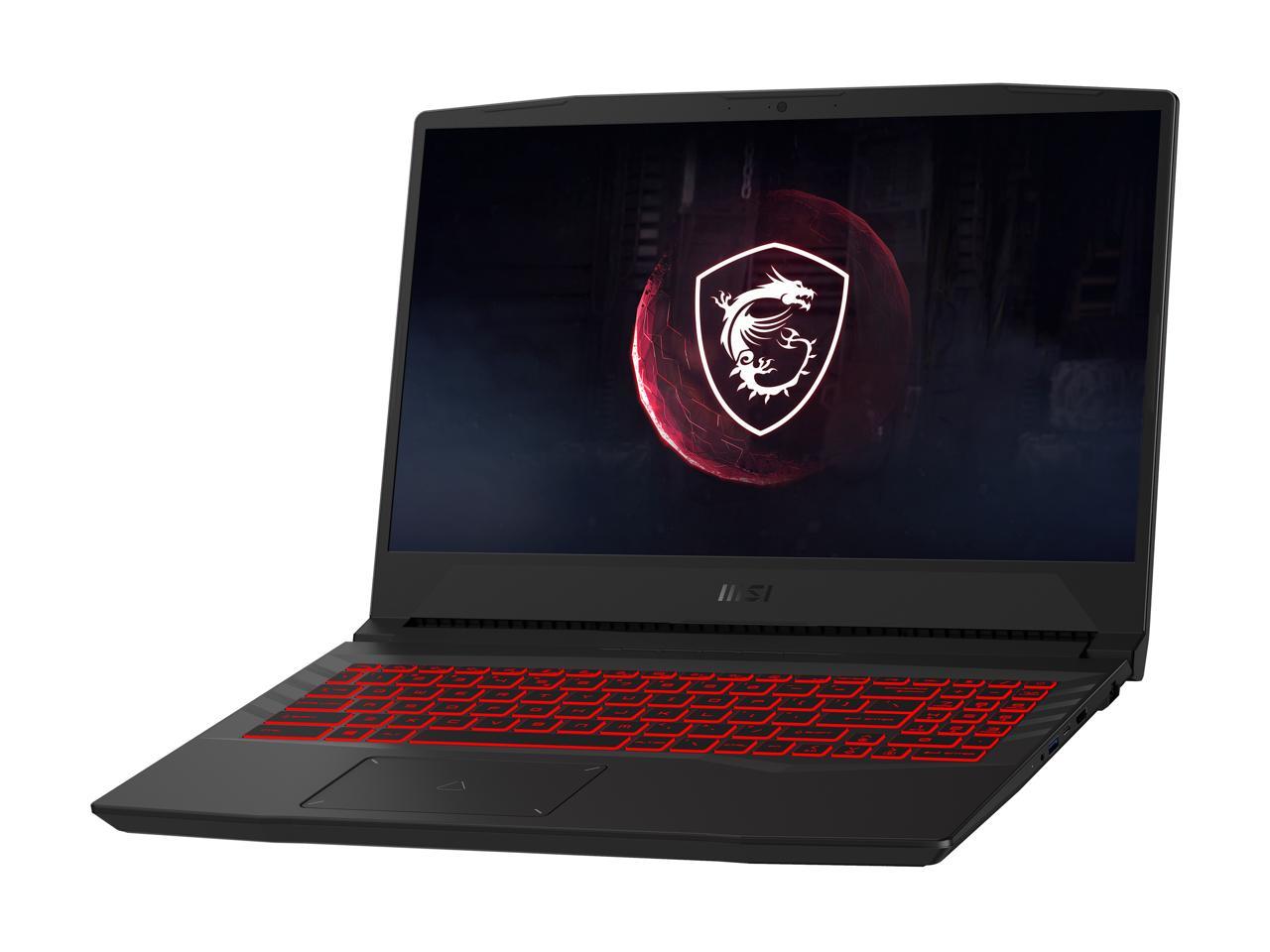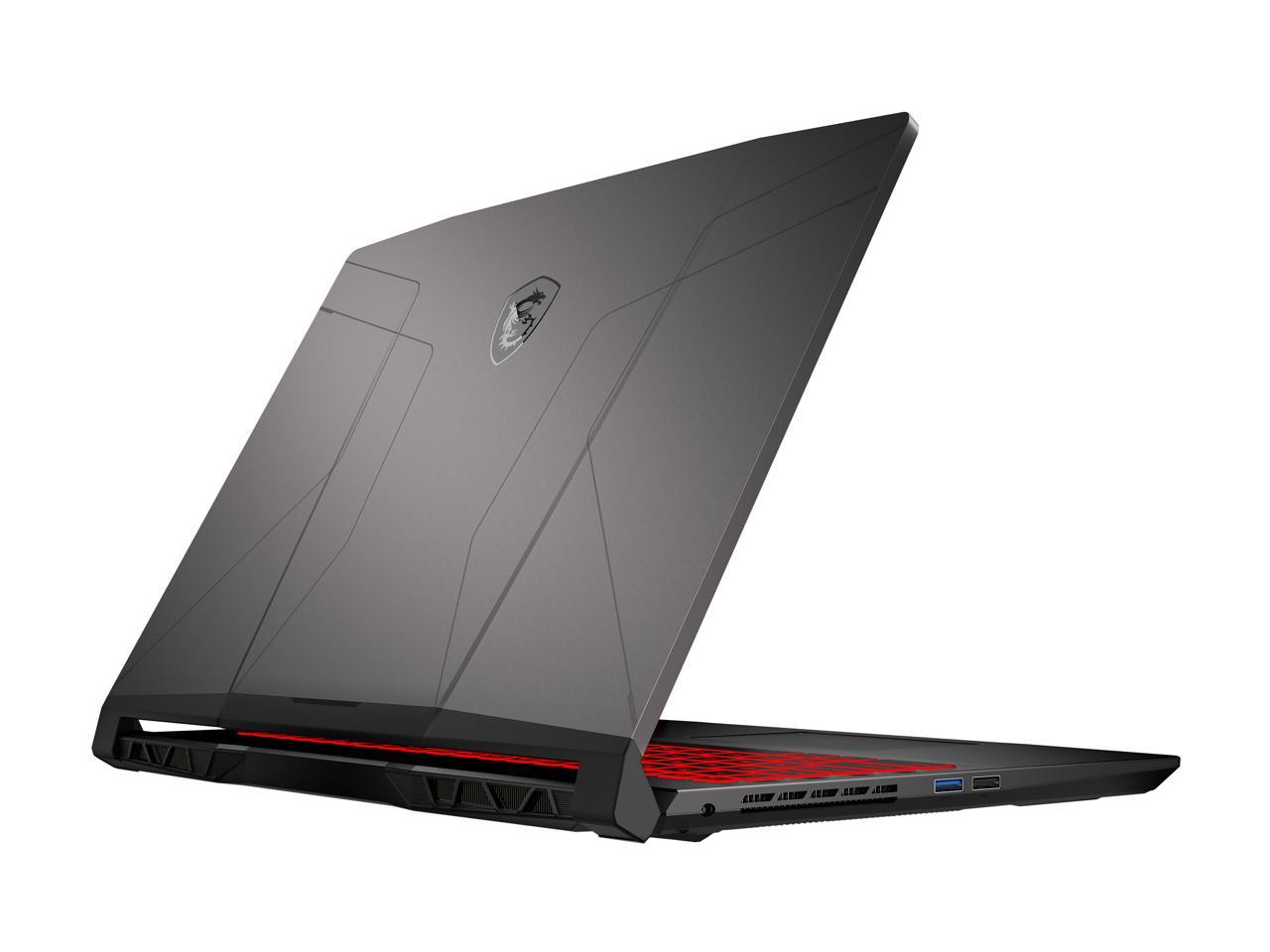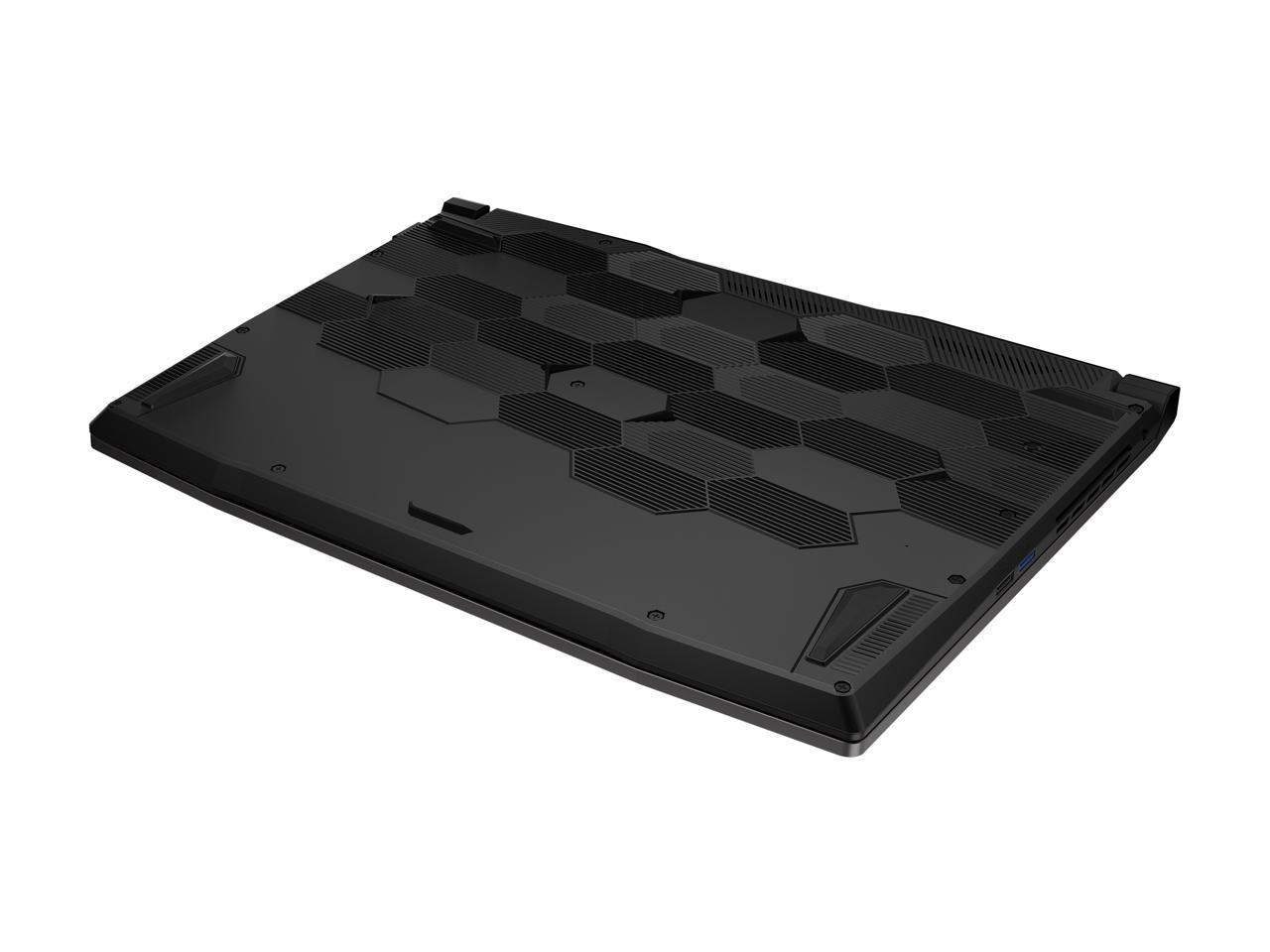




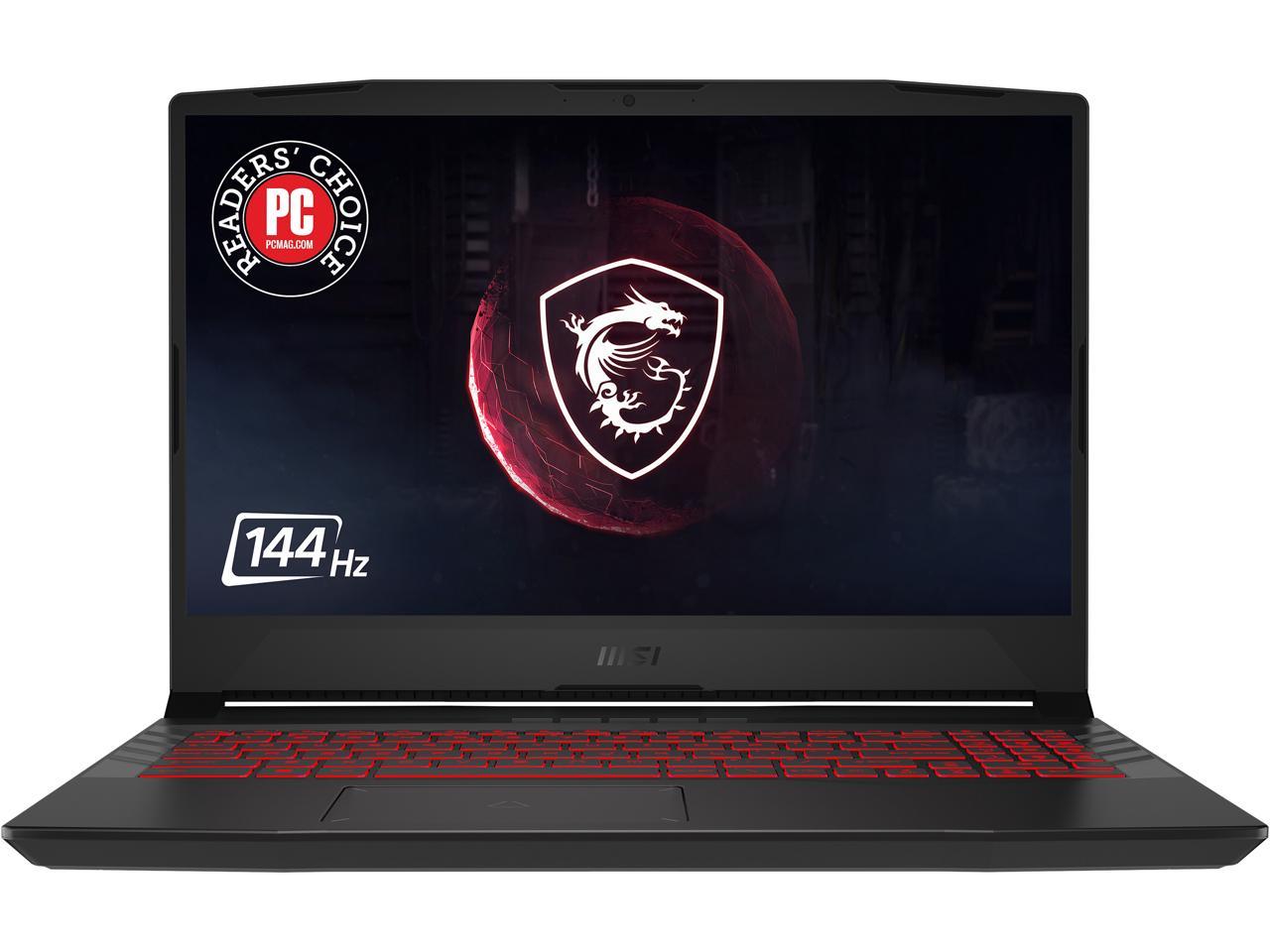
MSI Pulse GL66 11UGKV-231CA
Ausstattung / Datenblatt
Preisvergleich
Durchschnitt von 1 Bewertungen (aus 1 Tests)
Testberichte für das MSI Pulse GL66 11UGKV-231CA
Quelle: PC Verge
 EN→DE Archive.org version
The MSI GL66 Pulse churns out butter-smooth 1080p gaming frame rates and looks as elegant as any gaming high-end gaming laptop should. Other positives are abundant, like a high-refresh screen, capable productivity performance and is priced well below similarly configured competitors, like the Acer Predator Helios 300 and the Blade 15 Base. That said, there are some drawbacks, especially its mostly plastic build, single-zone keyboard lighting, and general lack of special features at odds with its asking price. A small discount would take the sting out of those complaints, but you’d still have to deal with the Pulse’s scanty battery life. Overall, the MSI Pulse GL66 11UGKV-231CA hits the mark in too many areas that make it easier for us to recommend it. Similarly, you can find many better midrange 15.6-inch gaming rigs to choose from, notably the latest refresh of the Acer Predator Helios 300 and (and for a few more money) the Lenovo Legion 5 Pro and Alienware m15 Ryzen Edition R5.
Einzeltest, online verfügbar, Mittel, Datum: 05.04.2022
Bewertung: Gesamt: 82%
Kommentar
Modell:
NVIDIA GeForce RTX 3070 Laptop GPU: High-End Notebook-Grafikkarte und zweit-schnellste Ampere Version für Notebooks zum Launch. Erhältlich in verschiedenen Versionen mit einem TGP von 80 - 125 Watt und unterschiedlichen Taktraten.
Diese Grafikkarten sollten alle modernen Spiele flüssig darstellen können. Anspruchsvolle Spiele müssen jedoch in mittlerer Detailstufe gespielt werden. Ältere und weniger anspruchsvolle Spiele wie die Sims Serie können auch in hohen Detailsstufen flüssig dargestellt werden.
» Weitere Informationen gibt es in unserem Notebook-Grafikkartenvergleich und der Benchmarkliste.
i7-11800H: Auf der Tiger-Lake-Architektur basierender SoC (System-on-a-Chip) für große Gaming Notebooks und mobile Workstations. Integriert unter anderem acht CPU-Kerne mit 2,3 - 4.6 GHz und HyperThreading sowie eine UHD Graphics Grafikeinheit (350 - 1450 MHz) und wird in 10-Nanometer-Technik gefertigt (10nm SuperFin). » Weitere Infos gibt es in unserem Prozessorvergleich Vergleich mobiler Prozessoren und der Prozessoren Benchmarkliste .
 Als bevorzugte Quelle auf Google hinzufügen