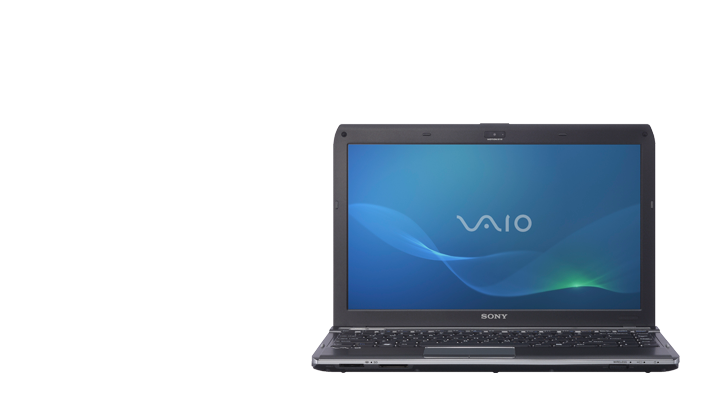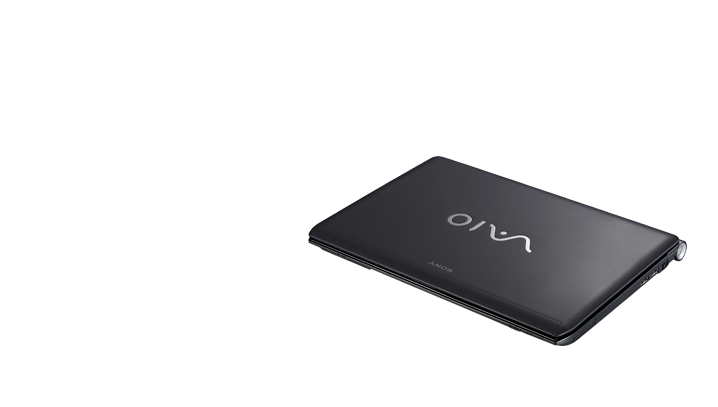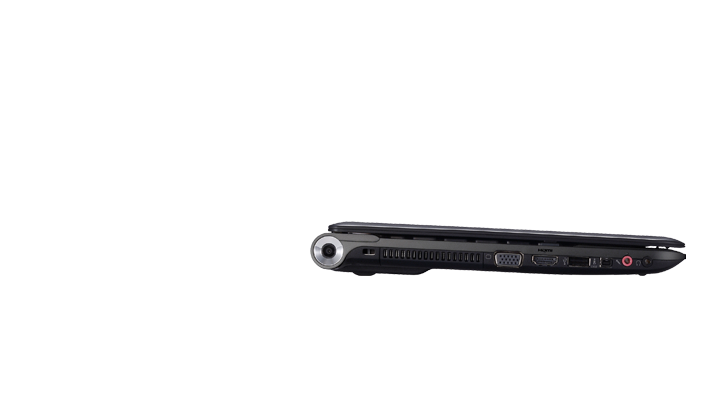




Sony Vaio VPCY118GX/BI
Ausstattung / Datenblatt
Preisvergleich
Durchschnitt von 2 Bewertungen (aus 2 Tests)
Testberichte für das Sony Vaio VPCY118GX/BI
Quelle: Comp Reviews
 EN→DE Archive.org version
Sony's VAIO Y series ultraportables may be affordable for the brand but it does cost several hundred more than the competition. What this extra money does pay for is a much more durable magnesium chassis and some peripheral ports not found on any of the competitions units. Performance is typical but the battery life is a bit below average and Sony's claims.
Einzeltest, online verfügbar, Kurz, Datum: 24.03.2010
Bewertung: Gesamt: 80%
Quelle: Laptop Mag
EN→DE Archive.org versionSony’s first 13-inch ULV ultraportable offers a durable magnesium design, sound ergonomics, and good performance for an affordable price. Sony took its sweet time bringing its first 13-inch ULV ultraportable to market, but it was worth the wait. It offers a more durable design than the ASUS UL30A ($799) and a better touchpad than the HP Pavilion dm3 ($814 when similarly configured). But while the VAIO Y’s nearly 6.5 hours of battery life is good, both the ASUS and HP machines last over 9 hours on a charge.
Einzeltest, online verfügbar, Lang, Datum: 28.01.2010
Bewertung: Gesamt: 70%
Kommentar
Intel Graphics Media Accelerator (GMA) HD Graphics: Intel HD Graphics oder GMA HD genannte onboard Grafikkarte welche im Package der Core i3/i5/i7 Arrandale Dual-Core Prozessoren untergebracht wird. Je nach Prozessormodell maximal mit 500 bis 766 MHz getaktet (Turbo Boost). Von Lenovo anscheinend auch GMA5700MHD genannt. Die gleichgenannte Intel HD Graphics Prozessorgrafik in den Sandy Bridge Prozessoren basiert auf einer neueren Architektur.
Diese Karten können nur sehr alte und sehr anspruchslose 3D Spiele flüssig darstellen. Anwendungen wie Office, Internet surfen, Bildbearbeitung oder (SD) Videoschnitt sind jedoch ohne große Einschränkungen möglich.
» Weitere Informationen gibt es in unserem Notebook-Grafikkartenvergleich und der Benchmarkliste.
Intel Core 2 Duo: Core Duo Nachfolger mit längerer Pipeline und 5-20% Geschwindigkeitszuwachs bei 0.5 - 3 Watt mehr Stromverbrauch.
Der Notebook Core 2 Duo ist baugleich mit den Desktop Core 2 Duo Prozessoren, jedoch werden die Notebook-Prozessoren mit niedrigeren Spannungen und geringerem Frontsidebus Takt betrieben. Von der Leistung bleiben gleichgetaktete Notebooks deswegen (und auch wegen der langsameren Festplatten) 20-25% hinter Desktop PCs.
SU7300: Langsam getakteter Core 2 Duo Prozessor mit 3 MB Level 2 Cache und geringem TDP von 10 Watt.» Weitere Infos gibt es in unserem Prozessorvergleich Vergleich mobiler Prozessoren und der Prozessoren Benchmarkliste .
 Als bevorzugte Quelle auf Google hinzufügen