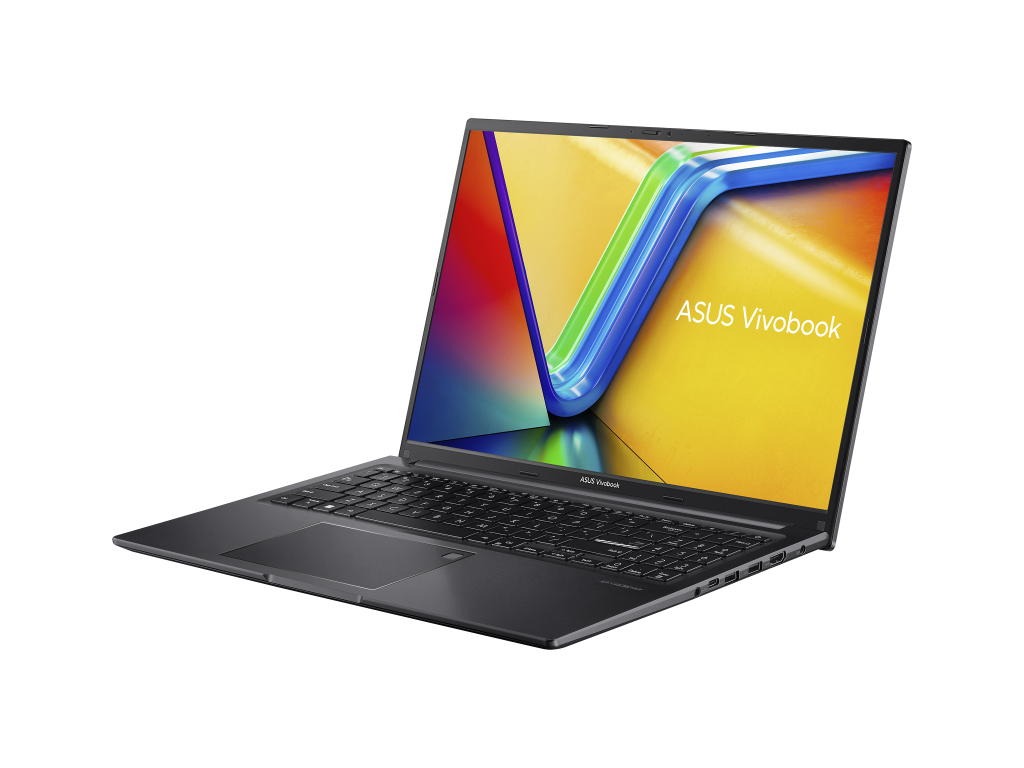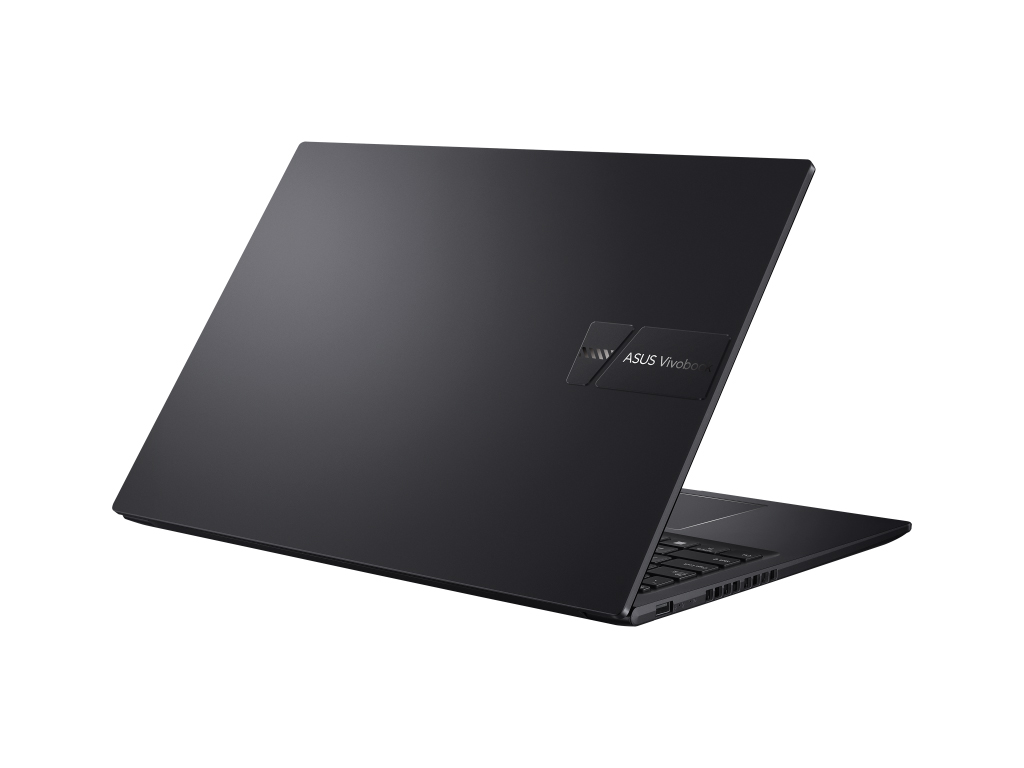




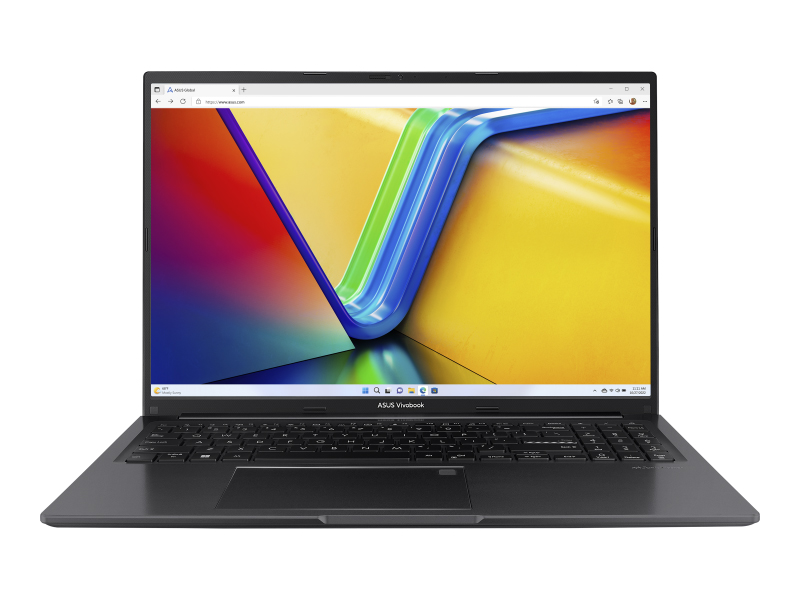
Asus VivoBook 16X X1605ZA
Ausstattung / Datenblatt
Preisvergleich
Durchschnitt von 1 Bewertungen (aus 3 Tests)
Testberichte für das Asus VivoBook 16X X1605ZA
Quelle: Laptop Media

Support, online verfügbar, Sehr kurz, Datum: 26.04.2023
Quelle: Laptop Media
EN→DEHey, 16-inch laptops are now affordable. And they don’t suck! The Vivobook 16 (X1605) is a pretty decent machine with only a few minor flaws that can’t be ignored, but at the same time won’t be dealbreakers for the majority of you. This includes the lack of an SD card reader and the fact that the only USB Type-C port can only be used for data transfer. On the bright side, the situation on the inside looks a bit better with one SODIMM slot for memory expansion and one M.2 PCIe x4 slot for Gen 3 or Gen 4 SSDs. The battery life is great if you’re browsing the Web – 10 hours and 30 minutes, but it is not fantastic if you are watching videos – 5 hours and 30 minutes. Unfortunately, we are not aware what is the reason for the huge difference. Not in last place, its Antibacterial Guard limits the growth and build-up of bacteria on the plastic surface of the notebook. This feature is tested against the ISO 22196 standard, according to ASUS. Now, if you are willing to get a laptop at this price point, you might need to settle for plastic as a building material.
Einzeltest, online verfügbar, Sehr Lang, Datum: 25.04.2023
Quelle: Unlimited Tech
 →DE
→DEEinzeltest, online verfügbar, Mittel, Datum: 03.10.2023
Bewertung: Gesamt: 85%
Kommentar
Intel Iris Xe G7 80EUs: Integrierte Grafikkarte (in Tiger-Lake G4 SoCs) der Gen. 12 Architektur mit 80 EUs. Z.B. in Tiger Lake i5 CPUs verbaute iGPU.
Diese Klasse ist noch durchaus fähig neueste Spiele flüssig darzustellen, nur nicht mehr mit allen Details und in hohen Auflösungen. Besonders anspruchsvolle Spiele laufen nur in minimalen Detailstufen, wodurch die grafische Qualität oft deutlich leidet. Diese Klasse ist nur noch für Gelegenheitsspieler empfehlenswert. Der Stromverbrauch von modernen Grafikkarten in dieser Klasse ist dafür geringer und erlaubt auch bessere Akkulaufzeiten.
» Weitere Informationen gibt es in unserem Notebook-Grafikkartenvergleich und der Benchmarkliste.
i5-1235U: Auf der Alder-Lake-Architektur basierender High-End Mobilprozessor. Bietet 2 Performance-Kerne und 8 Effizienzkerne und kann 12 Threads gleichzeitig bearbeiten. Der maximale Turbo-Takt der P-Kerne beträgt 4,4 GHz.» Weitere Infos gibt es in unserem Prozessorvergleich Vergleich mobiler Prozessoren und der Prozessoren Benchmarkliste .
 Als bevorzugte Quelle auf Google hinzufügen