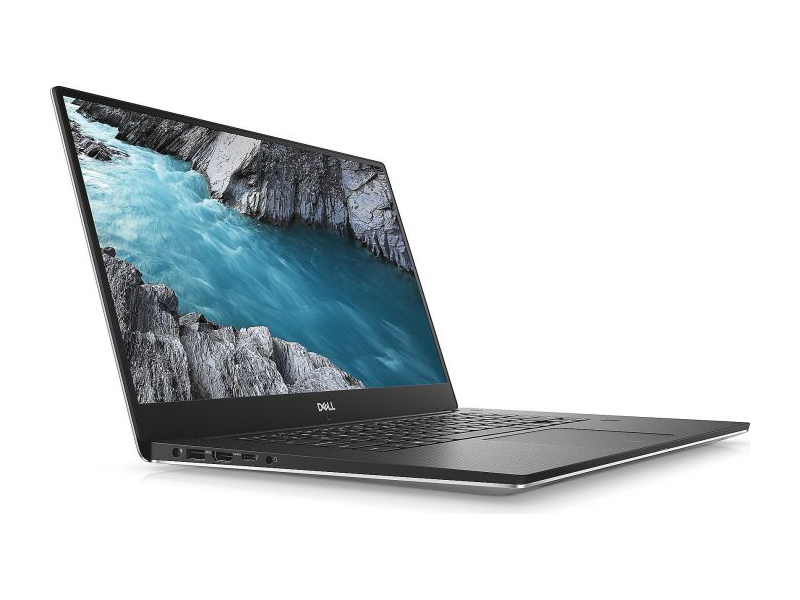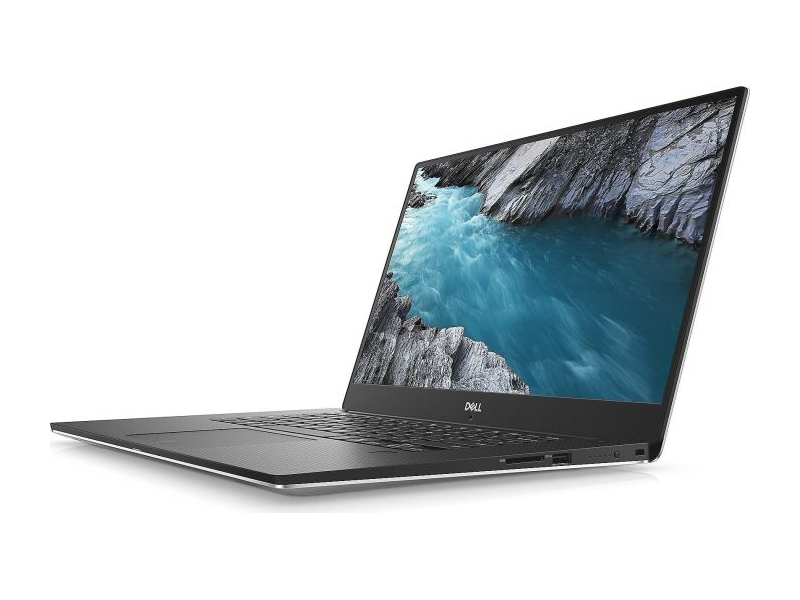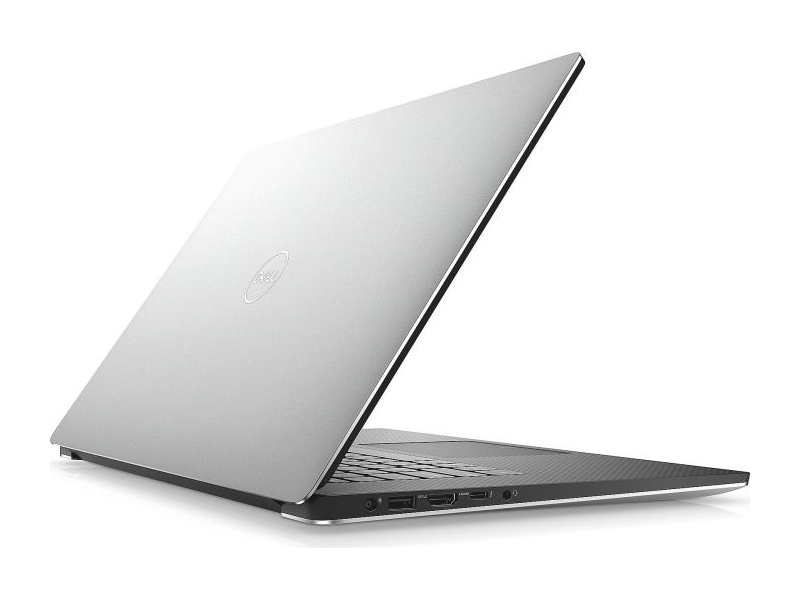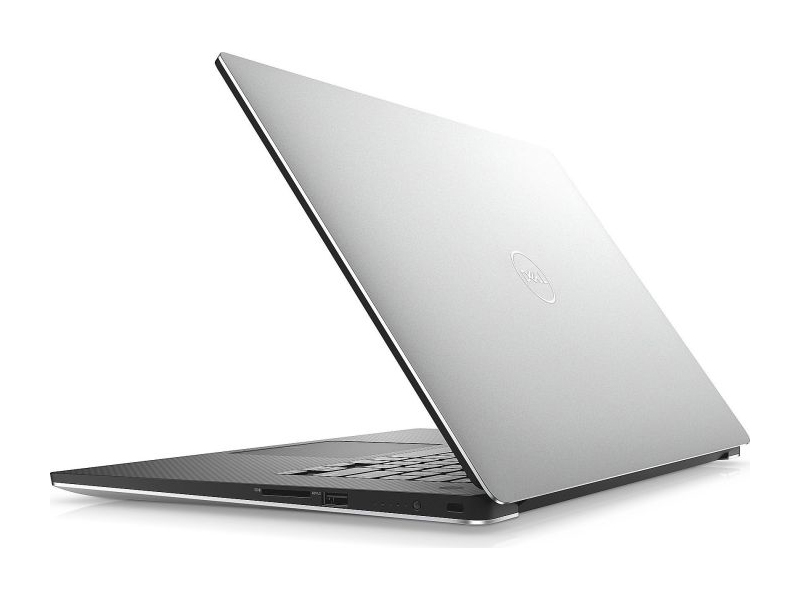




Dell XPS 15 9570 i7 FHD, GTX 1050 Ti Max-Q
Ausstattung / Datenblatt
Preisvergleich
Durchschnitt von 2 Bewertungen (aus 4 Tests)
Testberichte für das Dell XPS 15 9570 i7 FHD, GTX 1050 Ti Max-Q
Quelle: PC World
 EN→DE Archive.org version
Based on current pricing, we have our favorite among the many XPS 15 options available. The unit we received for review, with its Core i7 CPU, 16GB of RAM, GeForce GTX 1050 Ti Max-Q, FHD panel, and 256GB SSD, cost about $1,700 at the time of this writing. Dell has since tweaked its configuration to offer a version with 8GB of RAM, currently selling for $1,400 on Amazon.
Einzeltest, online verfügbar, Lang, Datum: 26.09.2018
Bewertung: Gesamt: 80%
Quelle: Good Gear Guide
EN→DE Archive.org versionThe Dell XPS 15 9570 has some shortcomings. Storage is the most obvious. The XPS 15 is designed around the option of a hard drive for budget buyers or an M.2. If you opt for the SSD (which we highly recommend), you generally get the larger 97-watt-hour battery. If you opt for the thick hard drive, you get squeezed down to the smaller 56-watt-hour battery. We’d recommend ditching the hard drive completely for the bigger battery and maybe putting two M.2 slots inside.
Einzeltest, online verfügbar, Lang, Datum: 26.09.2018
Quelle: Ultrabook Review
EN→DE Archive.org versionI gave the XPS 15 9570 a score of 4/5 in my initial review, noting that despite its flaws, it’s still one of the best all-around notebooks money can buy. This is still somehow true, but these issues remaining with the machine nearly 6 months after launch cannot be ignored, and I would now rate the XPS 15 9570 more like a 3/5.
Einzeltest, online verfügbar, Mittel, Datum: 20.09.2018
Quelle: Ultrabook Review
EN→DE Archive.org versionDespite some lingering issues and many similarities to the previous generation, the XPS 15 9570 surprises with its performance, making enough of a difference to be a worthy upgrade. We hope Dell puts more resources into squashing the XPS 15's remaining issues and giving the design a more complete refresh for the next iteration.
Einzeltest, online verfügbar, Sehr Lang, Datum: 02.06.2018
Bewertung: Gesamt: 80%
Kommentar
NVIDIA GeForce GTX 1050 Ti Max-Q: Effiziente Variante der GeForce GTX 1050 Ti gedacht für dünne und leichte Gaming Laptops. Etwa 10-15 % langsamer als eine normale GTX 1050 Ti bei deutlich reduziertem Stromverbrauch (40-46 versus 64 Watt).
Diese Klasse ist noch durchaus fähig neueste Spiele flüssig darzustellen, nur nicht mehr mit allen Details und in hohen Auflösungen. Besonders anspruchsvolle Spiele laufen nur in minimalen Detailstufen, wodurch die grafische Qualität oft deutlich leidet. Diese Klasse ist nur noch für Gelegenheitsspieler empfehlenswert. Der Stromverbrauch von modernen Grafikkarten in dieser Klasse ist dafür geringer und erlaubt auch bessere Akkulaufzeiten.
» Weitere Informationen gibt es in unserem Notebook-Grafikkartenvergleich und der Benchmarkliste.
i7-8750H: Auf der Coffee-Lake-Architektur basierender SoC (System-on-a-Chip) für große Notebooks. Integriert unter anderem sechs CPU-Kerne mit 2,2 - 4,1 GHz (4 GHz bei 4 Kernen, 3,9 GHz bei allen 6 Kernen) und HyperThreading sowie eine Grafikeinheit und wird in 14-Nanometer-Technik gefertigt.» Weitere Infos gibt es in unserem Prozessorvergleich Vergleich mobiler Prozessoren und der Prozessoren Benchmarkliste .
 Als bevorzugte Quelle auf Google hinzufügen