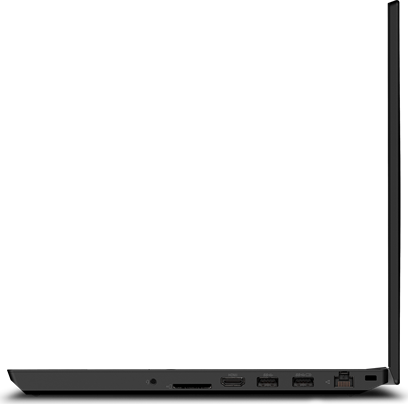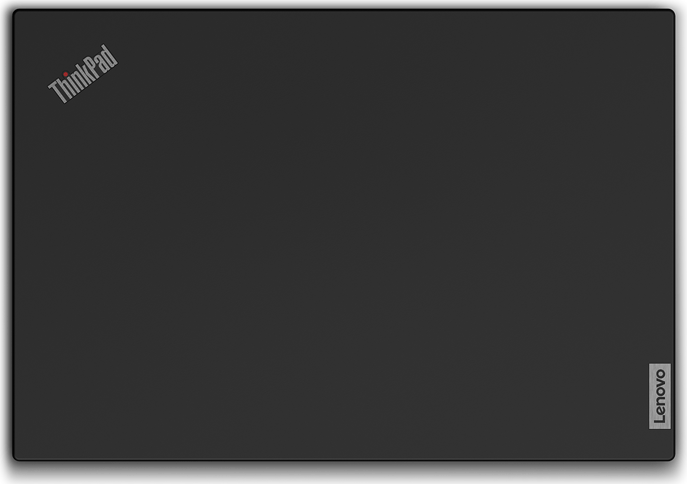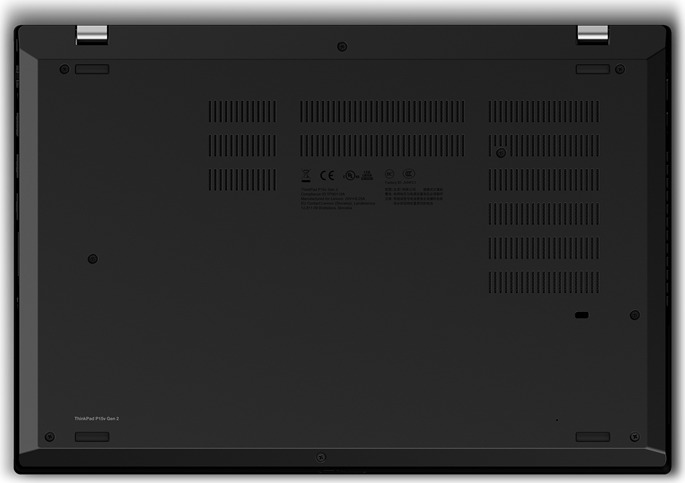




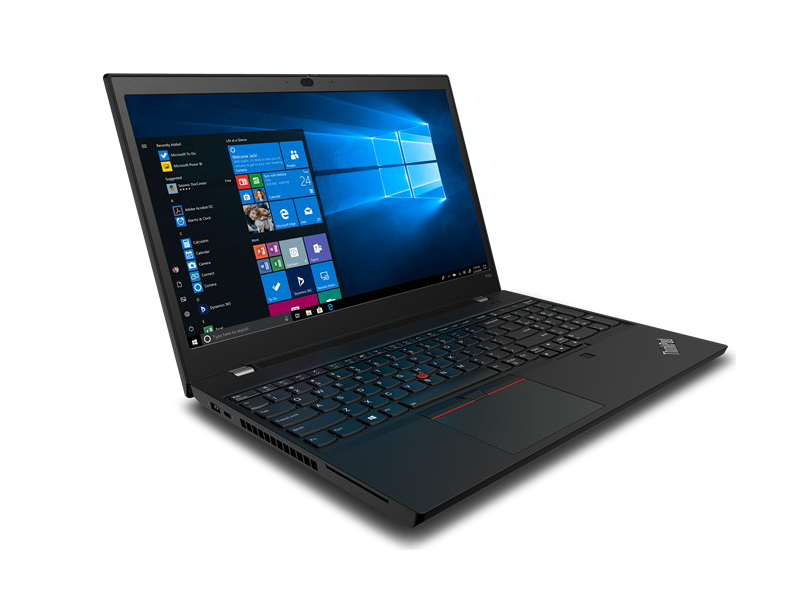
Lenovo ThinkPad P15v G2-21A9000AGE
Ausstattung / Datenblatt
Preisvergleich
Testberichte für das Lenovo ThinkPad P15v G2-21A9000AGE
Quelle: Laptop Media
 EN→DE Archive.org version
There is one question we can’t get answered. Why do manufacturers cripple their otherwise powerful machines with unimpressive cooling solutions? Why bother making a workstation with a CPU that can easily manage 100W of TDP if the thermal management won’t let it even use its rated TDP of 45W? This is question is relevant to the ThinkPad P15v Gen 2, its predecessor – the ThinkPad P15v, the Dell Precision 15 3561, and a lot more laptops out there. You can have the best keyboard on the market (and Lenovo sure does), and an I/O that every laptop user will be envious of, but being unable to maximize your hardware’s performance is petty. Other than that, this unit seems pretty good. As we said, the port selection is more than decent with an SD card reader, Thunderbolt 4 connector, an optional SIM card reader, and a lot more. As for the internal ports – you get two SODIMM slots for memory expansion, and two M.2 slots for PCIe x4 drives. Lenovo ThinkPad P15v Gen 2’s IPS panel (AUO B156HAN02.1 (LEN40BA)) has a Full HD resolution, comfortable viewing angles, and a good contrast ratio.
Einzeltest, online verfügbar, Sehr Lang, Datum: 13.10.2021
Quelle: Laptop Media
Archive.org versionEinzeltest, online verfügbar, Sehr kurz, Datum: 13.10.2021
Kommentar
NVIDIA T600 Laptop GPU: Professionelle Mid-Range Notebook-Grafikkarte der Turing Generation. Mit 896 Shadern vergleichbar mit der GTX 1650 Consumer Grafikkarte. Bietet keine Raytracing und Tensor-Kerne im Gegensatz zu den stärkeren RTX Modellen.
Diese Klasse ist noch durchaus fähig neueste Spiele flüssig darzustellen, nur nicht mehr mit allen Details und in hohen Auflösungen. Besonders anspruchsvolle Spiele laufen nur in minimalen Detailstufen, wodurch die grafische Qualität oft deutlich leidet. Diese Klasse ist nur noch für Gelegenheitsspieler empfehlenswert. Der Stromverbrauch von modernen Grafikkarten in dieser Klasse ist dafür geringer und erlaubt auch bessere Akkulaufzeiten.
» Weitere Informationen gibt es in unserem Notebook-Grafikkartenvergleich und der Benchmarkliste.
i7-11800H: Auf der Tiger-Lake-Architektur basierender SoC (System-on-a-Chip) für große Gaming Notebooks und mobile Workstations. Integriert unter anderem acht CPU-Kerne mit 2,3 - 4.6 GHz und HyperThreading sowie eine UHD Graphics Grafikeinheit (350 - 1450 MHz) und wird in 10-Nanometer-Technik gefertigt (10nm SuperFin). » Weitere Infos gibt es in unserem Prozessorvergleich Vergleich mobiler Prozessoren und der Prozessoren Benchmarkliste .
 Als bevorzugte Quelle auf Google hinzufügen