




Xiaomi Pad 8 Pro
Pro
Contra
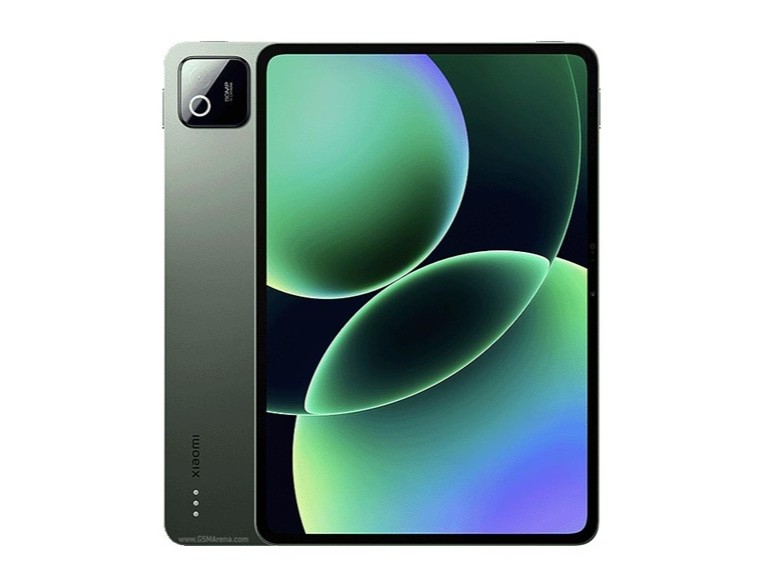
Das Xiaomi Pad 8 Pro ist ein Premium-Tablet ( Android ), das Flaggschiff-Performance zu einem vergleichsweise günstigen Preis bieten soll. Es kombiniert einen Snapdragon 8 Elite-Chipsatz mit bis zu 16 GB RAM und 512 GB UFS-Speicher und ist für Spiele, kreative Arbeit und intensives Multitasking ausgelegt. Das 11,2 Zoll große 3:2-LCD bietet eine scharfe Auflösung von 3200×2136 Pixeln und eine Bildwiederholfrequenz von 144 Hz mit HDR-Unterstützung, wodurch es sich gut für Produktivität und Medien eignet. Die Kritiken loben durchweg die Geschwindigkeit, das helle Display, die solide Lautsprecher und die lange Akkulaufzeit des 9200mAh-Akkus mit Schnellladefunktion. Es unterstützt auch Stift- und Tastaturzubehör, was es zu einer glaubwürdigen Laptop-Alternative für Reisen und Arbeit machen kann. Die größten Nachteile sind das LCD-Panel anstelle eines OLED-Displays und die Gesamtkosten, die in den Bereich eines Laptops klettern, sobald das Zubehör mit einbezogen wird.
Ausstattung / Datenblatt
Secondary Camera: 32 MPix (f/2.2, 19 mm, 1/3.6")
Preisvergleich
Durchschnitt von 24 Bewertungen (aus 48 Tests)
Testberichte für das Xiaomi Pad 8 Pro
Das neue Premium-Tablet aus dem Hause Xiaomi ist wieder ein Anwärter für den Preis-Leistungs-Thron. Im Vergleich zu einem Apple iPad Air oder Galaxy Tab S11 wirkt das Pad 8 Pro fast schon günstig, obwohl das Xiaomi-Tablet beste Hardware bietet. Wie sich das Xiaomi Tab samt HyperOS 3 schlägt, lesen Sie im Testbericht. Update: Akku-Tests abgeschlossen & Zubehörfotos ergänzt
Quelle: Android Mag

Tablets haben sich längst als vielseitige Begleiter etabliert, die sowohl für die Feierabendunterhaltung als auch für produktives Arbeiten genutzt werden können. Mit dem Pad 8 Pro bringt Xiaomi ein Modell auf den Markt, das genau diesen Spagat zwischen Leistung und Flexibilität meistert.
Einzeltest, online verfügbar, Sehr kurz, Datum: 09.07.2026
Bewertung: Gesamt: 91% Leistung: 91% Bildschirm: 94% Mobilität: 89%
Quelle: Computerbild
Das Xiaomi Pad 8 Pro ist weit mehr als eine iPad-Kopie – sondern eine ernstzunehmende Alternative. Es punktet mit sehr hoher Leistung, exzellenter Bildqualität, flüssiger 144-Hertz-Wiedergabe und langer Akkulaufzeit. Verarbeitung und Design wirken hochwertig, die Kameras sind für ein Tablet überdurchschnittlich gut. Abzüge gibt es für das fehlende OLED-Panel, den nicht erweiterbaren Speicher und die fehlende 5G-Version. Das Xiaomi liefert trotzdem ein beinahe "sehr gutes" Gesamtpaket, das viel Tempo und eine gute Ausstattung bietet – und das zu einem Preis, bei dem viele Konkurrenten ins Schwitzen geraten dürften.
Einzeltest, online verfügbar, Sehr kurz, Datum: 18.05.2026
Bewertung: Gesamt: 94%
Quelle: Heise
Das Xiaomi Pad 8 Pro ist ein starkes 11-Zoll-Tablet zum fairen Preis. Dank Snapdragon 8 Elite bietet es brachiale Leistung, womit sich das Tablet auch hervorragend zum Spielen eignet. Das Display liefert passend dazu 144 Hz, eine messerscharfe Auflösung und überzeugende Bildqualität. Die Verarbeitung ist erstklassig. Der einzige nennenswerte Wermutstropfen ist das IPS-Panel statt OLED – wer tiefes Schwarz und maximale Kontraste erwartet, muss Abstriche machen. Eine Variante mit Mobilfunk-Modem gibt es allerdings nicht. Wer ein handliches und besonders leistungsstarkes Tablet zum Surfen, Zocken und Streamen sucht und auf OLED sowie mobiles Internet verzichten kann, bekommt hier ein ausgezeichnetes Gesamtpaket zum fairen Preis.
Einzeltest, online verfügbar, Kurz, Datum: 09.04.2026
Bewertung: Gesamt: 90%
Quelle: WinFuture
Insgesamt hinterlässt die Pad-8-Serie einen starken technischen Eindruck. Das Pad 8 eignet sich besonders für Nutzer, die ein leistungsfähiges und vergleichsweise günstiges Android-Tablet für Streaming, Spiele und Alltag suchen. Das Pad 8 Pro richtet sich an Anwender, die maximale Leistung im kompakten Format wollen. Der größte Wermutstropfen bleibt jedoch der überraschende Rückschritt bei den Lautsprechern sowie die nur durchschnittliche Akkulaufzeit.
Einzeltest, online verfügbar, Sehr kurz, Datum: 11.03.2026
Quelle: Tablet Blog
Wir finden, dass das normale Xiaomi Pad 8 eine richtig gute Leistung, ein tolles Display und eine hochwertige Verarbeitung bietet. Besonders dann, wenn der Preis noch ein bisschen sinkt. Wenn ihr ein richtig gutes Tablet zum Spielen sucht oder abends einfach Netflix und YouTube auf dem Sofa streamen wollt, können wir es empfehlen. Wenn ihr nicht zwingend den Fingerabdrucksensor und das allerletzte bisschen Leistung braucht, gibt es auch kaum einen Grund, mehr Geld für die Pro-Version auszugeben.Das Pad 8 Pro steckt nämlich in einer etwas seltsamen Position. Ja, es ist eines der schnellsten Android-Tablets überhaupt.
Einzeltest, online verfügbar, Mittel, Datum: 02.03.2026
Bewertung: Gesamt: 80%
Quelle: Computerbild
Das Xiaomi Pad 8 Pro ist weit mehr als eine iPad-Kopie – sondern eine ernstzunehmende Alternative. Es punktet mit sehr hoher Leistung, exzellenter Bildqualität, flüssiger 144-Hertz-Wiedergabe und langer Akkulaufzeit. Verarbeitung und Design wirken hochwertig, die Kameras sind für ein Tablet überdurchschnittlich gut.
Einzeltest, online verfügbar, Kurz, Datum: 01.03.2026
Bewertung: Gesamt: 94%
Ausländische Testberichte
Quelle: Root Nation
 EN→DE
EN→DEThe Xiaomi Pad 8 Pro gives the impression of a device where priorities are set in a balanced and deliberate way. It does not try to stand out through unconventional solutions or experimental features, but instead focuses on powerful hardware, a solid build, good audio, fast charging, and a strong performance reserve that should remain relevant for several years. Overall, the Xiaomi Pad 8 Pro leaves a very positive impression.
Einzeltest, online verfügbar, Sehr Lang, Datum: 11.06.2026
Bewertung: Gesamt: 96% Preis: 90% Leistung: 100% Bildschirm: 100% Mobilität: 100% Gehäuse: 90% Ergonomie: 100%
Quelle: Digital Trends
EN→DEIf you’re a power user on a budget, this is your tablet, full stop. You get Snapdragon 8 Elite’s firepower for heavy gaming, emulation, or video rendering without having to stomach the eye-watering prices of an iPad Pro or a Galaxy Tab S-series Ultra. It’s also the travel companion that outlasts the trip, with up to 18 hours of active use and quick 67W charging when you finally deplete the battery bank. If you’re one of the people OLED screens actively punish with headaches, the bright, flicker-free 144Hz LCD is a small miracle that reframes its biggest “weakness” into the very reason you’d choose it. Throw the Focus Keyboard Pro into the mix, let Workstation mode loose, and you’ve even got a surprisingly capable lightweight laptop stand-in for writing and web-based work. There are people it’s not for, though, and I’d be doing you a disservice to pretend otherwise. If you’re a cinephile whose nights are spent watching HDR movies in the dark, the backlight glow and the absence of true blacks will nag at you in a way they simply won’t for everyone else. The only respite? Get a tablet with an OLED screen. If you need a flawless desktop replacement, Workstation mode is great, but Android’s app ecosystem still lacks the scaling polish and the deep professional software bench you’ll find on Windows, macOS, or even iPadOS. And if you hate the hassle of importing electronics, know that buying outside officially supported regions means wrestling with Chinese ROMs, side-loading Google services, and crossing your fingers on the warranty situation. For everyone else, this might just be the best performance-to-price ratio in the entire tablet market right now.
Einzeltest, online verfügbar, Mittel, Datum: 26.05.2026
Bewertung: Gesamt: 80%
Quelle: BGR
EN→DEThe Xiaomi Pad 8 Pro is an excellent Android tablet. It's powerful, well-designed, and has a huge battery life. That said, at €650, it's not the cheapest tablet around, and the competition is relatively fierce. If you're willing to live in Apple's ecosystem, one of those is an iPad Pro, and it's well worth considering an iPad given the better tablet operating system. If you're looking to stick with Android, the Xiaomi Pad 8 Pro is an excellent option. There are plenty of trade-offs, though. LCD instead of OLED means weaker black levels and less vibrant colors, and not everyone will love the software. These aren't really dealbreakers for most, but they're worth knowing about.
Einzeltest, online verfügbar, Kurz, Datum: 17.05.2026
Quelle: Trusted Reviews
EN→DEA top all-rounder tablet that costs significantly less than the rivals from Apple and Samsung. The Xiaomi Pad 8 Pro’s real rivals are arguably those from Honor and OnePlus, though. The Xiaomi Pad 8 Pro is more powerful than the Honor MagicPad 4. But the OnePlus Pad Go 2 is much cheaper, and the larger, lighter, OLED-screened Honor is our pick for watching video. It’s up to you to ask yourself what matters more. Power, saving some money or display size and contrast? For more options, take a look at our selection of the best tablets.
Einzeltest, online verfügbar, Lang, Datum: 24.04.2026
Bewertung: Gesamt: 80%
Quelle: Lowyat.net
EN→DEFor a starting price of RM2,399, you get a portable yet powerful device that can more or less meet your productivity needs. On its own, though, it is by no means a PC substitute. At the very least, you will want the keyboard, which is an additional RM499. That said, if you’re not looking for a pseudo-PC, then you can’t go wrong with the Xiaomi Pad 8 Pro. It’s a comfortable all-rounder suited for work and play.
Einzeltest, online verfügbar, Kurz, Datum: 10.04.2026
Quelle: Tech Advisor
EN→DEThe Xiaomi Pad 8 Pro offers great specs and solid performance for the money, offering a significantly more affordable route to a premium Android tablet than buying from the incumbent segment leader, Samsung. It’s cheaper than Apple’s top devices, although the standard iPad is cheaper and arguably offers a slightly more polished app experience and longer software support. The accessories that Xiaomi offers are good, but they look a little expensive at full price. The Focus Keyboard is a great pairing for those wanting a compact productivity tablet that’s as good for getting work done as it is for entertainment once you clock off. Overall, if it ticks the right boxes for you, the Xiaomi Pad 8 Pro is a great Android tablet and comes highly recommended.
Einzeltest, online verfügbar, Lang, Datum: 03.04.2026
Bewertung: Gesamt: 90%
Quelle: T3
EN→DEThe Xiaomi Pad 8 Pro joins a growing range of solid Android tablets that offer a premium experience. And that's precisely what you get here. In a field that was once dominated by Samsung, Xiaomi makes its mark with the Pad 8 Pro, which offers a solid experience that doesn't suffer as a result of its HyperOS software. Indeed, the options for Workstation mode – and a full range of accessories – makes this Android slate a slightly cheaper option than picking an iPad Pro as a laptop replacement. But those accessories are expensive, the brightness isn't class leading, and the chunky camera seems a design oddity. The experience is generally a good one, though, with the positives outweighing a few negatives for a great all-round tablet experience – especially if you can buy at a discount.
Einzeltest, online verfügbar, Kurz, Datum: 26.03.2026
Bewertung: Gesamt: 80%
Quelle: GSM Arena
EN→DEThe Xiaomi Pad 8 Pro RRP for the 8/256GB version is €600 but it can already be found for around €500. It's not cheap, but it does bring a lot to the table. It has a clean design with some nice body colors, a high-quality IPS LCD display, an excellent quartet of speakers, and, of course, the most powerful current Android processor. The latest Android and HyperOS combo turns this tablet into a solid multi-tasking machine.The icing of the cake, of course, are the optional accessories, which can expand the Pad 8 Pro capabilities - be it for drawing, sketching, typing, working, or even streaming.We think this tablet should have been developed in two versions - Wi-Fi and 5G versions, so it can reach more potential users. The Matte Glass version is an interesting option as well - it costs €100 more, but it comes configured with a higher 12/512GB storage configuration.
Einzeltest, online verfügbar, Sehr Lang, Datum: 24.03.2026
Bewertung: Gesamt: 88%
Quelle: OI Spice Tech News
EN→DEThe Xiaomi Pad 8 Pro is designed to be a powerhouse for both productivity and entertainment, boasting a stunning 11.2-inch IPS LCD display that truly sets it apart. With support for an incredible 68 billion colors, a buttery-smooth 144Hz refresh rate, and multiple HDR formats like Dolby Vision, this screen is built to deliver a vibrant and fluid visual experience, whether you are scrolling through documents or watching the latest blockbuster. Under the hood, it is powered by the cutting-edge Qualcomm Snapdragon 8 Elite chipset, built on a 4nm process, paired with a robust octa-core CPU and an Adreno 830 GPU. This ensures top-tier performance for demanding apps, multitasking, and even some light gaming, making it a compelling option for users who need both style and substance.
Einzeltest, online verfügbar, Sehr kurz, Datum: 17.03.2026
Quelle: Hitech Century
EN→DEOn its own merits, the Xiaomi Pad 8 Pro is a gorgeous looking Android tablet with plenty of pixel crunching power under the hood paired with a vibrant display and decent battery life, all shoehorned into a very light chassis that’s great for all-day carry. However, you’ll need to invest an additional sum in acquiring the stylus (RM599) and the keyboard case (RM499) for it to achieve its fullest potential.
Einzeltest, online verfügbar, Lang, Datum: 16.03.2026
Bewertung: Gesamt: 70% Preis: 60% Leistung: 80% Bildschirm: 80% Mobilität: 70%
Quelle: NLT
EN→DESo should you buy the Xiaomi Pad 8 Pro? Well, I think the same consensus from the previous generation continues. If you want an affordable tablet with the highest-end Snapdragon chipset, then the Xiaomi Pad 8 Pro is for you. Yeah, there are no tablets with the Snapdragon 8 Elite Gen 5 as of now – so this is the best you can get right now. Xiaomi Pad 8 Pro - affordable Snapdragon 8 Elite tablet? As for the price, it’s at RM2,999 for 12GB RAM + 512GB storage. There’s only one configuration available in the Malaysian market and I do think that the price is quite hefty. Still, it’s one of those rare tablets with a flagship Snapdragon chipset. But the price is way above what the Xiaomi Pad Mini asked for.
Einzeltest, online verfügbar, Lang, Datum: 13.03.2026
Quelle: Phone Arena
EN→DEThe Xiaomi Pad 8 Pro is a great tablet. It's fast and bright, and it can do many things, especially with the aid of the Focus Keyboard and Focus Pen. Can it replace your laptop? Yes, definitely, but it comes at a price. Getting the aforementioned Focus Keyboard and Focus Pen bumps up the price of the already pricey tablet to laptop territories, which kind of defeats the main idea. With all the said accessories, the price of the Xiaomi Pad 8 Pro goes north of $700, and that's very close to a discounted MacBook Air. In its own right, the Xiaomi Pad 8 Pro is a very solid tablet with great battery life, fast performance, and a premium design.
Einzeltest, online verfügbar, Lang, Datum: 05.03.2026
Bewertung: Gesamt: 65%
Quelle: Manila Shaker
Einzeltest, online verfügbar, Mittel, Datum: 04.03.2026
Quelle: It Pro
EN→DEThis tablet makes for a fantastic productivity-centric travel companion – embodying the 'mobile workstation' moniker that Xiaomi has ascribed it with, for the most part at least. While it won't lack the firepower of high-end laptops, it competes well with mid-range machines while also being priced very reasonably.
Einzeltest, online verfügbar, Kurz, Datum: 03.03.2026
Bewertung: Gesamt: 100%
Quelle: Manila Shaker
EN→DEOverall, like its predecessor, the Xiaomi Pad 8 Pro offers strong value for money. It’s a solid choice for users looking for a tablet with pen and keyboard support, capable of handling gaming, productivity, and multimedia tasks. Its main downside is the use of an LCD panel instead of OLED. However, despite that limitation, the Xiaomi Pad 8 Pro remains a competitive and well-rounded tablet in its price segment.
Einzeltest, online verfügbar, Sehr kurz, Datum: 03.03.2026
Quelle: Yugatech
EN→DENow, onto our verdict. The Xiaomi Pad 8 Pro is a clear example of how far Android tablets have come. It delivers flagship-level performance, an excellent high-refresh display, loud and immersive speakers, and genuinely useful productivity features. Gaming performance is top-tier, benchmarks are impressive and everyday use feels effortless. Since we don’t know the official price tag of the Pad 8 Pro as of making this video, it is kind of difficult to make a final call in terms of value. However, based purely on what it offers, this is shaping up to be one of Xiaomi’s most complete tablets yet. If the price is right, the Pad 8 Pro could easily become a go-to option for power users and creatives alike. If you’re looking for a powerful Android tablet that can handle demanding games, serious multitasking and media consumption without breaking a sweat, the Xiaomi Pad 8 Pro easily fits the bill.
Einzeltest, online verfügbar, Lang, Datum: 02.03.2026
Quelle: Yugatech
From the moment you pick it up, it’s obvious that the Xiaomi Pad 8 Pro is aimed at users who want flagship-level performance, a high-quality display, and serious productivity features in a slim and modern form factor.
Einzeltest, online verfügbar, Lang, Datum: 02.03.2026
Quelle: ben's gadget reviews
The Xiaomi Pad 8 Pro is the newest flagship tablet from Xiaomi. Featuring a Snapdragon 8 Elite chip, excellent software and keyboard case, this is a capable tablet for productivity and fun. The Xiaomi Pad 8 Pro weighs 1.1lbs/495g with an 11.2-inch LCD display with 144Hz refresh rate. The keyboard is also the best in the Android side in my opinion -- though its design is not original.
Einzeltest, online verfügbar, Lang, Datum: 28.02.2026
Quelle: TechTablets
Xiaomi Pad 8 Pro unboxing & review. Global model. SD 8 Elite, 144hz 11.2" screen tablet with battery life, gaming, benchmarks, and the focus pen and focus keyboard.
Einzeltest, online verfügbar, Sehr Lang, Datum: 28.02.2026
Quelle: CG Mag Online
EN→DEThe Xiaomi Pad 8 Pro delivers flagship-level performance and battery life in a sleek package that makes it one of the strongest Android tablets currently available.
Einzeltest, online verfügbar, Kurz, Datum: 28.02.2026
Bewertung: Gesamt: 90%
Quelle: Digital Camera World
EN→DEThe Xiaomi Pad 8 Pro is an excellent Android productivity tablet. It’s thin, powerful, and well designed, with excellent performance in creative apps. The display is great quality and at 11-inches hits a portability sweet spot between functional and cumbersome. For just watching movies on a plane, it is overkill; however, if you are set on a tablet as a laptop replacement, it's hard to recommend a better Android option at this price point.
Einzeltest, online verfügbar, Mittel, Datum: 28.02.2026
Bewertung: Gesamt: 80% Preis: 80% Leistung: 80% Gehäuse: 90%
Quelle: Pokde
EN→DEThe configuration we tested (8GB+256GB) is the cheaper variant at RM2,699, where the Xiaomi Pad 8 Pro offers a fairly solid value considering the sum of its parts. You can go for the one with bigger RAM and storage at RM2,999 right now, but whichever variant you choose, just know that it’s not necessarily a game-changer, but it has all the things to make this a tablet that works just fine.
Einzeltest, online verfügbar, Lang, Datum: 28.02.2026
Bewertung: Gesamt: 79% Preis: 80% Leistung: 75% Mobilität: 80% Gehäuse: 80%
Quelle: Tech Spurt
Reviewing the Xiaomi Pad 8 Pro Matte Glass Version, a 2026 tablet with premium specs to take on the iPad Pro. From the solid gaming performance and excellent battery life to the strong accessory support, the Xiaomi Pad 8 Pro Matte Glass is an ideal laptop replacement. However, while the anti-glare screen works wonders, there is one major flaw. I've been testing this tablet for the past couple of weeks, so here's my final verdict. Check out my other reviews here on Tech Spurt for more ideas! The Xiaomi Pad 8 Pro Matte Glass Version is going against the iPad Pro and premium Samsung tablets. You've got good enough performance to run games at the top graphics settings.
Einzeltest, online verfügbar, Sehr Lang, Datum: 28.02.2026
Quelle: OI Spice Tech News
EN→DEThe Xiaomi Pad 8 Pro was announced and released in September 2025. On the front display, you will get an 11.2-inch IPS LCD with a sharp 2136 x 3200 pixel resolution and a fast 144Hz refresh rate. Here, you will also get HDR10, Dolby Vision, and 800 nits peak brightness, which is great for a mid-range tablet. Following this, the company also added a premium all-aluminum build and a dedicated magnetic stylus support. Besides this, the slim 5.8 mm profile with a weight of 485 grams makes it easy to carry and handle. Performance is powered by the Snapdragon 8 Elite chipset built on a 3 nm process, paired with Adreno 830 graphics. Usually, the octa-core CPU can provide up to 4.32GHz clocking speed. This much power delivers flagship-level performance, though it may show minor thermal throttling under heavy load.
Einzeltest, online verfügbar, Sehr kurz, Datum: 10.12.2025
Quelle: Tech X Reviews
EN→DEComparing the previous generation, whether it is the performance boost brought by the top-tier flagship chip or the productivity boost brought by the flagship-level peripherals, the Xiaomi Pad 8 Pro ≈ $392 USD, has the ability to challenge “Ultra-level” tablets. The debut of HyperOS 3 provides a smoother and more practical performance for its daily experience.
Einzeltest, online verfügbar, Kurz, Datum: 20.11.2025
Quelle: Tech X Reviews
Android tablets have been getting really good lately, but the new Xiaomi Pad 8 Pro might just be the sweet spot we’ve been waiting for. It’s rare to see a tablet packed with top-tier flagship specs like the Snapdragon 8 Elite hitting such an aggressive price point. If you’ve been looking for a slate that can handle serious gaming and productivity without draining your wallet, this is the one to watch. The standout feature this year has to be the new nano-texture display option. It cuts down glare significantly—perfect if you like working outdoors or just hate seeing your own reflection in dark movie scenes.
Einzeltest, online verfügbar, Mittel, Datum: 20.11.2025
Quelle: 4G News
 PT→DE
PT→DEEinzeltest, online verfügbar, Kurz, Datum: 15.03.2026
Bewertung: Gesamt: 90%
Quelle: Evo smart
 IT→DE
IT→DEEinzeltest, online verfügbar, Kurz, Datum: 24.05.2026
Bewertung: Gesamt: 80% Preis: 80% Leistung: 80% Bildschirm: 80% Mobilität: 80%
Quelle: Quotidiano Hardware Upgrade
IT→DEEinzeltest, online verfügbar, Lang, Datum: 13.04.2026
Quelle: Quotidiano Hardware Upgrade
IT→DEEinzeltest, online verfügbar, Lang, Datum: 13.04.2026
Quelle: Everyeye.it
IT→DEEinzeltest, online verfügbar, Kurz, Datum: 09.04.2026
Bewertung: Gesamt: 84%
Quelle: Smart World
IT→DEEinzeltest, online verfügbar, Kurz, Datum: 27.03.2026
Bewertung: Gesamt: 83% Preis: 75% Ausstattung: 85% Bildschirm: 85% Mobilität: 80% Gehäuse: 90% Ergonomie: 90%
Quelle: Quotidiano Hardware Upgrade
IT→DEVergleich, online verfügbar, Sehr kurz, Datum: 26.09.2025
Quelle: Diskidee.nl
 NL→DE
NL→DEEinzeltest, online verfügbar, Kurz, Datum: 03.04.2026
Bewertung: Gesamt: 80%
Quelle: Tabletowo
 PL→DE
PL→DEEinzeltest, online verfügbar, Lang, Datum: 11.04.2026
Bewertung: Gesamt: 88%
Quelle: MobilArena HU
 HU→DE
HU→DEEinzeltest, online verfügbar, Sehr Lang, Datum: 09.04.2026
Bewertung: Preis: 70% Bildschirm: 100% Mobilität: 70% Gehäuse: 80%
Quelle: FPT shop
 VN→DE
VN→DEEinzeltest, online verfügbar, Kurz, Datum: 07.08.2026
Quelle: The Gioididong
VN→DEEinzeltest, online verfügbar, Kurz, Datum: 09.03.2026
Quelle: Genk
VN→DEVergleich, online verfügbar, Kurz, Datum: 05.03.2026

Quelle: Arena IT
 →DE
→DEEinzeltest, online verfügbar, Kurz, Datum: 17.09.2026
Quelle: Go4it.ro
→DEVergleich, online verfügbar, Sehr kurz, Datum: 05.01.2026
Kommentar
Qualcomm Adreno 840: Integrierte Grafikeinheit im Qualcomm Snapdragon 8 Elite Gen 5 SoC für Smartphones mit drei Slices mit je 1,2 GHz. Laut Qualcomm um 23% schneller als die Vorgängergeneration (Adreno 830).
Diese Klasse ist noch durchaus fähig neueste Spiele flüssig darzustellen, nur nicht mehr mit allen Details und in hohen Auflösungen. Besonders anspruchsvolle Spiele laufen nur in minimalen Detailstufen, wodurch die grafische Qualität oft deutlich leidet. Diese Klasse ist nur noch für Gelegenheitsspieler empfehlenswert. Der Stromverbrauch von modernen Grafikkarten in dieser Klasse ist dafür geringer und erlaubt auch bessere Akkulaufzeiten.
» Weitere Informationen gibt es in unserem Notebook-Grafikkartenvergleich und der Benchmarkliste.
SD 8 Elite: High-End SoC (System on a Chip) für Smartphones welcher Ende 2024 vorgestellt wurde. Integriert zwei schnelle Oryon Gen 2 Prime Cores mit bis zu 4,32 GHz und 6 kleinere Oryon Gen 2 Performance Cores mit bis zu 3,53 GHz.» Weitere Infos gibt es in unserem Prozessorvergleich Vergleich mobiler Prozessoren und der Prozessoren Benchmarkliste .
Geräte mit der selben Grafikkarte
Geräte mit der selben Bildschirmgröße und/oder ähnlichem Gewicht
Laptops des selben Herstellers
 Als bevorzugte Quelle auf Google hinzufügen


