




Xiaomi Poco Pad X1
Pro
Contra
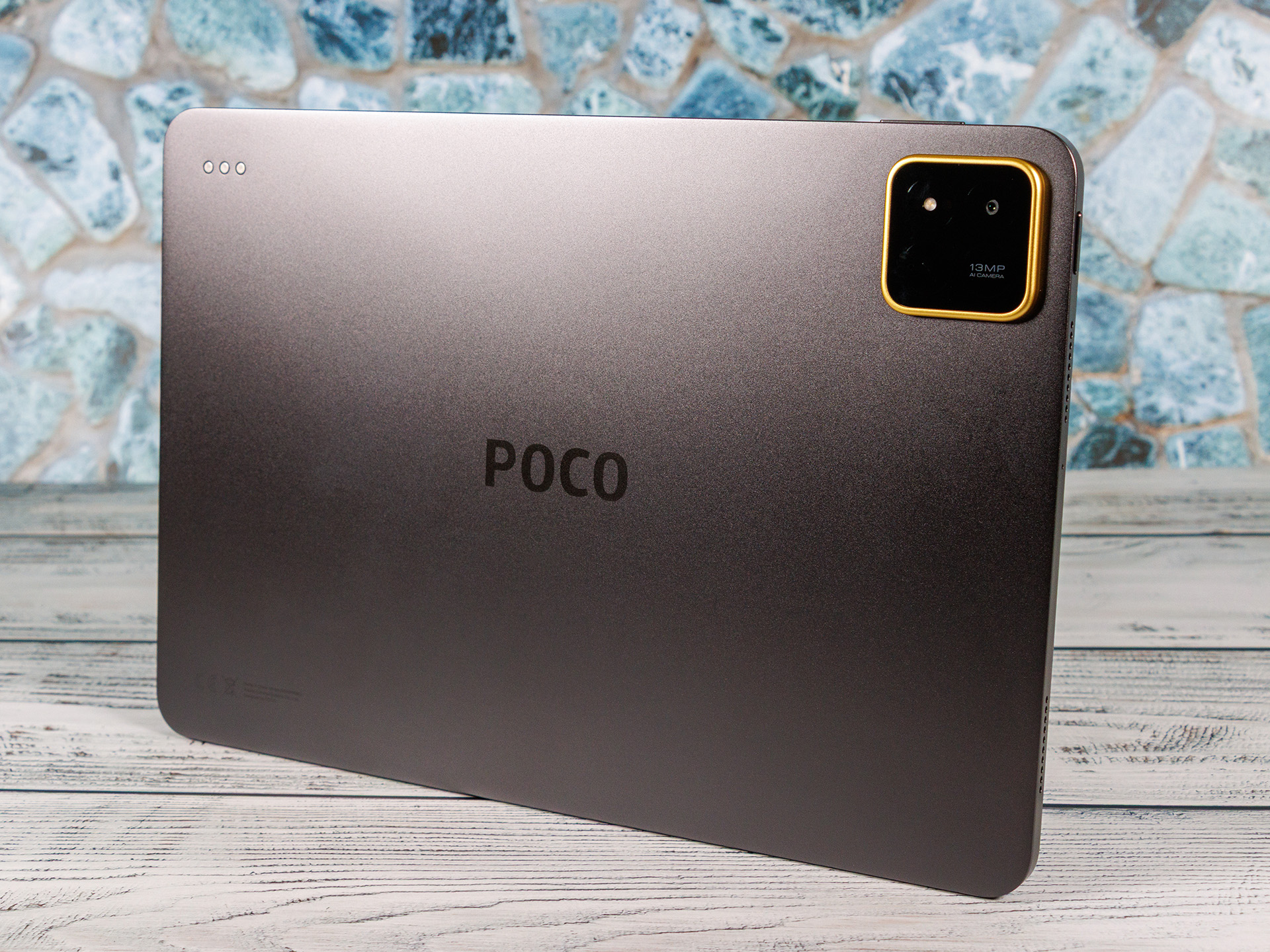
Das Xiaomi Poco Pad X1 ist ein 11,2-Zoll-Tablet der Mittelklasse Android mit einem Snapdragon 7+ Gen 3, das sich an Nutzer richtet, die sowohl produktiv arbeiten als auch spielen möchten. In den Rezensionen werden das helle, scharfe 3:2 IPS-Display mit einer Auflösung von 3200 x 2136 und einer Bildwiederholfrequenz von 144 Hz, die solide Leistung beim Multitasking und selbst bei anspruchsvollen Spielen sowie die zuverlässige Akkulaufzeit des 8850-mAh-Akkus hervorgehoben. Anschlussausstattung und die Funktionen sind modern, einschließlich Wi-Fi 6, Bluetooth 5.4, NFC, USB-C mit Power Delivery und Dolby Vision/Atmos-Unterstützung. Mit einer Gesamtbewertung von etwa 66% wird das Tablet als kompetent, aber nicht als klassenführend angesehen. Die Kritik konzentriert sich vor allem auf den Wert: Während das Tablet allein mit einem Preis von etwa 349 Dollar (Frühbucherpreis) angemessen ist, sind die optionale schwebende Tastatur und der Focus Pen kostspielig, so dass ein komplettes Setup auf 700 Dollar ansteigt. Bei diesem Gesamtpreis argumentieren mehrere Rezensenten, dass es besser ausbalancierte Alternativen gibt, obwohl sie das Poco Pad X1 immer noch als ein starkes Arbeitstier und eine attraktive Option für Studenten und budgetbewusste Power-User ansehen, die auf Zubehör verzichten oder es einschränken.
Ausstattung / Datenblatt
Secondary Camera: 8 MPix (OV08D10, 1/4", 1.12 µm, f/2.28, 18 mm)
Preisvergleich
Durchschnitt von 4 Bewertungen (aus 8 Tests)
Testberichte für das Xiaomi Poco Pad X1
Mit dem Poco Pad X1 greift Xiaomi das klassische iPad an und offeriert nicht nur eine bessere Ausstattung, sondern auch einen niedrigeren Preis, ohne Kompromisse bei der Qualität eingehen zu müssen. Das perfekte Tablet für jeden?
Quelle: Techradar
 EN→DE
EN→DEThe Poco Pad X1 is a very well-rounded tablet for a very appealing price – though availability seems frustratingly limited. It might be nigh-on identical to the Xiaomi Pad 7, and it's not without annoyances, but it remains a smooth operator with solid performance and an excellent display.
Einzeltest, online verfügbar, Kurz, Datum: 18.12.2025
Bewertung: Gesamt: 80% Preis: 80% Leistung: 70% Bildschirm: 100% Mobilität: 60% Gehäuse: 80%
Quelle: Yanko Design
EN→DEThe Poco Pad X1 and Poco Pad M1 end up serving two somewhat different roles. If you prioritize performance, the Poco Pad X1 is the clear choice. The Snapdragon 7+ Gen 3, 3.2K 144 Hz display, 512 GB storage, and excellent Floating Keyboard make it feel like a serious little work and gaming machine, even if the full setup gets expensive and you give up the headphone jack and SD slot. If you care more about big-screen comfort and value, the Poco Pad M1 quietly wins. The 12.1-inch 2.5K screen, quad speakers, 3.5 mm jack, microSD expansion, huge battery, and cheaper accessories make it a better fit for big-screen media and everyday productivity. Whichever way you lean, you are getting more tablet than the price suggests. For context, Apple’s base iPad costs $449 with only 64 GB of storage and a 60 Hz screen.
Vergleich, online verfügbar, Lang, Datum: 13.12.2025
Bewertung: Preis: 90% Leistung: 80% Ergonomie: 70%
Quelle: Trusted Reviews
EN→DEAll told, I’ve been very pleasantly surprised by the Poco Pad X1. It offers the sort of convenience and capability you’d want from any tablet. And to my mind is one of the best bang-for-buck iPad alternatives on the market. If you want an Android tablet that offers a lot of versatility, so that you can switch between work mode, media consumption, gaming or even casual creativity, you can do it all with this, especially if you go all in on the pencil and keyboard accessories. Sure it could be a little less laggy, have better cameras and sound, but at this price, it’s difficult to fault.
Einzeltest, online verfügbar, Lang, Datum: 03.12.2025
Bewertung: Gesamt: 90%
Quelle: Yugatech
EN→DESo, that wraps up our review on the POCO Pad X1. We're glad to say that it's a favorable pickup, with nods to its performance, battery life, and immersive audio. Our gripes with the tablet are pretty minimal, which include the bigger POCO logo change and absence of Circle to Search. Come to think of it, the real bummer here is the tablet stepping away from the 3.5mm port and expandable storage. Still, the pros very much outweigh the cons. The design change is subjective, plus we're optimistic that the Circle to Search function will get resolved sooner than later. The tablet itself runs smoothly on most occasions, comes with great uptime, and provides a well-rounded audio-visual experience. Well, we've made it to the end, but unfortunately, we didn't have the official price of the POCO Pad X1 at the time of writing. For reference, the POCO Pad was priced at PHP 15,999, so readers should expect it to be within this range.
Einzeltest, online verfügbar, Lang, Datum: 30.11.2025
Quelle: Phone Arena
EN→DEThat's a complex question with no easy answer. At $349 (early bird price), the Poco Pad X1 looks like a decent deal. The chipset is snappy, the screen is bright and crisp, and there are a slew of accessories that can transform this tablet into a productivity machine. The bad news is that these accessories cost extra, the Floating Keyboard, albeit awesome, costs $199, and the Focus Pen will set you back another $99. In the end, the whole package ends up pushing $700, and for that amount of money, there are better options out there.
Einzeltest, online verfügbar, Lang, Datum: 28.11.2025
Bewertung: Gesamt: 66% Leistung: 59% Bildschirm: 60% Mobilität: 71% Gehäuse: 80%
Quelle: Tech Spurt
Reviewing Xiaomi's POCO Pad X1, an upgraded version of their original budget tablet with similar specs to the Redmi Pad 2. Performance has been boosted for gaming and the battery life is great, but is the 11-inch POCO Pad X1 your best affordable Android tablet option? Well, if you want to stay productive on the go (student perhaps?), this is a strong rival vs the Honor Pad V9 and OnePlus Pad Lite. You've got a Snapdragon 7 Gen 3 on board, which can happily cope with multi-tasking and handle games too. Even Wuthering Waves was playable on the Xiaomi POCO Pad X1 in my testing. Battery life is dependable while the IPS screen is sharp and pumps out natural colours. Of course, this isn't one of the best tablets for movies, with that 3:2 aspect ratio. But films still look and sound great (with Dolby Vision and Atmos support).
Einzeltest, online verfügbar, Sehr Lang, Datum: 27.11.2025
Quelle: ben's gadget reviews
Poco has two "new" tablets. I put the word new in quote marks because we have seen the hardware before somewhere... Still, even if these are rebranded devices, they're excellent tablets for their price, especially the Poco Pad X1, a flagship level tablet that is a very capable productivity machine.
Einzeltest, online verfügbar, Lang, Datum: 26.11.2025
Kommentar
Qualcomm Adreno 732: Die Qualcomm Adreno 732 ist eine integrierte Grafikeinheit, welche im Snapdragon 7+ Gen 3 zum Einsatz kommt. Qualcomm taktet den Grafikchip mit bis zu 950 MHz. Es sind 2 Pipelines und 768 Shader-Einheiten mit insgesamt 1.536 Shadern verfügbar.
Diese Klasse ist noch durchaus fähig neueste Spiele flüssig darzustellen, nur nicht mehr mit allen Details und in hohen Auflösungen. Besonders anspruchsvolle Spiele laufen nur in minimalen Detailstufen, wodurch die grafische Qualität oft deutlich leidet. Diese Klasse ist nur noch für Gelegenheitsspieler empfehlenswert. Der Stromverbrauch von modernen Grafikkarten in dieser Klasse ist dafür geringer und erlaubt auch bessere Akkulaufzeiten.
» Weitere Informationen gibt es in unserem Notebook-Grafikkartenvergleich und der Benchmarkliste.
SD 7+ Gen 3: Mittelklasse SoC mit 8 Kryo Kernen (1x ARM Cortex-X4 2,8 GHz Prime Core, 4x ARM Cortex A720 2,8 GHz Performance-Cluster, 3x ARM Cortex A520 mit 1,9 Effizienz-Cluster) und einem X63 5G Modem. Der Chip wird im modernen 4nm Prozess gefertigt.» Weitere Infos gibt es in unserem Prozessorvergleich Vergleich mobiler Prozessoren und der Prozessoren Benchmarkliste .
Geräte mit der selben Bildschirmgröße und/oder ähnlichem Gewicht
Laptops des selben Herstellers
 Als bevorzugte Quelle auf Google hinzufügen


