




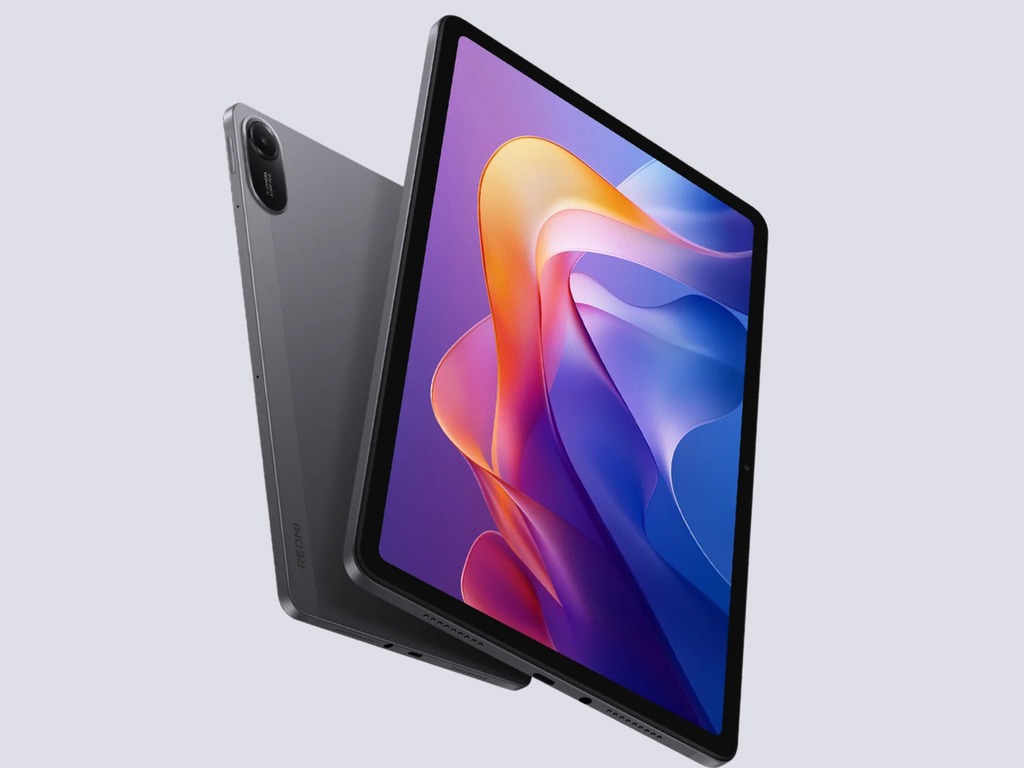
Xiaomi Redmi Pad 2 9.7
Pro
Contra
Ausstattung / Datenblatt
Secondary Camera: 5 MPix (f/2.2, FF, 1/5")
Preisvergleich
Durchschnitt von 3 Bewertungen (aus 13 Tests)
Testberichte für das Xiaomi Redmi Pad 2 9.7
Das preiswerte Xiaomi-Tablet mit dem neuen Qualcomm Snapdragon 6s 4G Gen 2 besitzt ein helles 120-Hz-Display und eine gute Ausstattung inklusive langer Updates zum kleinen Preis. Das günstige Android-Tablet besitzt mit dem Redmi Stylus For Pad auch einen optionalen Stift. Beim genauen Hinsehen zeigt sich allerdings ein Speicherproblem, das Sparfüchse vor dem Kauf kennen sollten.Update: Kameraaufnahmen, Bilder zum Außeneinsatz und zu den Blickwinkeln sowie Spieletest ergänzt
Quelle: Tablet Blog

Das Xiaomi Redmi Pad 2 9.7 ist ein erschwingliches 9,7-Zoll-Tablet, das sich überraschend hochwertig anfühlt. Es bietet ein schnelles sowie scharfes Display, eine gute Akkulaufzeit und läuft trotz seines älteren Prozessors sehr flott. Allerdings ist der Zeitraum für den Software-Support nicht bekannt, und es gibt auf dem Markt 11-Zoll-Android-Tablets mit einem besseren Preis-Leistungs-Verhältnis, die für Gamer die bessere Wahl sind.
Einzeltest, online verfügbar, Kurz, Datum: 07.07.2026
Bewertung: Gesamt: 70%
Ausländische Testberichte
Quelle: Tech X Reviews
 EN→DE
EN→DEAfter spending some time with the Redmi Pad 2 9.7-inch, I can confidently say that it offers great value for its price. The upgrades to the display, performance, and design make it a significant improvement over its predecessor, and the competitive pricing makes it an attractive option for those on a budget. While there are some limitations to consider, such as the RAM configuration and gaming performance, the Redmi Pad 2 9.7-inch is still a great choice for entertainment and everyday use.
Einzeltest, online verfügbar, Sehr kurz, Datum: 15.07.2026
Quelle: Yugatech
Vergleich, online verfügbar, Lang, Datum: 21.05.2026
Quelle: Yugatech
EN→DEAfter spending time with the Redmi Pad 2 9.7, it’s clear that this is a device built around everyday convenience. It’s the kind of tablet you pick up for watching videos, reading, or getting through school tasks without needing something too powerful or complicated. The display is enjoyable for media, battery life is reliable enough to last through a full day, and features like the headphone jack and 4G connectivity make it more practical in real-world use. At the same time, it’s not without its compromises. Performance can feel a bit inconsistent at times, and the 4GB RAM does limit how smooth the overall experience can be, especially when multitasking. Still, if your usage leans more toward casual and routine tasks rather than demanding workloads, the Redmi Pad 2 9.7 ends up being a sensible option. It’s easy to use, easy to carry, and gets the basics done without much fuss, which, for a lot of users, is really what matters most.
Einzeltest, online verfügbar, Sehr Lang, Datum: 02.05.2026
Quelle: Quotidiano Hardware Upgrade
 IT→DE
IT→DEEinzeltest, online verfügbar, Mittel, Datum: 06.07.2026
Quelle: Mister Gadget
IT→DEEinzeltest, online verfügbar, Sehr kurz, Datum: 28.05.2026
Quelle: Mister Gadget
IT→DEEinzeltest, online verfügbar, Sehr kurz, Datum: 28.05.2026
Quelle: Les Numeriques
 FR→DE
FR→DEEinzeltest, online verfügbar, Lang, Datum: 07.06.2026
Bewertung: Gesamt: 60% Leistung: 40% Bildschirm: 80% Mobilität: 90% Ergonomie: 60%
Quelle: Co Nowego
 PL→DE
PL→DEEinzeltest, online verfügbar, Kurz, Datum: 21.05.2026
Quelle: FPT shop
 VN→DE
VN→DEEinzeltest, online verfügbar, Sehr kurz, Datum: 27.07.2026
Quelle: The Gioididong
VN→DEEinzeltest, online verfügbar, Kurz, Datum: 15.06.2026
Quelle: Vat Vo Studio
VN→DEEinzeltest, online verfügbar, Mittel, Datum: 01.06.2026
Kommentar
Qualcomm Adreno 610: Grafikchip für Smartphones und Tablets, integriert im Qualcomm Snapdragon 665 SoC. Die Performance ist vergleichbar mit dem alten Adreno 512 und daher in der unteren Mittelklasse.
Diese Karten können nur sehr alte und sehr anspruchslose 3D Spiele flüssig darstellen. Anwendungen wie Office, Internet surfen, Bildbearbeitung oder (SD) Videoschnitt sind jedoch ohne große Einschränkungen möglich.
» Weitere Informationen gibt es in unserem Notebook-Grafikkartenvergleich und der Benchmarkliste.
SD 6s 4G Gen 2: Umbenannter Snapdragon 662 - Mittelklasse SoC mit 8 Kryo 260 Kernen (4x 2,9GHz Kryo 260 Gold Cortex-A73 Derivat, 4x 1,9GHz Kryo 260 Silver - Cortex-A53 Derivat) und einem X11 LTE Modem (bis zu 390 Mbps Download). Hergestellt in 6 nm LPP.» Weitere Infos gibt es in unserem Prozessorvergleich Vergleich mobiler Prozessoren und der Prozessoren Benchmarkliste .
Geräte mit der selben Grafikkarte
Laptops des selben Herstellers
 Als bevorzugte Quelle auf Google hinzufügen


