




Asus ROG Ally Z1
Ausstattung / Datenblatt
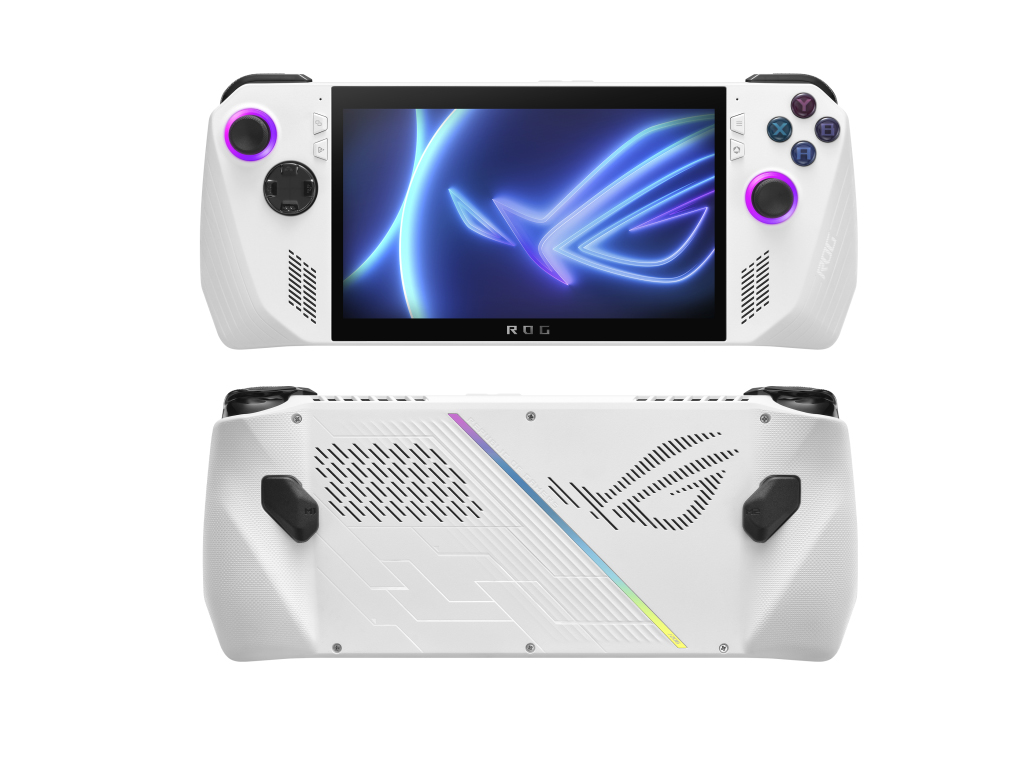
Preisvergleich
Durchschnitt von 2 Bewertungen (aus 8 Tests)
Testberichte für das Asus ROG Ally Z1
Quelle: Tech Critter
 EN→DE
EN→DEAnd I truly wish that chip is in the Ally X. Perhaps the battery life could be extended even further too. Now then, I have a dilemma. Since I am already using an ROG Ally, should I upgrade to the Ally X? Is it even considered an upgrade since the performance is the same, but I get a bunch of quality of life improvements on the Ally X? As for the price, the ROG Ally X is at RM4,299 – which is a whole thousand more than the ROG Ally when it was first announced. Given that the Ally has come down in price, it’s not easy to pick between the Ally and the Ally X. Remember – Ally X has a lot of upgrades over the original Ally, but ultimately – you still get the same level of performance at double the battery life and no more annoying fan noise.
Vergleich, online verfügbar, Lang, Datum: 12.09.2024
Quelle: Hubwood
Vergleich, online verfügbar, Lang, Datum: 31.07.2024
Quelle: Hubwood
Vergleich, online verfügbar, Sehr Lang, Datum: 22.07.2024
Quelle: Hardware Zone
EN→DEThe ROG Ally undeniably ups the ante, showcasing a more refined design, an operating system that's easier to navigate, and a superior gaming prowess. However, its price tag, which is twice that of the Steam Deck, puts it in the same range as entry-level gaming laptops, making it a tough sell for some. The performance it delivers is striking for a device you can hold in your hands, boasting an average 10fps lead over the Steam Deck. But it's not an open-and-shut case. The device has a hard time reaching frame rates high enough to take full advantage of the 120Hz refresh rate. Add to that, certain games like Returnal are unplayable, even with graphics settings dialed down. Additionally, the relatively short battery life is a concern, especially for a device that's designed to offer the convenience of portability over a gaming laptop.
Einzeltest, online verfügbar, Sehr Lang, Datum: 03.03.2024
Bewertung: Gesamt: 85% Leistung: 85% Gehäuse: 85%
Quelle: Trusted Reviews
EN→DEThe Asus ROG Ally provides improvements upon the Steam Deck formula in most areas, with the more streamlined nature of Valve’s software being that devices main coup over the Asus. But, it offers a sleeker chassis, a more open operating system as well as faster gaming performance. You will have to fork out around twice the price of the Steam Deck to get this machine though. There’s now key competition at a similar price now too, with the Lenovo Legion Go offering a larger and higher resolution display, as well as the neat trick of detachable controllers. However, the Asus ROG Ally beats it for its first-party software experience, portability and more satisying controls. Performance is impressive given the fact this is a handheld system but, with a typical 10fps improvement on the Steam Deck, it’s not significant enough to be a no-brainer purchase. It’s difficult to hit a high enough frame rate to make the most of the 120Hz refresh rate and some games, such as Returnal, are unplayable even with compromised graphics settings.
Einzeltest, online verfügbar, Sehr Lang, Datum: 16.02.2024
Bewertung: Gesamt: 80%
Quelle: Hubwood
Vergleich, online verfügbar, Sehr Lang, Datum: 17.12.2023
Quelle: Cell Phones
 VN→DE
VN→DEPositive: Beautiful design; high mobility; powerful hardware; nice gaming performance.
Einzeltest, online verfügbar, Lang, Datum: 28.01.2024
Kommentar
AMD Radeon 740M: Integrierte Grafikkarte in den Phoenix Ryzen APUs basierend auf der RDNA 3 Architektur mit 4 CUs (= 256 Shader) und einer Taktrate von bis zu 2.500 MHz.
Diese Klasse ist noch durchaus fähig neueste Spiele flüssig darzustellen, nur nicht mehr mit allen Details und in hohen Auflösungen. Besonders anspruchsvolle Spiele laufen nur in minimalen Detailstufen, wodurch die grafische Qualität oft deutlich leidet. Diese Klasse ist nur noch für Gelegenheitsspieler empfehlenswert. Der Stromverbrauch von modernen Grafikkarten in dieser Klasse ist dafür geringer und erlaubt auch bessere Akkulaufzeiten.
» Weitere Informationen gibt es in unserem Notebook-Grafikkartenvergleich und der Benchmarkliste.
Z1: Mittelklasse-Mobil-6-Kern Prozessor mit 12 Threads. Taktet mit maximal 5 GHz auf einem Kern. Nutzt die Zen 4 Architektur und hat einen konfigurierbaren TDP von 9-30 Watt.» Weitere Infos gibt es in unserem Prozessorvergleich Vergleich mobiler Prozessoren und der Prozessoren Benchmarkliste .
 Als bevorzugte Quelle auf Google hinzufügen