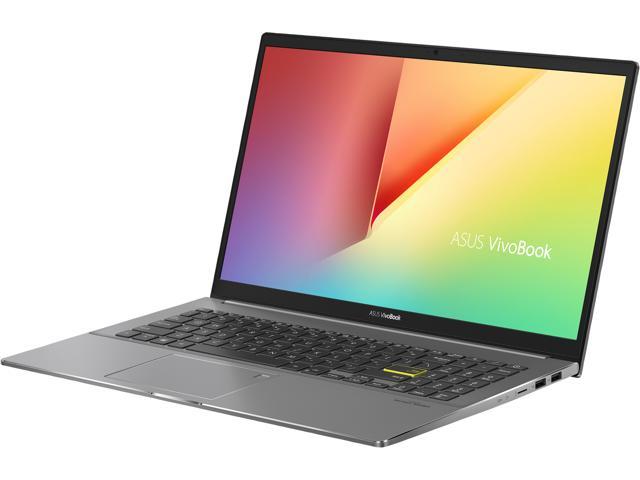




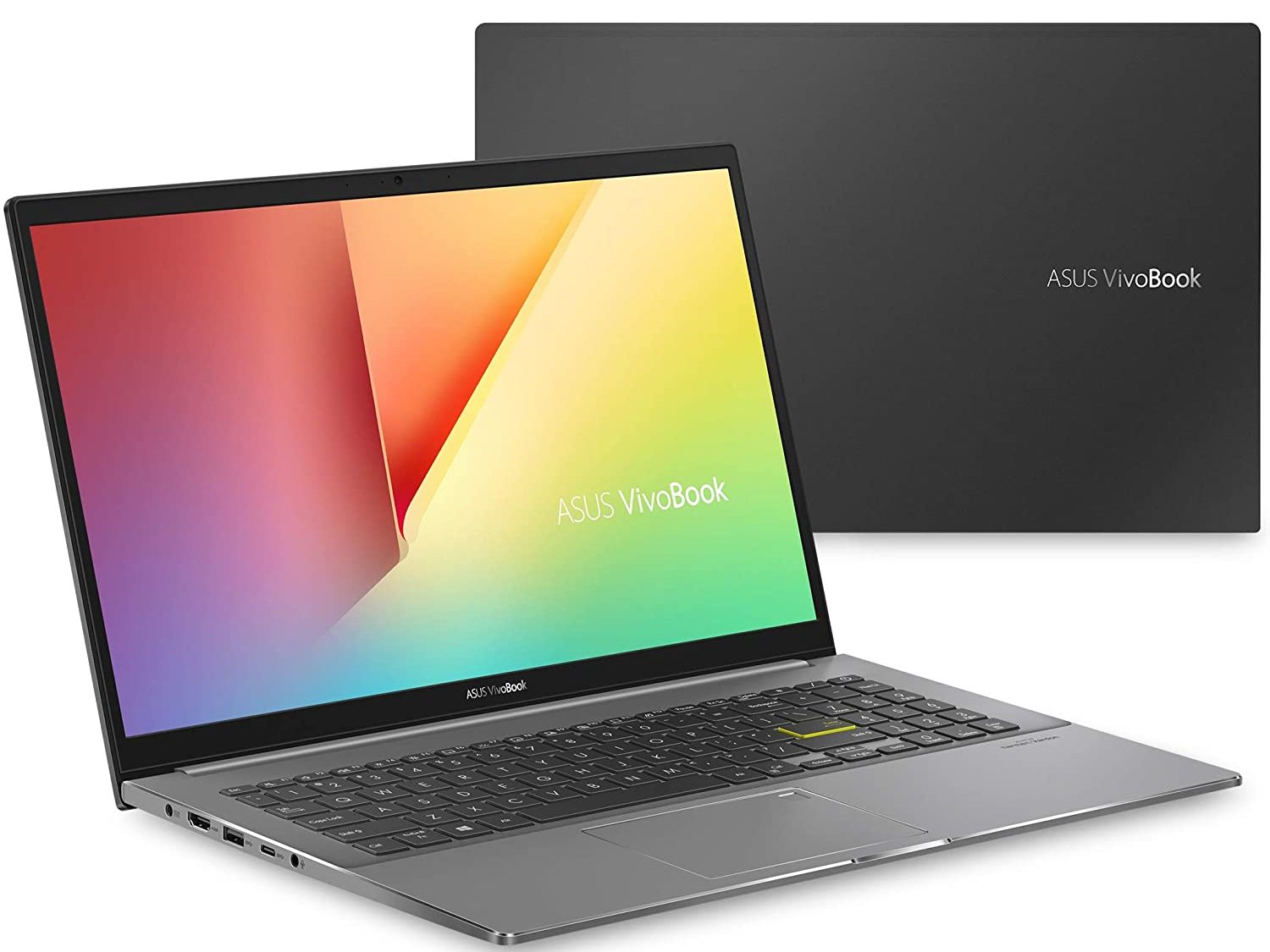
Asus VivoBook S15 S533FL-BQ024T
Ausstattung / Datenblatt
Preisvergleich
Durchschnitt von 2 Bewertungen (aus 4 Tests)
Testberichte für das Asus VivoBook S15 S533FL-BQ024T
Quelle: Hardware Zone
 EN→DE Archive.org version
Overall performance is pretty good, and battery life is remarkable for such a large notebook. Furthermore, despite the larger display, it isn’t too thick or heavy to carry around. But a few things prevent the VivoBook S15 from getting a higher score. Some of the most important keys on the keyboard are squashed, the trackpad is too small for a notebook of this size, and it doesn’t support USB-C charging. They aren’t necessarily dealbreakers but they are certainly annoying enough for me to mention them again here.
Einzeltest, online verfügbar, Sehr Lang, Datum: 04.10.2020
Bewertung: Gesamt: 75% Preis: 80% Leistung: 80% Mobilität: 85% Gehäuse: 75%
Quelle: Hardware Zone
EN→DE Archive.org versionOverall performance is pretty good, and battery life is remarkable for such a large notebook. Furthermore, despite the larger display, it isn’t too thick or heavy to carry around. But a few things prevent the VivoBook S15 from getting a higher score. Some of the most important keys on the keyboard are squashed, the trackpad is too small for a notebook of this size, and it doesn’t support USB-C charging. They aren’t necessarily dealbreakers but they are certainly annoying enough for me to mention them again here.
Einzeltest, online verfügbar, Sehr Lang, Datum: 29.09.2020
Bewertung: Gesamt: 75% Preis: 80% Leistung: 80% Mobilität: 85% Gehäuse: 75%
Quelle: 3DNews.ru
 RU→DE Archive.org version
Positive: Premium design; solid workmanship; nice ergonomy; high performance; decent hardware; high portability.
Einzeltest, online verfügbar, Sehr Lang, Datum: 09.09.2020
Quelle: i2Hard
RU→DE Archive.org versionPositive: Stylish design; metal case; loud speakers; decent processor; nice gaming performance; bright display; fast charging; good cooling and silent system. Negative: Uncomfortable keyboard.
Einzeltest, online verfügbar, Sehr Lang, Datum: 10.08.2020
Kommentar
NVIDIA GeForce MX250: Umbenannte MX150 und damit weitherhin Pascal GP108 basierende Notebook-Grafikkarte und mobile Version der GT 1030. Bietet 384 Shader und meist 2 GB GDDR5 Grafikspeicher. Die Taktraten sind ev. etwas oberhalb der MX150 angesiedelt. Weiterhin als normale (25 Watt) und langsamere Stromsparvariante (10 Watt) erhältlich.
Diese Klasse ist noch durchaus fähig neueste Spiele flüssig darzustellen, nur nicht mehr mit allen Details und in hohen Auflösungen. Besonders anspruchsvolle Spiele laufen nur in minimalen Detailstufen, wodurch die grafische Qualität oft deutlich leidet. Diese Klasse ist nur noch für Gelegenheitsspieler empfehlenswert. Der Stromverbrauch von modernen Grafikkarten in dieser Klasse ist dafür geringer und erlaubt auch bessere Akkulaufzeiten.
» Weitere Informationen gibt es in unserem Notebook-Grafikkartenvergleich und der Benchmarkliste.
i7-10510U: Auf der Comet Lake-Architektur basierender ULV-SoC (System-on-a-Chip) für schlanke Notebooks und Ultrabooks. Integriert unter anderem vier CPU-Kerne mit 1,8 - 4,9 GHz (4,3 GHz für alle 4 Kerne) und HyperThreading sowie eine Grafikeinheit und wird in 14-Nanometer-Technik (14nm++) gefertigt. Unterstützt bis zu LPDDR3-2133/DDR4-2666 Dual-Channel Hauptspeicher. Per cTDP up/down kann der Stromverbrauch und die Leistung vom Notebookhersteller von 10 auf 25 Watt eingestellt werden. Die CPU unterstützt kein vPro.» Weitere Infos gibt es in unserem Prozessorvergleich Vergleich mobiler Prozessoren und der Prozessoren Benchmarkliste .
 Als bevorzugte Quelle auf Google hinzufügen