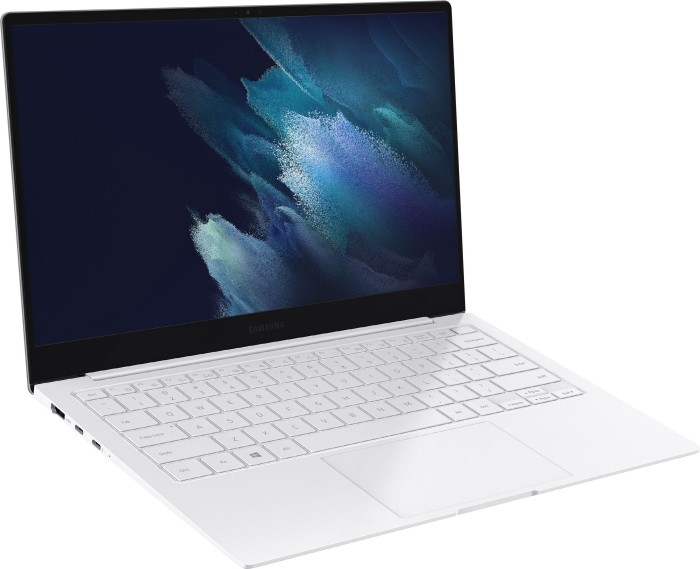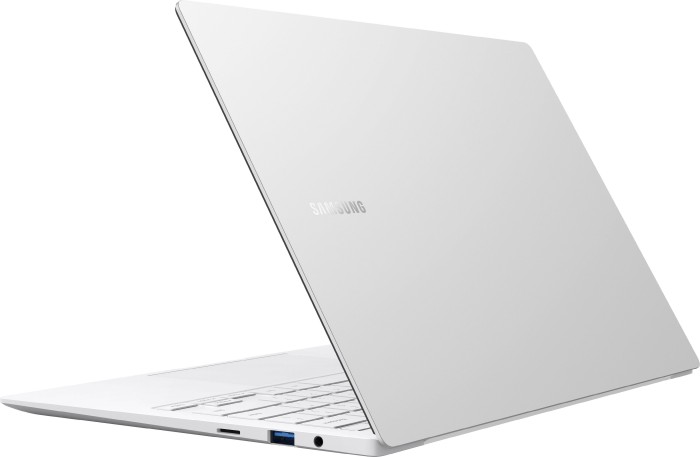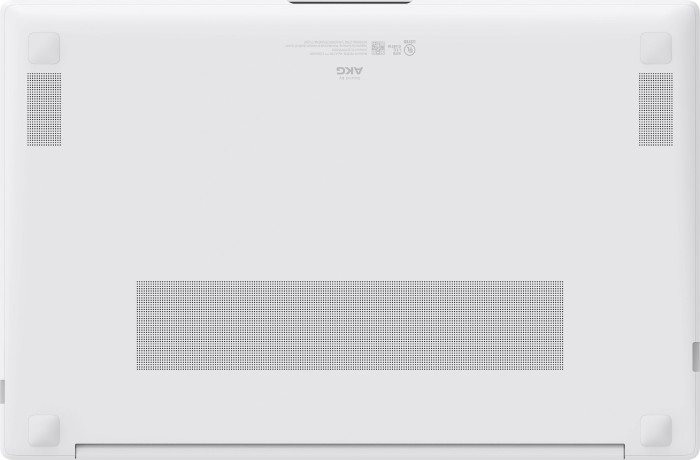




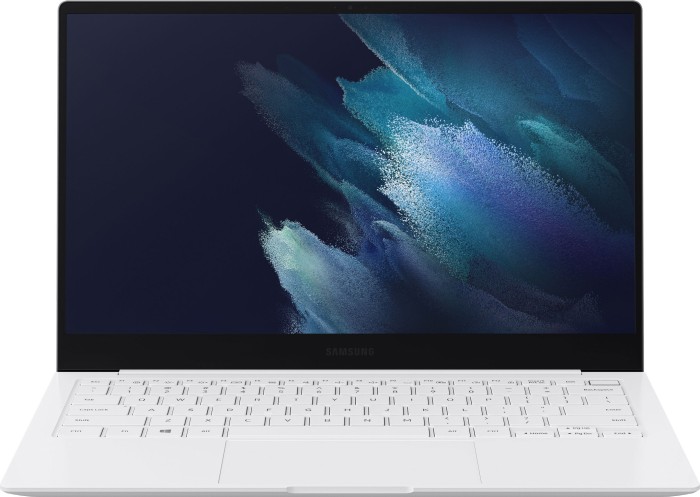
Samsung Galaxy Book Pro 13 NP930XDB-KH1US
Ausstattung / Datenblatt
Preisvergleich
Durchschnitt von 3 Bewertungen (aus 3 Tests)
Testberichte für das Samsung Galaxy Book Pro 13 NP930XDB-KH1US
Quelle: The Verge
 EN→DE Archive.org version
My feelings on the 13-inch Galaxy Book Pro are easy to sum up: it’s the perfect travel companion. It’s light, it’s well-built, it lasts a long time, and I can see the screen outside. If I’m going on a trip, there is no other consumer laptop I’d rather have with me. The word “consumer” is, of course, doing a lot of work in that sentence. That’s because this combination of features is available in the business space and have been hallmarks of the best business laptops for years. Asus’ ExpertBook is close to this device’s weight and lasts significantly longer. But consumers travel, too, and they should have options that accommodate an on-the-go lifestyle without the exorbitant prices attached to enterprise purchases. For that reason, I’m glad the 13-inch Galaxy Book Pro exists, even if its boring aesthetic and aspect ratio mean it wouldn’t be my laptop of choice. It’s my top recommendation for anyone who goes a lot of places or anyone who just wants something really, really light.
Einzeltest, online verfügbar, Lang, Datum: 06.12.2021
Bewertung: Gesamt: 85%
Quelle: PC Mag
EN→DE Archive.org versionOf course it's a Windows laptop, but as odd as it sounds, we found ourselves thinking of the super-light Samsung Galaxy Book Pro as if it were a really great Chromebook—too short on horsepower, memory, and storage for demanding content creation or video editing jobs, but a pleasure to use for everyday word processing, spreadsheeting, presentations, email, and browsing. It doesn't earn our highest recommendation because there are too many great ultraportables that can be configured with 16GB of RAM or 1TB SSDs, but it fills a nice niche at a reasonable price.
Einzeltest, online verfügbar, Lang, Datum: 26.10.2021
Bewertung: Gesamt: 70%
Quelle: Everyeye.it
 IT→DE Archive.org version
Einzeltest, online verfügbar, Mittel, Datum: 28.08.2021
Bewertung: Gesamt: 87%
Kommentar
Intel Iris Xe G7 80EUs: Integrierte Grafikkarte (in Tiger-Lake G4 SoCs) der Gen. 12 Architektur mit 80 EUs. Z.B. in Tiger Lake i5 CPUs verbaute iGPU.
Diese Klasse ist noch durchaus fähig neueste Spiele flüssig darzustellen, nur nicht mehr mit allen Details und in hohen Auflösungen. Besonders anspruchsvolle Spiele laufen nur in minimalen Detailstufen, wodurch die grafische Qualität oft deutlich leidet. Diese Klasse ist nur noch für Gelegenheitsspieler empfehlenswert. Der Stromverbrauch von modernen Grafikkarten in dieser Klasse ist dafür geringer und erlaubt auch bessere Akkulaufzeiten.
» Weitere Informationen gibt es in unserem Notebook-Grafikkartenvergleich und der Benchmarkliste.
i5-1135G7: Auf der Tiger-Lake-Architektur basierender ULV-SoC (System-on-a-Chip) für schlanke Notebooks und Ultrabooks. Integriert unter anderem vier CPU-Kerne mit 2,4 - 4,2 GHz und HyperThreading sowie eine starke G7 Grafikeinheit mit 80 Eus und wird in 10-Nanometer-Technik gefertigt (10nm+). » Weitere Infos gibt es in unserem Prozessorvergleich Vergleich mobiler Prozessoren und der Prozessoren Benchmarkliste .
 Als bevorzugte Quelle auf Google hinzufügen