



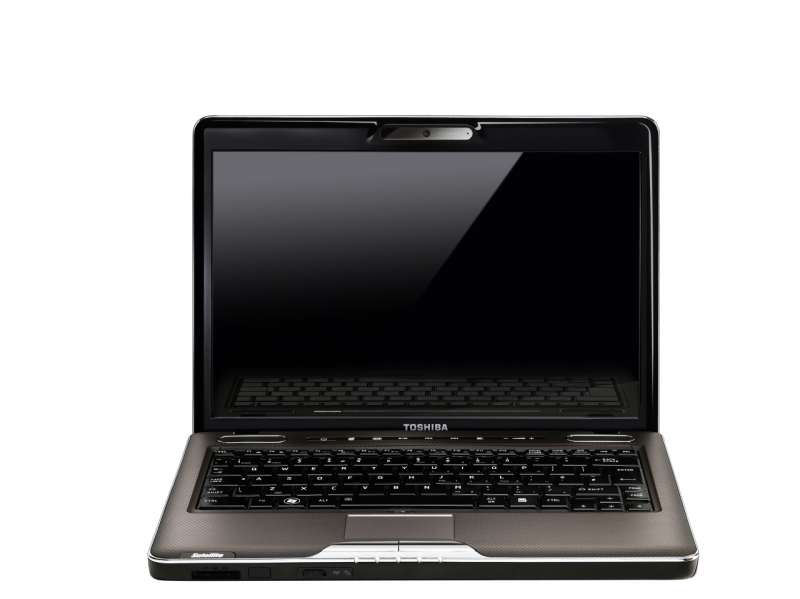
Toshiba Satellite U500-178
Ausstattung / Datenblatt
Preisvergleich
Durchschnitt von 2 Bewertungen (aus 2 Tests)
Testberichte für das Toshiba Satellite U500-178
Quelle: Trusted Reviews
 EN→DE Archive.org version
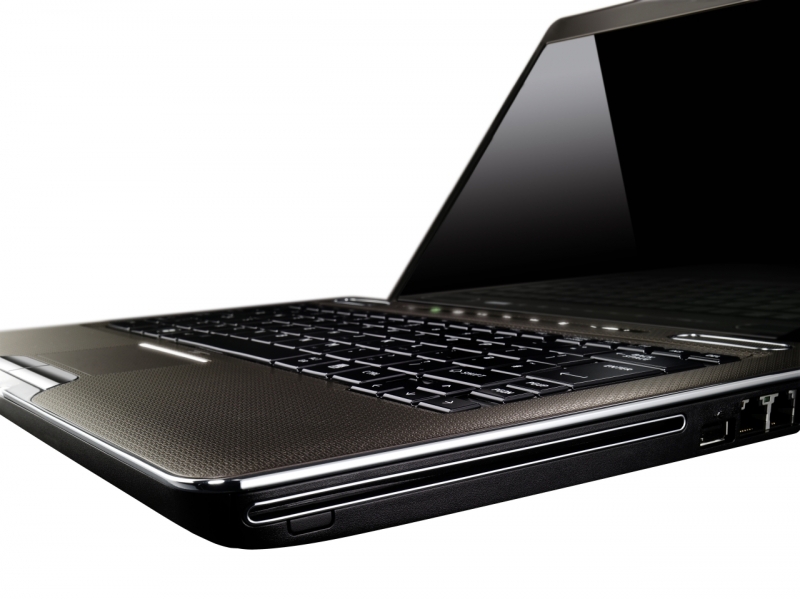
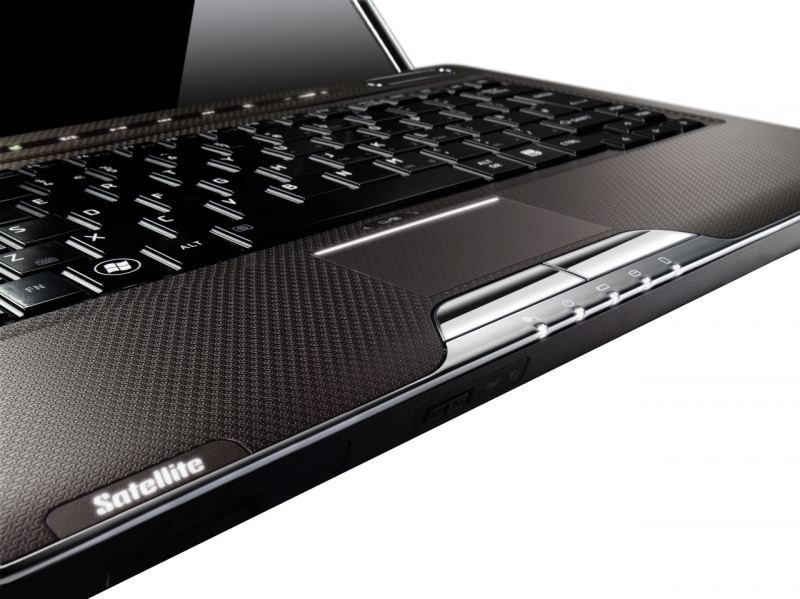
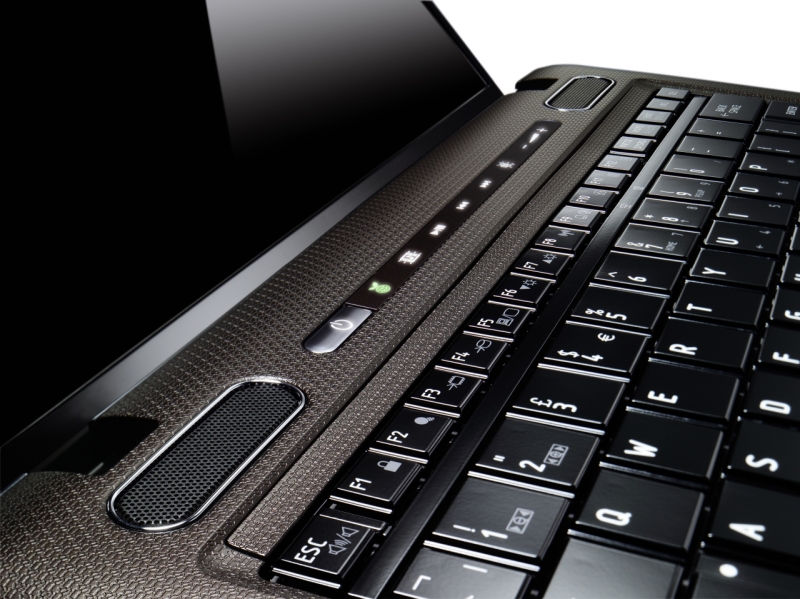
There's plenty to like about Toshiba's Satellite U500-178: it's very fast, portable and offers excellent connectivity, both wired and wireless. It also has one or two outstanding features, such as the backlit keyboard and the ability to charge USB devices even when switched off. In use, however, it's ultimately let down by mediocre battery life and a slightly sub-par keyboard, but if you don't mind buying an extra battery then its performance and varied features still warrant it a place on your shortlist.
Einzeltest, online verfügbar, Lang, Datum: 20.11.2009
Bewertung: Gesamt: 80% Preis: 80% Leistung: 80% Ausstattung: 90% Mobilität: 60%
Quelle: Pocket Lint
EN→DE Archive.org versionToshiba’s Satellite U500-178 is a highly portable laptop that’s great for either home use or a life on the move. With a 13.3-inch screen, it’s small enough to slip into most laptop bags, yet also packs in a powerful Nvidia GeForce G 210M graphics card. Although the quality of the keyboard lets it down, the Toshiba Satellite U500-178 is a great machine for those wanting to combine their desktop PC and laptop. It’s easily small enough to take to work with you each day, yet provides outstanding office and multimedia performance. A great all-rounder, and well worth a look.
Einzeltest, online verfügbar, Mittel, Datum: 02.11.2009
Bewertung: Gesamt: 80%
Kommentar
NVIDIA GeForce G210M: Die GeForce G210M besitzt, wie die alte GeForce G 110M 16 Shaderkerne jedoch konnte sie dank 40nm Prozess bei selben Stromverbrauch deutlich höher getaktet werden (bei um 50% verringertem Stromverbrauch ohne Last).
Diese Karten können nur sehr alte und sehr anspruchslose 3D Spiele flüssig darstellen. Anwendungen wie Office, Internet surfen, Bildbearbeitung oder (SD) Videoschnitt sind jedoch ohne große Einschränkungen möglich.
» Weitere Informationen gibt es in unserem Notebook-Grafikkartenvergleich und der Benchmarkliste.
Intel Core 2 Duo: Core Duo Nachfolger mit längerer Pipeline und 5-20% Geschwindigkeitszuwachs bei 0.5 - 3 Watt mehr Stromverbrauch.
Der Notebook Core 2 Duo ist baugleich mit den Desktop Core 2 Duo Prozessoren, jedoch werden die Notebook-Prozessoren mit niedrigeren Spannungen und geringerem Frontsidebus Takt betrieben. Von der Leistung bleiben gleichgetaktete Notebooks deswegen (und auch wegen der langsameren Festplatten) 20-25% hinter Desktop PCs.
P8700:
Mittelklasse Zweikern Notebookprozessor mit relativ geringem Stromverbrauch und 3 MB Level 2 Cache. Die schnelleren Versionen besitzen bereits 6 MB Cache.
» Weitere Infos gibt es in unserem Prozessorvergleich Vergleich mobiler Prozessoren und der Prozessoren Benchmarkliste .
 Als bevorzugte Quelle auf Google hinzufügen