




Xiaomi 15T
Pro
Contra
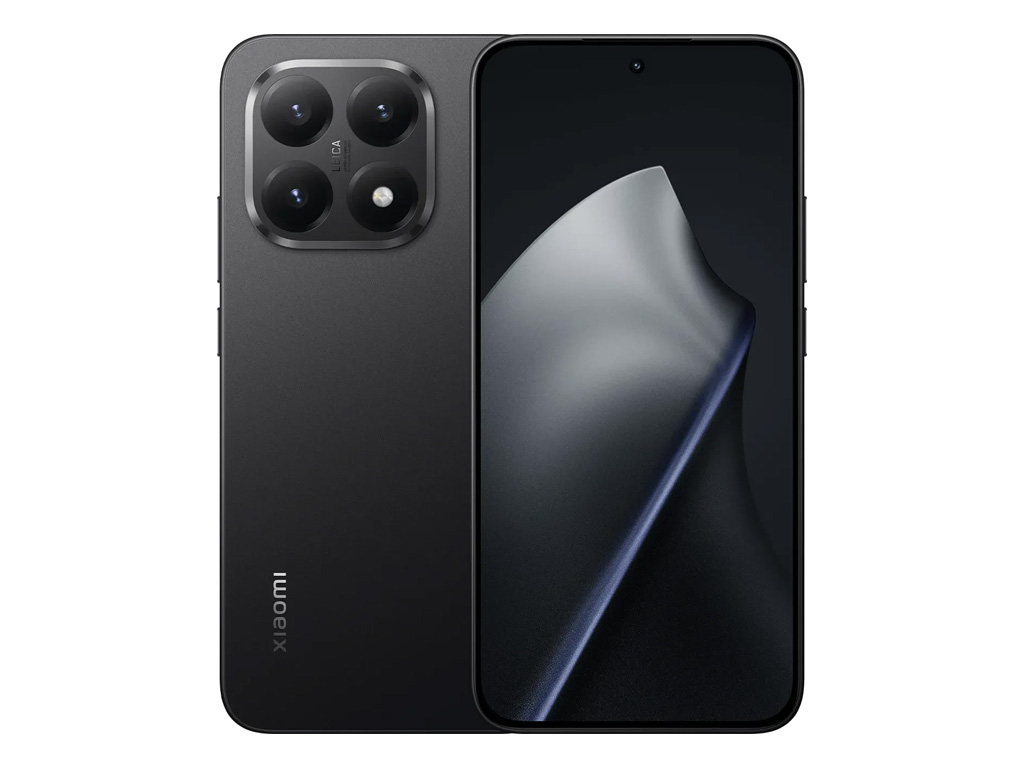
Das Xiaomi 15T ist ein Mittelklasse-Smartphone, das gegenüber dem 14T einige Verbesserungen bietet, darunter ein größeres 6,83-Zoll-Display mit 120 Hz, einen MediaTek Dimensity 8400 Chipsatz und 12 GB RAM. Rezensenten heben die starke Kameraleistung, die solide Akkulaufzeit und die Flaggschiff-ähnlichen Funktionen zu einem wettbewerbsfähigen Preis von 700 € hervor. Der Dimensity 8400 und die Mali-G720 MP7 GPU sorgen für eine gute Leistung im Alltag und leichte Spiele. Anhaltende Software-Irritationen und das Fehlen einer entscheidenden neuen Funktion sind die Hauptkritikpunkte. Im Vergleich liegt das Pixel 9a bei der Kamera und der Software vor dem iPhone 16e und das 15T bei der Leistung zwischen diesen Alternativen. Insgesamt ist das 15T ein kompetentes, wertorientiertes Telefon, aber kein Muss für Besitzer des 14T.


Ausstattung / Datenblatt
Secondary Camera: 32 MPix (f/2.2, FF, Videos @2160p/30fps)
Preisvergleich
Durchschnitt von 44 Bewertungen (aus 84 Tests)
Testberichte für das Xiaomi 15T
Wer ein preiswertes Handy mit moderner Optik und einem klasse Preis-Leistungs-Verhältnis sucht, sollte das Xiaomi 15T auf jeden Fall auf dem Schirm haben. Durch der Preisrutsch ist das Mittelklasse-Handy mit seiner starken Ausstattung fast schon ein Schnäppchen, wenn Premium-Features keine Rolle für einen Kauf spielen. Update: Android 16, Akku-Tests abgeschlossen, Bespielvideo & Zubehörfotos ergänzt
Quelle: O2

Das Xiaomi 17T ist im direkten Vergleich das stärkere Smartphone. Es bietet den leistungsfähigeren Chip, den größeren Akku, die höhere Displayhelligkeit, ein stärker auf Reichweite ausgelegtes Teleobjektiv und zusätzliche Videofunktionen. Auch das kabelgebundene Reverse Charging ist ein Extra, das in vielen Situationen hilfreich sein kann.
Vergleich, online verfügbar, Sehr kurz, Datum: 28.05.2026
Quelle: Computerbild
Die T-Modelle gelten als erschwingliche Alternative zu den Top-Smartphones von Xiaomi, die aktuellen Versionen 15T und 15T Pro überzeugen im Test auf ganzer Linie. Doch wie groß sind die Unterschiede zwischen beiden Modellen? Wir haben im Labor nachgemessen.
Vergleich, online verfügbar, Sehr kurz, Datum: 15.05.2026
Bewertung: Gesamt: 94%
Quelle: Computerbild
Das Xiaomi 15T ist im Kunststoffrahmen nicht ganz so wertig wie das Xiaomi 15T Pro, aber allemal besser und schicker als sein Vorgänger Xiaomi 14T. Das Xiaomi 15T Pro ist aber schneller, hält etwas länger durch und ist mit stärkerem Tele, WiFi 7 und induktivem Laden besser ausgestattet. Davon abgesehen schlägt sich das Xiaomi 15T im Alltag aber so gut, dass Sie das Pro wohl eher selten vermissen. Somit ist das 15T mit einer Gesamtnote von 1,3 ein Top-Smartphone, besonders, da der Preis von ursprünglich 650 Euro inzwischen teils unter 450 Euro gefallen ist. Und spätestens hier kann das Xiaomi 15T Pro nicht mehr mithalten.
Vergleich, online verfügbar, Sehr kurz, Datum: 22.04.2026
Bewertung: Gesamt: 94%
Quelle: Computerbild
Xiaomis neue T-Modelle haben nichts Billiges mehr an sich. Es sind richtig gute Handys. Das Xiaomi 15T ist im Kunststoffrahmen nicht ganz so wertig wie das Xiaomi 15T Pro, aber besser und schicker als sein Vorgänger. Das Xiaomi 15T Pro ist das beste Xiaomi-Smartphone überhaupt! Es ist schneller, hält etwas länger durch und ist mit stärkerem Tele, WiFi 7 und induktivem Laden besser ausgestattet als das 15T. Davon abgesehen schlägt sich das Xiaomi 15T im Alltag aber so gut, dass Sie das Pro wohl eher selten vermissen.
Einzeltest, online verfügbar, Mittel, Datum: 06.03.2026
Bewertung: Gesamt: 94%
Quelle: Computerbild
Das Honor 400 Pro hat im Test auf ganzer Linie überzeugt und gehört zu den besten Handys, die man unter 500 Euro kriegen kann. Das behauptet Xiaomi vom neuen 15T auch. Der direkte Vergleich zeigt, welches Smartphone der bessere Kauf ist. Das Honor 400 Pro hat im direkten Duell Honor 400 Pro gegen Honor Magic 7 Pro frech das Top-Modell des Herstellers bezwungen. Hier ist also Vorsicht geboten. Ein neuer Herausforderer versucht es trotzdem: Das Xiaomi 15T kommt mit einer UVP von 650 Euro. In der Theorie ist es also 150 Euro günstiger als das Honor. Tatsächlich starten die besten Angebote für das 400 Pro schon unter 500 Euro und das Xiaomi 15T rutscht kurz nach dem Marktstart in diese Preisklasse. Bei gleicher Speichergröße ist das Xiaomi 15T nur noch rund 30 Euro günstiger. Der Vergleich klärt, welches Smartphone der bessere Kauf ist.
Vergleich, online verfügbar, Kurz, Datum: 02.03.2026
Bewertung: Gesamt: 94%
Quelle: Computerbild
Das Xiaomi 15T ist im Kunststoffrahmen nicht ganz so wertig wie das Xiaomi 15T Pro, aber allemal besser und schicker als sein Vorgänger Xiaomi 14T. Das Xiaomi 15T Pro ist aber schneller, hält etwas länger durch und ist mit stärkerem Tele, WiFi 7 und induktivem Laden besser ausgestattet. Davon abgesehen schlägt sich das Xiaomi 15T im Alltag aber so gut, dass Sie das Pro wohl eher selten vermissen. Somit ist das 15T mit einer Gesamtnote von 1,3 ein Top-Smartphone, besonders, da der Preis von ursprünglich 650 Euro inzwischen teils unter 450 Euro gefallen ist. Und spätestens hier kann das Xiaomi 15T Pro nicht mehr mithalten.
Vergleich, online verfügbar, Sehr kurz, Datum: 19.02.2026
Bewertung: Gesamt: 94%
Quelle: Computerbild
Xiaomis neue T-Modelle haben nichts Billiges mehr an sich. Es sind richtig gute Handys. Das Xiaomi 15T ist im Kunststoffrahmen nicht ganz so wertig wie das Xiaomi 15T Pro, aber besser und schicker als sein Vorgänger. Das Xiaomi 15T Pro ist das beste Xiaomi-Smartphone überhaupt! Es ist schneller, hält etwas länger durch und ist mit stärkerem Tele, WiFi 7 und induktivem Laden besser ausgestattet als das 15T. Davon abgesehen schlägt sich das Xiaomi 15T im Alltag aber so gut, dass Sie das Pro wohl eher selten vermissen. Mit seiner Ausgewogenheit lässt das 15T sogar das superschnelle Poco F7 Ultra mit Qualcomms-Top-Prozessor hinter sich. Spannend wird es auch, wenn die Preise eine vergleichbare Entwicklung wie bei Xiaomi 14T und Xiaomi 14T Pro einschlagen. Das Xiaomi 14T ist mittlerweile für unter 400 Euro und das Xiaomi 14T Pro für unter 500 Euro erhältlich. Somit können nicht nur die Early-, sondern auch die Late-Birds sparen. In jedem Fall hat das Xiaomi 15T die Mission „Besser als zuvor“ souverän erfüllt.
Einzeltest, online verfügbar, Mittel, Datum: 19.02.2026
Bewertung: Gesamt: 94%
Quelle: Computerbild
Das Honor 400 Pro liefert einmal mehr eine überzeugende Vorstellung. Es verliert lediglich den direkten Display-Vergleich aufgrund der geringeren maximalen Helligkeit bei Standardinhalten und das Ausstattungskapitel, weil Xiaomis Offline-Kommunikation belohnt werden sollte. Trotzdem hat es ein klasse Display und ist super ausgestattet. Bei Akku, Tempo und Kamera lässt es dem Xiaomi 15T keine Chance. Und dann sind da ja noch innovative KI-Funktionen zum Generieren von Videos. Das alles steckt in einem wunderbar handlichen Gehäuse. Der Mehrpreis ist im Vergleich zum Xiaomi 15T gut angelegt. Das Xiaomi 15T ist ein sehr gutes Smartphone für den Alltag mit gutem Tempo, starker Ausdauer, tollem Display, guter Kamera und gefälligem Gehäuse.
Vergleich, online verfügbar, Kurz, Datum: 14.02.2026
Bewertung: Gesamt: 94%
Quelle: Chip.de
Das Samsung Galaxy S25 (Test) ist das Standardmodell der südkoreanischen Flaggschiff-Serie. Es ist etwas schwächer als die Ultra- und Plus-Versionen, dafür aber auch günstiger. In ähnlicher Weise bedient der chinesische Hersteller Xiaomi unterschiedliche Preisklassen: Die Top-Modelle sind genauso teuer wie die Premium-Handys von Samsung. Das Xiaomi 15T (Test) hingegen ist deutlich preiswerter und bietet dennoch eine überzeugende Hardware. Auf den ersten Blick sind sich Xiaomi 15T und Samsung Galaxy S25 recht ähnlich. In unserer Handy-Bestenliste schneiden sie fast mit der gleichen Gesamtnote ab. Schaut man jedoch auf die Einzelaspekte, gibt es deutliche Unterschiede. Die wichtigsten Fakten sehen Sie in der folgenden Tabelle. Danach vergleichen wir die beiden Smartphones im Detail miteinander.
Vergleich, online verfügbar, Sehr kurz, Datum: 09.02.2026
Bewertung: Gesamt: 96% Leistung: 93% Bildschirm: 100%
Quelle: Computerbild
Das Xiaomi 15T ist im Kunststoffrahmen nicht ganz so wertig wie das Xiaomi 15T Pro, aber allemal besser und schicker als sein Vorgänger Xiaomi 14T. Das Xiaomi 15T Pro ist aber schneller, hält etwas länger durch und ist mit stärkerem Tele, WiFi 7 und induktivem Laden besser ausgestattet. Davon abgesehen schlägt sich das Xiaomi 15T im Alltag aber so gut, dass Sie das Pro wohl eher selten vermissen. Somit ist das 15T mit einer Gesamtnote von 1,3 ein Top-Smartphone, besonders, da der Preis von ursprünglich 650 Euro inzwischen teils unter 450 Euro gefallen ist. Und spätestens hier kann das Xiaomi 15T Pro nicht mehr mithalten.
Vergleich, online verfügbar, Kurz, Datum: 02.02.2026
Bewertung: Gesamt: 94%
Quelle: Computerbild
Das Xiaomi 15T ist im Kunststoffrahmen nicht ganz so edel und auch nicht so schnell wie das Xiaomi 15T Pro, aber besser und schicker als sein Vorgänger. Wer auf induktives Laden verzichten kann und sich an einem Kunststoffrahmen nicht stört, bekommt hier ein richtig gutes Handy mit tollem Display und starker Ausdauer.
Einzeltest, online verfügbar, Mittel, Datum: 29.01.2026
Bewertung: Gesamt: 94%
Quelle: Chip.de
Das Xiaomi 15T Pro erfreut uns im Test vor allem mit seiner starken Kamera. Die Hauptlinse auf der Rückseite sorgt im Test für eine hohe Detailtreue und klare Kontraste. Die Telekamera ermöglicht einen hochwertigen fünffachen optischen Zoom und bietet einen 100-fachen Digitalzoom als nette Spielerei. Schöne Videos drehen wir in knackscharfen 8K oder in 4K mit geschmeidigen 120 Bildern pro Sekunde. Das 6,8 Zoll große, sehr helle OLED-Display zeigt Inhalte bei 144 Hertz besonders flüssig an. Der MediaTek Dimensity 9400 Plus liefert High-End-Leistung, die mit deutlich teureren Geräten vergleichbar ist. Der Akku kommt an diese mit einer Laufzeit von rund 15,5 Stunden im Test aber nicht ganz heran. Bei 90 Watt lädt das Xiaomi 15T dafür innerhalb von etwa einer halben Stunde wieder vollständig auf. Die übrige Ausstattung ist ansprechend: Wi-Fi 7, 5G-Mobilfunk, eSIM, NFC, solide Stereo-Lautsprecher und ein exzellent verarbeitetes, handliches Gehäuse.
Vergleich, online verfügbar, Kurz, Datum: 28.01.2026
Bewertung: Gesamt: 96% Leistung: 93% Bildschirm: 100% Mobilität: 95%
Quelle: Computerbild
Das Honor 400 Pro liefert einmal mehr eine überzeugende Vorstellung. Es verliert lediglich den direkten Display-Vergleich aufgrund der geringeren maximalen Helligkeit bei Standardinhalten und das Ausstattungskapitel, weil Xiaomis Offline-Kommunikation belohnt werden sollte. Trotzdem hat es ein klasse Display und ist super ausgestattet. Bei Akku, Tempo und Kamera lässt es dem Xiaomi 15T keine Chance. Und dann sind da ja noch innovative KI-Funktionen zum Generieren von Videos. Das alles steckt in einem wunderbar handlichen Gehäuse. Der Mehrpreis ist im Vergleich zum Xiaomi 15T gut angelegt. Das Xiaomi 15T ist ein sehr gutes Smartphone für den Alltag mit gutem Tempo, starker Ausdauer, tollem Display, guter Kamera und gefälligem Gehäuse.
Vergleich, online verfügbar, Kurz, Datum: 25.01.2026
Bewertung: Gesamt: 94%
Quelle: Computerbild
Das Honor 400 Pro liefert einmal mehr eine überzeugende Vorstellung. Es verliert lediglich den direkten Display-Vergleich aufgrund der geringeren maximalen Helligkeit bei Standardinhalten und das Ausstattungskapitel, weil Xiaomis Offline-Kommunikation belohnt werden sollte. Trotzdem hat es ein klasse Display und ist super ausgestattet. Bei Akku, Tempo und Kamera lässt es dem Xiaomi 15T keine Chance. Und dann sind da ja noch innovative KI-Funktionen zum Generieren von Videos. Das alles steckt in einem wunderbar handlichen Gehäuse. Der Mehrpreis ist im Vergleich zum Xiaomi 15T gut angelegt. Das Xiaomi 15T ist ein sehr gutes Smartphone für den Alltag mit gutem Tempo, starker Ausdauer, tollem Display, guter Kamera und gefälligem Gehäuse. Im direkten Vergleich mit dem Honor 400 Pro muss es aber klein beigeben.
Vergleich, online verfügbar, Kurz, Datum: 14.01.2026
Bewertung: Gesamt: 97%
Quelle: Computerbild
Das Xiaomi 15T ist im Kunststoffrahmen nicht ganz so edel und auch nicht so schnell wie das Xiaomi 15T Pro, aber besser und schicker als sein Vorgänger. Wer auf induktives Laden verzichten kann und sich an einem Kunststoffrahmen nicht stört, bekommt hier ein richtig gutes Handy mit tollem Display und starker Ausdauer.
Einzeltest, online verfügbar, Mittel, Datum: 07.01.2026
Bewertung: Gesamt: 97%
Quelle: Computerbild
Das Xiaomi 15T ist im Kunststoffrahmen nicht ganz so edel und auch nicht so schnell wie das Xiaomi 15T Pro, aber besser und schicker als sein Vorgänger. Wer auf induktives Laden verzichten kann und sich an einem Kunststoffrahmen nicht stört, bekommt hier ein richtig gutes Handy mit tollem Display und starker Ausdauer.
Einzeltest, online verfügbar, Kurz, Datum: 18.12.2025
Bewertung: Gesamt: 97%
Quelle: ChinaMobileMag
Das Xiaomi 15T erscheint zunächst auf dem Papier wie ein interessantes Gesamtpaket, ist nach einem genaueren Blick aber doch eher als sinnfreies Modell einzustufen. Die vielversprechende Kamera entpuppt sich in der Praxis doch eher als heiße Luft und kann nicht im Ansatz mit dem Pro Modell mithalten. Tatsächlich gibt es einige günstigere Xiaomi Handys, welche bei der Kamera gleich oder sogar besser abschneiden. Den gemessen an der Ausstattung relativ hohen Preis des Xiaomi 15T zahlt man also weniger für die Kamera an sich, als für das Leica Branding. Wer auf die Kamera-Leistung Wert legt, sollte also definitiv die 100€ mehr auf den Tisch legen und zum Pro-Modell greifen. Zwar kommt auch dieses nicht ganz ohne Schwächen daher, macht aber trotzdem in allen Bereichen die besseren Bilder.
Einzeltest, online verfügbar, Mittel, Datum: 11.12.2025
Quelle: Heise
Das Xiaomi 15T bietet – ähnlich wie sein Vorgänger – ein stimmiges Gesamtpaket aus starkem Display, hoher Systemleistung und vielseitiger Triple-Kamera mit Telelinse. Für rund 400 Euro erhält man ein leistungsfähiges Smartphone, das auch Fotofans zufriedenstellen dürfte. Optisch ähnelt das 15T stark dem Pro-Modell, wirkt aber durch das Kunststoffgehäuse weniger hochwertig. Technisch bleibt der Fortschritt gegenüber dem Vorgänger überschaubar: Das Teleobjektiv bietet nur zweifachen optischen Zoom, während viele Konkurrenten hier mehr bieten. Auch beim Software-Support kann Xiaomi nicht ganz mit den Updatestrategien von Google, Samsung oder OnePlus mithalten. Wer jedoch ein schnelles, gut ausgestattetes Smartphone mit brillantem Display und solider Kamera sucht, bekommt mit dem Xiaomi 15T ein empfehlenswertes Gerät zu einem sehr fairen Preis.
Einzeltest, online verfügbar, Kurz, Datum: 08.12.2025
Bewertung: Gesamt: 90%
Quelle: Computerbild
Das Honor 400 Pro liefert einmal mehr eine überzeugende Vorstellung. Es verliert lediglich den direkten Display-Vergleich aufgrund der geringeren maximalen Helligkeit bei Standardinhalten und das Ausstattungskapitel, weil Xiaomis Offline-Kommunikation belohnt werden sollte. Trotzdem hat es ein klasse Display und ist super ausgestattet. Bei Akku, Tempo und Kamera lässt es dem Xiaomi 15T keine Chance. Und dann sind da ja noch innovative KI-Funktionen zum Generieren von Videos. Das alles steckt in einem wunderbar handlichen Gehäuse. Der Mehrpreis ist im Vergleich zum Xiaomi 15T gut angelegt. Das Xiaomi 15T ist ein sehr gutes Smartphone für den Alltag mit gutem Tempo, starker Ausdauer, tollem Display, guter Kamera und gefälligem Gehäuse. Im direkten Vergleich mit dem Honor 400 Pro muss es aber klein beigeben.
Vergleich, online verfügbar, Kurz, Datum: 06.12.2025
Bewertung: Gesamt: 97%
Quelle: Computerbild
Das Xiaomi 15T ist im Kunststoffrahmen nicht ganz so edel und auch nicht so schnell wie das Xiaomi 15T Pro, aber besser und schicker als sein Vorgänger. Wer auf induktives Laden verzichten kann und sich an einem Kunststoffrahmen nicht stört, bekommt hier ein richtig gutes Handy mit tollem Display und starker Ausdauer.
Einzeltest, online verfügbar, Mittel, Datum: 03.12.2025
Bewertung: Gesamt: 97%
Quelle: Computerbild
Xiaomis neue T-Modelle haben nichts Billiges mehr an sich. Es sind richtig gute Handys. Das Xiaomi 15T ist im Kunststoffrahmen nicht ganz so wertig wie das Xiaomi 15T Pro, aber besser und schicker als sein Vorgänger. Das Xiaomi 15T Pro ist das beste Xiaomi-Smartphone überhaupt! Es ist schneller, hält etwas länger durch und ist mit stärkerem Tele, WiFi 7 und induktivem Laden besser ausgestattet als das 15T. Davon abgesehen schlägt sich das Xiaomi 15T im Alltag aber so gut, dass Sie das Pro wohl eher selten vermissen. Mit seiner Ausgewogenheit lässt das 15T sogar das superschnelle Poco F7 Ultra mit Qualcomms-Top-Prozessor hinter sich. Spannend wird es auch, wenn die Preise eine vergleichbare Entwicklung wie bei Xiaomi 14T und Xiaomi 14T Pro einschlagen. Das Xiaomi 14T ist mittlerweile für unter 400 Euro und das Xiaomi 14T Pro für unter 500 Euro erhältlich. Somit können nicht nur die Early-, sondern auch die Late-Birds sparen. In jedem Fall hat das Xiaomi 15T die Mission „Besser als zuvor“ souverän erfüllt.
Einzeltest, online verfügbar, Mittel, Datum: 31.10.2025
Bewertung: Gesamt: 97%
Quelle: Smartzone
Das Xiaomi 15T ist ein fast durchweg gelungenes Mittelklasse-Smartphone, das für seinen Preis viel zu bieten hat. In keiner Kerndisziplin leistet sich das Gerät eine gravierende Schwäche. Zu den Stärken zählt zweifellos das ausgezeichnete 120Hz-AMOLED-Display, das mit einer hohen Auflösung und guten Helligkeit überzeugt. Auch die Akkulaufzeit und Ladezeit sind gut. Dazu gibt es eine gute Verarbeitung mit IP68-Schutzklasse und der Mediatek-Prozessor liefert eine starke Leistung in der alltäglichen Nutzung. Das Xiaomi 15T macht aber auch ein paar Kompromisse. Der größte Kritikpunkt betrifft die Materialwahl: Das Gehäuse besteht vollständig aus Kunststoff und kann sich haptisch nicht von den günstigeren Redmi-Geräten absetzen.
Einzeltest, online verfügbar, Sehr Lang, Datum: 15.10.2025
Bewertung: Gesamt: 83% Leistung: 80% Bildschirm: 90% Mobilität: 80% Gehäuse: 80%
Quelle: PC Welt
Das Xiaomi 15T ist ein gut ausgestattetes Smartphone zu einem guten Preis. Das neue Design ist gelungen, und wenn man vom Kunststoffrahmen absieht, könnte man es leicht mit einem Flaggschiff-Handy verwechseln. Im Vergleich zum Vorgänger 14T gibt es kaum echte Neuerungen. Zwar sind Prozessor, Akku und Display etwas größer bzw. aktueller, doch das Display überzeugt weder bei Helligkeit noch Geschwindigkeit – und auch bei den Kameras hat sich nur wenig getan.Im Vergleich dazu hat das 15T Pro ein viel größeres Upgrade erfahren. Es verfügt über ein neues Fünffach-Teleobjektiv und ermöglicht 4K-Videoaufnahmen mit 120 Bildern pro Sekunde. Wenn Sie das 14T haben, werden Sie wahrscheinlich wenig Grund für einen Kauf sehen. Es sei denn, Sie interessieren sich für die neue Funktion Astral Communication, die derzeit auf dem Markt einzigartig ist. Sie ist derzeit nur mit Smartphones der 15T-Serie verfügbar. Bleibt zu hoffen, dass künftig mehr Xiaomi-Modelle diesen Standard übernehmen.
Einzeltest, online verfügbar, Lang, Datum: 13.10.2025
Bewertung: Gesamt: 80%
Quelle: Computerbild
Xiaomis neue T-Modelle haben nichts Billiges mehr an sich. Es sind richtig gute Handys. Das Xiaomi 15T ist im Kunststoffrahmen nicht ganz so wertig wie das Xiaomi 15T Pro, aber besser und schicker als sein Vorgänger. Das Xiaomi 15T Pro ist das beste Xiaomi-Smartphone überhaupt! Es ist schneller, hält etwas länger durch und ist mit stärkerem Tele, WiFi 7 und induktivem Laden besser ausgestattet als das 15T. Davon abgesehen schlägt sich das Xiaomi 15T im Alltag aber so gut, dass Sie das Pro wohl eher selten vermissen. Mit seiner Ausgewogenheit lässt das 15T sogar das superschnelle Poco F7 Ultra mit Qualcomms-Top-Prozessor hinter sich. Spannend wird es auch, wenn die Preise eine vergleichbare Entwicklung wie bei Xiaomi 14T und Xiaomi 14T Pro einschlagen. Das Xiaomi 14T ist mittlerweile für unter 400 Euro und das Xiaomi 14T Pro für unter 500 Euro erhältlich. Somit können nicht nur die Early-, sondern auch die Late-Birds sparen. In jedem Fall hat das Xiaomi 15T die Mission „Besser als zuvor“ souverän erfüllt.
Einzeltest, online verfügbar, Lang, Datum: 01.10.2025
Bewertung: Gesamt: 97%
Quelle: Chip.de
Im Test zeigt das Xiaomi 15T Pro, dass die T-Reihe bereits auf High-End-Niveau angekommen ist – insbesondere bei der Kamera. Die 50-Megapixel-Hauptlinse liefert detailreiche Aufnahmen mit tollen Farben und klaren Kontrasten, während die Telelinse einen schönen fünffachen optischen Zoom ermöglicht. Knackscharfe Videos lassen sich in bis zu 8K aufnehmen. Das 6,8 Zoll große OLED-Display überzeugt durch eine sehr hohe Helligkeit und Schärfe sowie eine geschmeidige Darstellung von 144 Hertz. Für eine starke Performance sorgt der MediaTek Dimensity 9400 Plus, dessen Leistung selbst mit nochmals teureren Geräten konkurrieren kann. Der Akku des Xiaomi 15T Pro hält im Test mit etwa 15,5 Stunden jedoch klar kürzer durch, lädt zeitgleich dank 90 Watt aber flott wieder voll auf. Die übrige Ausstattung ist modern und hochwertig.
Vergleich, online verfügbar, Mittel, Datum: 01.10.2025
Bewertung: Gesamt: 98% Preis: 70% Leistung: 100% Bildschirm: 100% Mobilität: 93%
Quelle: Chip.de
Das Xiaomi 15T schlägt sich im Test hervorragend. Die Einsparungen im Vergleich zum Pro-Modell fallen kaum ins Gewicht. So bewerten wir die Bildqualität der Kamera als gleichwertig super, obwohl die Hardware beim Zoom und bei der Videoaufnahme ein wenig beschränkt ist. Das 6,8 Zoll große OLED-Display ist sehr hell und zeigt gute Kontraste sowie satte Farben. Der MediaTek-Prozessor leistet eine tolle Arbeit, auch wenn es sich nicht um das Top-Modell handelt. Erfreulich lang hält der Akku durch: 16,5 Stunden Laufzeit bringen Sie gut durch den Tag. Das Laden geht ebenfalls flott, wenn auch nur per Kabel und nicht kabellos. Die Ausstattung des Xiaomi 15T ist hochwertig. Und das tolle Gesamtpaket gibt es zu einem durchaus fairen Preis von 650 Euro zum Testzeitpunkt.
Einzeltest, online verfügbar, Mittel, Datum: 25.09.2025
Bewertung: Gesamt: 97% Preis: 77% Leistung: 96% Bildschirm: 100% Mobilität: 95%
Quelle: Netzwelt
Xiaomi bringt mit dem Xiaomi 15T und dem Xiaomi 15T Pro zwei günstige Ableger seines Top-Smartphones Xiaomi 15 in den Handel. Wir verraten euch, wie sich die beiden Handys unterscheiden. Das Xiaomi 15T und 15T Pro lassen sich auf den ersten Blick kaum unterscheiden. Beide Handys sehen nicht nur fast identisch aus, sondern sind auch noch mit einer Bilddiagonale von 6,83 Zoll praktisch gleich groß. Eine Unterteilung in kleines Handy und "großer Bruder" ist hier anders als etwas beim Xiaomi 15 und Xiaomi 15 Ultra oder dem iPhone 17 Pro und Pro Max nicht möglich.
Vergleich, online verfügbar, Mittel, Datum: 24.09.2025
Ausländische Testberichte
Quelle: Techradar
 EN→DE
EN→DEThe Xiaomi 15T captures the essence of Xiaomi’s premium flagship smartphones, but without the premium price tag. It combines an excellent screen, a solid all-around camera, and a premium ergonomic feel with a decent mid-range processor and outstanding battery life. HyperOS takes some getting used to, but if you want an affordable yet premium smartphone that does all the core things right, the Xiaomi 15T is a fantastic choice.
Einzeltest, online verfügbar, Mittel, Datum: 22.05.2026
Bewertung: Gesamt: 80% Preis: 100% Leistung: 80% Bildschirm: 90% Mobilität: 80% Gehäuse: 80%
Quelle: Gadgetbyte Nepal
EN→DEAfter using the Xiaomi 15T for a full week, here’s my honest take: for 65,000, this phone gets a lot of things right. I loved the design, the IP68 rating, the flagship-level display, excellent haptics, loud speakers, stable performance, and reliable battery life. Gamers especially are going to love this. But if camera quality matters to you more than performance, then phones like the Galaxy A56 or Vivo V60 will serve you better. For everyone else, especially if you prioritize smooth performance and a premium display, the Xiaomi 15T is one of the best options in Nepal at this price.
Einzeltest, online verfügbar, Kurz, Datum: 27.11.2025
Bewertung: Gesamt: 80% Preis: 80% Leistung: 85% Bildschirm: 90% Mobilität: 85% Gehäuse: 85%
Quelle: OI Spice Tech News
EN→DEThe Xiaomi 15T, announced in September 2025, balances flagship-level features with an affordable price. It sports a 6.83-inch AMOLED display with a 1280 × 2772 pixel resolution (~447 ppi), producing incredibly sharp visuals. The screen supports 68 billion colors, Dolby Vision, and HDR10+, reaching a peak brightness of 3200 nits for excellent outdoor visibility. The 120Hz refresh rate ensures beautifully smooth scrolling, while 3840Hz PWM dimming makes it easier on the eyes during long sessions. The screen offers Mohs level 6 scratch resistance. You also get the robust IP68 dust and water resistance, as well as damage-resistant Corning Gorilla Glass 7i protection, making this a premium and durable package.
Einzeltest, online verfügbar, Sehr kurz, Datum: 18.11.2025
Quelle: The Tech Revolutionist
EN→DEThe Xiaomi 15T is a fuss-free, solid, and value-packed smartphone that performs like a flagship without costing like one. If you want a great camera, big display, long battery life, and an overall smooth experience, the 15T delivers all of that – and more – at a very attractive price. For S$599, it’s honestly hard to argue against.
Einzeltest, online verfügbar, Lang, Datum: 14.11.2025
Quelle: Mezha EN
EN→DEXiaomi 15T is a pleasant-to-use smartphone with a high-quality bright screen, high performance, a good main camera, long battery life, fast charging, loud stereo sound, and IP68 housing protection. However, given the price of the smartphone, I would like a metal and glass body instead of plastic. The telephoto and ultra-wide-angle cameras could also be better.
Einzeltest, online verfügbar, Sehr Lang, Datum: 14.11.2025
Bewertung: Gesamt: 80%
Quelle: GSM Arena
The Xiaomi 15T is here to carry the T-series torch for late 2025, and while it's technically the "vanilla" entry of the duo, it is anything but stripped down. Xiaomi's T-models have long been about offering a balance of performance and features that approach flagship territory without demanding full flagship pricing, and the 15T follows that formula closely. Check out our video review to learn ALL YOU NEED TO KNOW about the phone's top features, build and screen quality, battery life, performance, and camera image quality.
Einzeltest, online verfügbar, Lang, Datum: 17.10.2025
Quelle: GSM Arena
EN→DEThe Xiaomi 15T stays true to the T-series mission - to deliver an experience that comes impressively close to Xiaomi's true flagships while keeping the price in check. It's a phone that feels premium through and through, without trying to overreach. We came away quite impressed with how cohesive and well-rounded the package feels. The design may be understated, but the build quality is excellent. The IP68 rating (now rated for up to 3m submersion) adds real peace of mind, and despite the plastic mid-frame, the handset feels rigid and pleasant to the touch. The large 6.83-inch AMOLED display is a highlight - bright and smooth at 120 Hz. It's easily flagship-grade in all but the refresh-rate flexibility, which remains LTPS-based. Still, visibility outdoors is superb thanks to the 1500+ nit measured brightness.
Einzeltest, online verfügbar, Sehr Lang, Datum: 08.10.2025
Bewertung: Gesamt: 86%
Quelle: Phone Arena
EN→DEThe Xiaomi 15T is even harder to recommend than the Xiaomi 15T Pro. It sacrifices the best camera feature of the series, the 50MP periscope telephoto, for a redundant 2x zoom camera. The chipset inside is unimpressive, and there's no wireless charging. All of these drawbacks would've been forgivable if not for the starting price of €649 (roughly $750). It's an expensive phone for what it has to offer, and there are many better alternatives out there. You can get a Pixel 10 for that kind of money, an iPhone 17, or a Galaxy S25. These are readily available, and there are trade-in offers to smoothen the transition.
Einzeltest, online verfügbar, Lang, Datum: 02.10.2025
Bewertung: Gesamt: 66% Leistung: 68% Bildschirm: 80% Mobilität: 72% Gehäuse: 70%
Quelle: Tech Spurt
Reviewing the Xiaomi 15T, one of the best value mid-range smartphones boasting impressive gaming performance, dependable battery life and Leica camera tech. I've been testing the Xiaomi 15T as my full-time phone so here's my verdict! While this handset makes a few compromises vs the Pro model, it's still a well-specced smartphone that will suit most users. Those Dimensity 8400 Ultra brains can still cope with intensive gaming on Wuthering Waves and beyond. Likewise, the wireless charging support may be stripped, but the Xiaomi 15T still boasts all-day battery life, no stress. One of the biggest downgrades is the Leica Summilux camera tech. The main sensor is smaller, so low light performance isn't as strong, while the video abilities and zoom shooter are also less capable. Still, the Xiaomi 15T will spaff out decent looking photos in most conditions and is fine for home movies too.
Einzeltest, online verfügbar, Sehr Lang, Datum: 01.10.2025
Quelle: Tech Nave
EN→DEXiaomi's T series has always been known for its excellent value, bringing near-flagship features to a more affordable price range. The Xiaomi 15T Pro takes this strategy to a new level. It not only features the Leica Summilux imaging system but also introduces a 5x optical zoom lens for the first time in the Xiaomi T series. With the Xiaomi 15T series officially in Malaysia, Xiaomi fans would want to know whether the new phones are worthwhile deals. Can they set a new benchmark in this price segment with their flagship-level imaging and performance?
Vergleich, online verfügbar, Mittel, Datum: 30.09.2025
Quelle: Expert Reviews
EN→DEPutting aside the software irritations, the Xiaomi 15T doesn’t actively do much wrong. It’s just that it’s not much of an upgrade over its predecessor. The display is bigger, the battery capacity is slightly higher, and we have a new processor, but otherwise, there’s nothing to set it apart from the Xiaomi 14T. Moreover, while it performs well enough, it lacks a key selling point that makes it worth picking over similarly priced rivals. The Google Pixel 9a is still the best choice for cameras, software and battery life, while the iPhone 16e is the way to go if you want the most power you can get for your money. Sitting between these two titans, the Xiaomi 15T struggles to stand out in any meaningful way. It’s a solid enough smartphone, but I can’t see a situation in which I’d recommend that you buy it over either the Pixel 9a or the iPhone 16e.
Einzeltest, online verfügbar, Lang, Datum: 26.09.2025
Bewertung: Gesamt: 60%
Quelle: CG Mag Online
EN→DESo with all this said, is the 15T worth the upgrade? If you are still happily carrying last year’s 14T and are satisfied with its performance, I cannot say that it is worth the upgrade. The 14T is a solid phone, and while the 15T offers a few notable updates, notably improved performance, I still cannot see the need to upgrade. However, if you are using anything older or looking for a phone that offers some of the best on-board cameras I’ve ever seen on a smartphone, I think the 15T will be a phone that impresses and meets your needs exceptionally well. The Xiaomi 15T is a solid entry in the T lineup. It offers some good, albeit incremental, upgrades to its predecessor. A better processor, larger screen, and more battery all help elevate the 15T, while its excellent camera system and overall design work together to make Xiaomi’s latest offering worth considering. A solid entry to the T lineup, the 15T is a great phone, though it does struggle to stand out against its predecessor in a meaningful way.
Einzeltest, online verfügbar, Lang, Datum: 24.09.2025
Bewertung: Gesamt: 80%
Quelle: Tech Advisor
EN→DELike previous entries in Xiaomi’s T-series, the 15T gives you a flagship-like experience at a bargain price. It’s a great all-rounder, no matter whether you’re looking for style, camera quality, performance or battery life. Sadly, while the Pro has received some more substantial upgrades, the base 15T feels a lot like its predecessor, and that makes it hard to get excited about. It’s a very good phone, but it doesn’t have quite the same draw as its Pro sibling.
Einzeltest, online verfügbar, Lang, Datum: 24.09.2025
Bewertung: Gesamt: 80%
Quelle: Irish Mirror
EN→DEThe latest Xiaomi T Series device promises cutting-edge technology and comes with a host of introductory offers including a €200 voucher.
Einzeltest, online verfügbar, Kurz, Datum: 24.09.2025
Quelle: TechTablets
Vergleich, online verfügbar, Sehr Lang, Datum: 24.09.2025
Quelle: Tudo Celular
 PT→DE
PT→DEEinzeltest, online verfügbar, Kurz, Datum: 24.12.2025
Bewertung: Gesamt: 80% Preis: 70%
Quelle: Batista70Phone
 IT→DE
IT→DEEinzeltest, online verfügbar, Sehr Lang, Datum: 31.10.2025
Bewertung: Gesamt: 85%
Quelle: Multiplayer IT
IT→DEEinzeltest, online verfügbar, Sehr Lang, Datum: 02.10.2025
Bewertung: Gesamt: 75%
Quelle: Cellulare Magazine
IT→DEVergleich, online verfügbar, Sehr kurz, Datum: 24.09.2025
Quelle: Android Planet
 NL→DE
NL→DEEinzeltest, online verfügbar, Kurz, Datum: 04.11.2025
Bewertung: Gesamt: 75%
Quelle: AndroidWorld.nl
NL→DEEinzeltest, online verfügbar, Kurz, Datum: 31.10.2025
Bewertung: Gesamt: 68%
Quelle: Want.nl
NL→DEEinzeltest, online verfügbar, Sehr kurz, Datum: 24.09.2025
Quelle: L' Eclaireur FNAC
 FR→DE
FR→DEEinzeltest, online verfügbar, Kurz, Datum: 23.03.2026
Bewertung: Gesamt: 100% Leistung: 100% Bildschirm: 80% Mobilität: 100%
Quelle: Les Numeriques
FR→DEEinzeltest, online verfügbar, Mittel, Datum: 13.02.2026
Bewertung: Gesamt: 80% Leistung: 80% Bildschirm: 80% Mobilität: 60% Gehäuse: 80% Ergonomie: 80%
Quelle: 01Net
FR→DEEinzeltest, online verfügbar, Mittel, Datum: 25.12.2025
Bewertung: Gesamt: 78% Preis: 90% Bildschirm: 90% Mobilität: 80%
Quelle: Frandroid
FR→DEEinzeltest, online verfügbar, Sehr Lang, Datum: 25.10.2025
Bewertung: Gesamt: 80% Leistung: 70% Bildschirm: 90% Mobilität: 80% Gehäuse: 80%
Quelle: L' Eclaireur FNAC
FR→DEEinzeltest, online verfügbar, Lang, Datum: 04.10.2025
Quelle: Orange PL
 PL→DE
PL→DEEinzeltest, online verfügbar, Kurz, Datum: 08.01.2026
Quelle: Co Nowego
PL→DEEinzeltest, online verfügbar, Sehr kurz, Datum: 12.11.2025
Quelle: PurePC
PL→DEVergleich, online verfügbar, Mittel, Datum: 29.10.2025
Quelle: PurePC
PL→DEEinzeltest, online verfügbar, Sehr Lang, Datum: 25.10.2025
Quelle: Dailyweb PL
PL→DEEinzeltest, online verfügbar, Mittel, Datum: 01.10.2025
Quelle: ITC UA
 RU→DE
RU→DEVergleich, online verfügbar, Sehr Lang, Datum: 31.10.2025
Bewertung: Gesamt: 82% Preis: 70% Leistung: 90% Bildschirm: 90% Mobilität: 85% Gehäuse: 80% Ergonomie: 80%
Quelle: MobilArena HU
 HU→DE
HU→DEEinzeltest, online verfügbar, Sehr Lang, Datum: 21.10.2025
Bewertung: Preis: 80% Bildschirm: 100% Mobilität: 85% Gehäuse: 80%
Quelle: FPT shop
 VN→DE
VN→DEVergleich, online verfügbar, Kurz, Datum: 26.08.2026
Quelle: FPT shop
VN→DEVergleich, online verfügbar, Kurz, Datum: 23.08.2026
Quelle: FPT shop
VN→DEVergleich, online verfügbar, Kurz, Datum: 21.08.2026
Quelle: FPT shop
VN→DEVergleich, online verfügbar, Kurz, Datum: 24.03.2026
Quelle: FPT shop
VN→DEEinzeltest, online verfügbar, Kurz, Datum: 12.12.2025
Quelle: VNReview
VN→DEEinzeltest, online verfügbar, Lang, Datum: 28.10.2025
Quelle: Vat Vo Studio
VN→DEEinzeltest, online verfügbar, Kurz, Datum: 16.10.2025
Quelle: FPT shop
VN→DEVergleich, online verfügbar, Mittel, Datum: 15.10.2025
Quelle: Vat Vo Studio
VN→DEEinzeltest, online verfügbar, Lang, Datum: 14.10.2025
Quelle: FPT shop
VN→DEEinzeltest, online verfügbar, Kurz, Datum: 12.10.2025
Quelle: VNReview
VN→DEEinzeltest, online verfügbar, Lang, Datum: 06.10.2025
Quelle: Vat Vo Studio
VN→DEEinzeltest, online verfügbar, Kurz, Datum: 05.10.2025
Quelle: Vat Vo Studio
VN→DEEinzeltest, online verfügbar, Mittel, Datum: 27.09.2025
Quelle: Genk
VN→DEVergleich, online verfügbar, Mittel, Datum: 26.09.2025
Quelle: The Gioididong
VN→DEEinzeltest, online verfügbar, Kurz, Datum: 26.09.2025
Quelle: Genk
VN→DEVergleich, online verfügbar, Sehr kurz, Datum: 25.09.2025
Quelle: Techtimes.vn
VN→DEVergleich, online verfügbar, Kurz, Datum: 25.09.2025
Quelle: VNReview
VN→DEVergleich, online verfügbar, Kurz, Datum: 25.09.2025
Quelle: XT Mobile
VN→DEEinzeltest, online verfügbar, Kurz, Datum: 25.09.2025
Quelle: VNReview
VN→DEVergleich, online verfügbar, Mittel, Datum: 25.09.2025
Quelle: M3 PC för alla
 SV→DE
SV→DEEinzeltest, online verfügbar, Mittel, Datum: 07.10.2025
Bewertung: Gesamt: 70%
Quelle: PC Press RS
 HR→DE
HR→DEEinzeltest, online verfügbar, Sehr kurz, Datum: 20.10.2025
Quelle: Mobile-com JP
 JA→DE
JA→DEEinzeltest, online verfügbar, Sehr Lang, Datum: 06.11.2025
Bewertung: Leistung: 60% Bildschirm: 80% Mobilität: 80% Gehäuse: 80%
Kommentar
ARM Mali-G720 MP7: High-End Grafikchip für Smartphones mit 7 der 16 möglichen Kernen. Basiert auf die neue "5th Gen" Architektur (Nachfolger von Valhall) inklusive Variable Rate Shading (VRS) und Ray Racing (optional). Im Vergleich zum G715 sollen wieder 15% höhere Performance bei gleichen Taktraten möglich sein.
Diese Klasse ist noch durchaus fähig neueste Spiele flüssig darzustellen, nur nicht mehr mit allen Details und in hohen Auflösungen. Besonders anspruchsvolle Spiele laufen nur in minimalen Detailstufen, wodurch die grafische Qualität oft deutlich leidet. Diese Klasse ist nur noch für Gelegenheitsspieler empfehlenswert. Der Stromverbrauch von modernen Grafikkarten in dieser Klasse ist dafür geringer und erlaubt auch bessere Akkulaufzeiten.
» Weitere Informationen gibt es in unserem Notebook-Grafikkartenvergleich und der Benchmarkliste.
Dimensity 8400: Der MediaTek Dimensity 8400 arbeitet mit acht ARM Cortex-A725-Kernen auf Basis eines „All-Big-Core-Designs“, das vollständig auf Performance-Kerne setzt. Dabei arbeitet 1 ARM Cortex-A725-Kern mit 3,25 GHz, 3 weitere mit 3,0 GHz, während die übrigen 4 Kerne als energieeffiziente Performance-Kerne dienen und mit bis zu 2,1 GHz laufen. » Weitere Infos gibt es in unserem Prozessorvergleich Vergleich mobiler Prozessoren und der Prozessoren Benchmarkliste .
Geräte eines anderen Herstellers und/oder mit einer anderen CPU
Geräte mit der selben Grafikkarte
Geräte mit der selben Bildschirmgröße und/oder ähnlichem Gewicht
 Als bevorzugte Quelle auf Google hinzufügen


