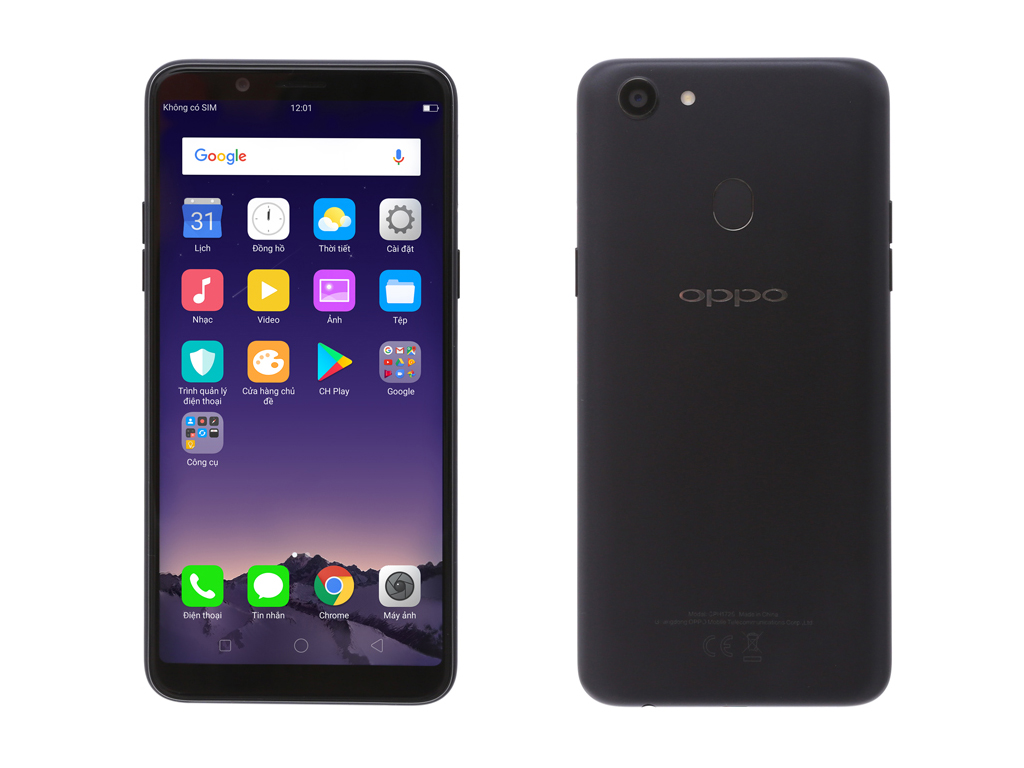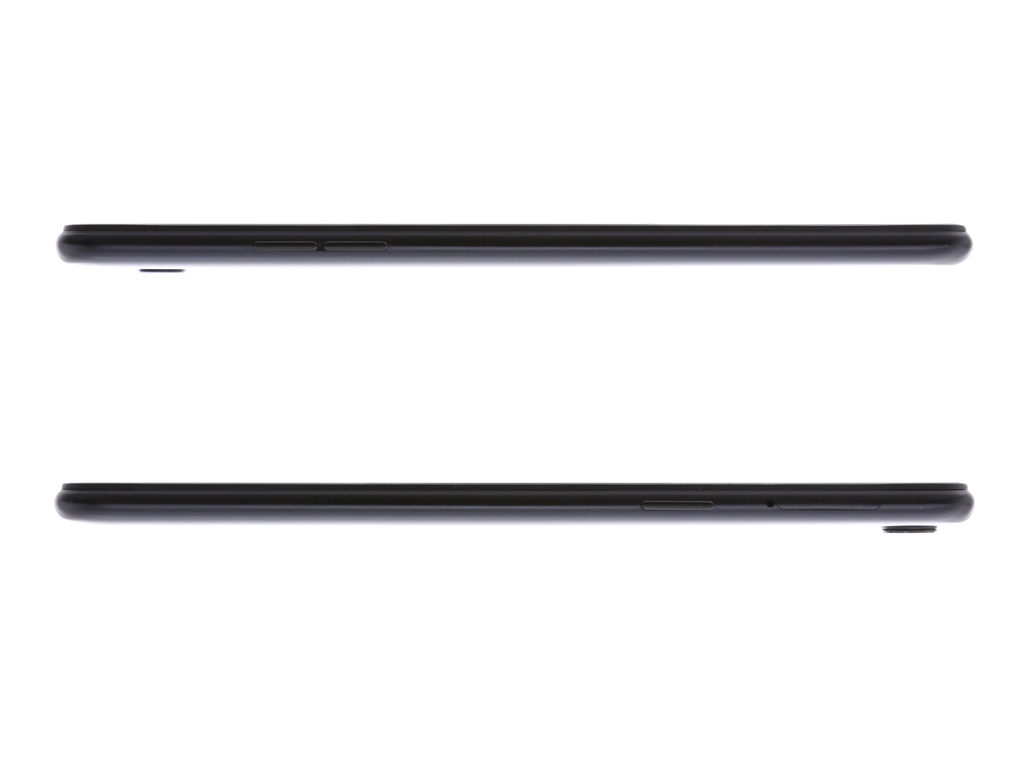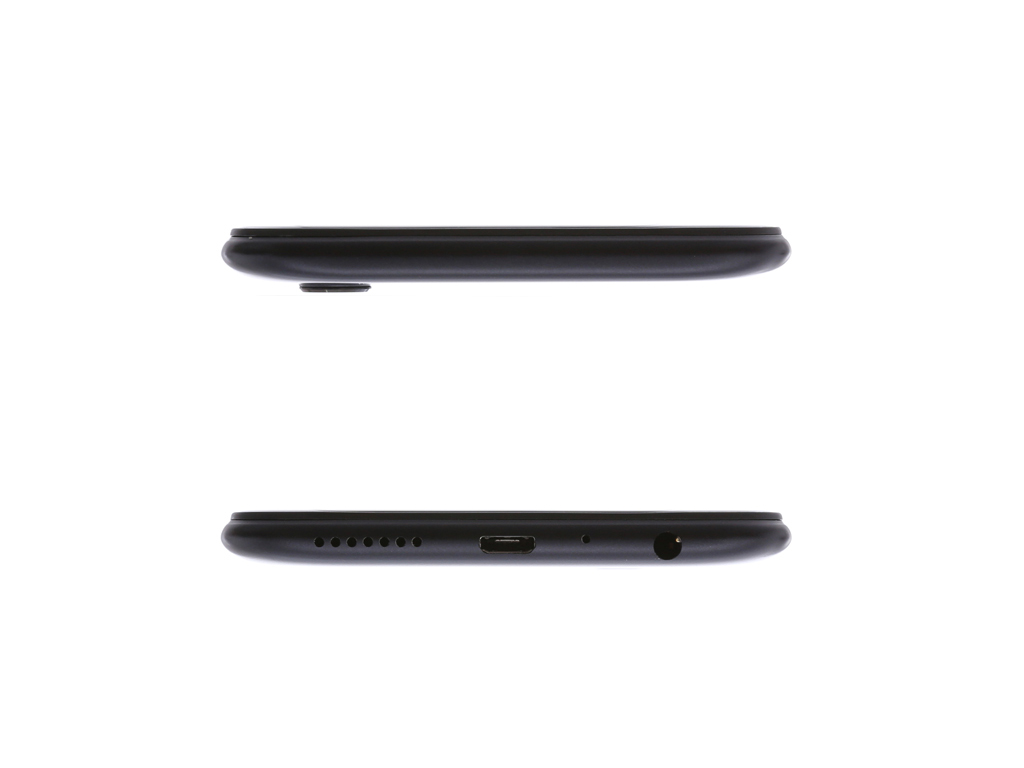




Oppo F5 Youth
Ausstattung / Datenblatt

Oppo F5 Youth (F Serie)
Prozessor
Mediatek Helio P23 MT6763T 8c/8t 8 x 2.3 - 2.5 GHz, Cortex-A53
Grafikkarte
RAM
3 GB
Bildschirm
6.00 Zoll 18:9, 2160 x 1080 Pixel 402 PPI, Capacitive, IPS, spiegelnd: ja
Massenspeicher
32 GB eMMC Flash, 32 GB
Anschlüsse
Audio Anschlüsse: 3.5mm, Card Reader: microSD (256GB), 1 Fingerprint Reader, Sensoren: Accelerometer, proximity, compass, microUSB 2.0
Netzwerk
802.11a/b/g/n (a/b/g/n = Wi-Fi 4/), Bluetooth 4.2, GSM, HSPA, LTE, Dual SIM, GPS
Abmessungen
Höhe x Breite x Tiefe (in mm): 7.5 x 156.5 x 76
Akku
3200 mAh Lithium-Ion
Betriebssystem
Android 7.1 Nougat
Kamera
Primary Camera: 13 MPix f/2.2
Secondary Camera: 16 MPix f/2.0, 2.0 µm
Secondary Camera: 16 MPix f/2.0, 2.0 µm
Sonstiges
Tastatur: Virtual
Gewicht
152 g
Preis
280 Euro
Preisvergleich
Bewertung:
Durchschnitt von 1 Bewertungen (aus 5 Tests)
Durchschnitt von 1 Bewertungen (aus 5 Tests)
Testberichte für das Oppo F5 Youth
OPPO F5 Youth Review
Quelle: Yugatech EN→DE Archive.org version
The OPPO F5 Youth is basically a slightly toned down F5 since it has almost the same specifications except for the display screen type, RAM capacity, rear camera resolution, front camera resolution, and a little physical appearance difference.
Einzeltest, online verfügbar, Lang, Datum: 29.11.2017
Quelle: Yugatech
EN→DE Archive.org versionThe OPPO F5 Youth is basically a slightly toned down F5 since it has almost the same specifications except for the display screen type, RAM capacity, rear camera resolution, front camera resolution, and a little physical appearance difference.
Einzeltest, online verfügbar, Lang, Datum: 29.11.2017
OPPO F5 Youth Unboxing, Quick Review: Slightly Downgraded F5
Quelle: Unbox EN→DE Archive.org version
While we’re only starting our full review of the device, you can expect the F5 Youth to perform nearly as well as the bigger F5 when it comes to selfies and computational tasks, with the rear camera’s image quality taking a bit of a hit because of the lower aperture lens and lower resolution camera. But then again, we’ll have to find out in our full review to be absolutely sure.
Einzeltest, online verfügbar, Mittel, Datum: 29.11.2017
Quelle: Unbox
EN→DE Archive.org versionWhile we’re only starting our full review of the device, you can expect the F5 Youth to perform nearly as well as the bigger F5 when it comes to selfies and computational tasks, with the rear camera’s image quality taking a bit of a hit because of the lower aperture lens and lower resolution camera. But then again, we’ll have to find out in our full review to be absolutely sure.
Einzeltest, online verfügbar, Mittel, Datum: 29.11.2017
Đánh giá OPPO F5 Youth: Phiên bản "mini" của F5 có gì hấp dẫn hơn?
Quelle: The Gioididong VN→DE Archive.org version
Einzeltest, online verfügbar, Lang, Datum: 23.12.2017
Bewertung: Gesamt: 75%
Quelle: The Gioididong
VN→DE Archive.org versionEinzeltest, online verfügbar, Lang, Datum: 23.12.2017
Bewertung: Gesamt: 75%
Đánh giá Oppo F5 Youth: Selfie tốt, hiệu năng đủ dùng
Quelle: Zing VN→DE Archive.org version
Positive: Nice selfie camera; decent performance; large screen.
Einzeltest, online verfügbar, Kurz, Datum: 29.01.2018
Quelle: Zing
VN→DE Archive.org versionPositive: Nice selfie camera; decent performance; large screen.
Einzeltest, online verfügbar, Kurz, Datum: 29.01.2018
Đánh giá Oppo F5 Youth: Chiếc F5 "trá hình"
Quelle: XT Mobile VN→DE Archive.org version
Positive: Thin frames; nice selfie camera; long battery life; fast fingerprint sensor; face ID. Negative: Overheats while playing games.
Einzeltest, online verfügbar, Sehr Lang, Datum: 24.01.2018
Quelle: XT Mobile
VN→DE Archive.org versionPositive: Thin frames; nice selfie camera; long battery life; fast fingerprint sensor; face ID. Negative: Overheats while playing games.
Einzeltest, online verfügbar, Sehr Lang, Datum: 24.01.2018
Kommentar
ARM Mali-G71 MP2: Integrierte Grafikkarte z.B. im Mediatek Helio P23 SoC mit zwei der 32 Shader Kernen. Unterstützt OpenGL ES 3.2, Vulkan 1.0, OpenCL 2.0, DirectX 11 FL11_1, RenderScript.
Einige nicht anspruchsvolle aktuelle Spiele können mit geringen Details noch flüssig gespielt werden. Für Office und Video natürlich ausreichende Leistungsreserven.
» Weitere Informationen gibt es in unserem Notebook-Grafikkartenvergleich und der Benchmarkliste.
Helio P23 MT6763T: ARM-basierter Octa-Core-SoC (4x Cortex-A53 1,65 GHz, 4x Cortex-A53 2,3 GHz, Einzelkern max. 2,5 GHz) für Smartphones und Tablets.» Weitere Infos gibt es in unserem Prozessorvergleich Vergleich mobiler Prozessoren und der Prozessoren Benchmarkliste .
 Als bevorzugte Quelle auf Google hinzufügen