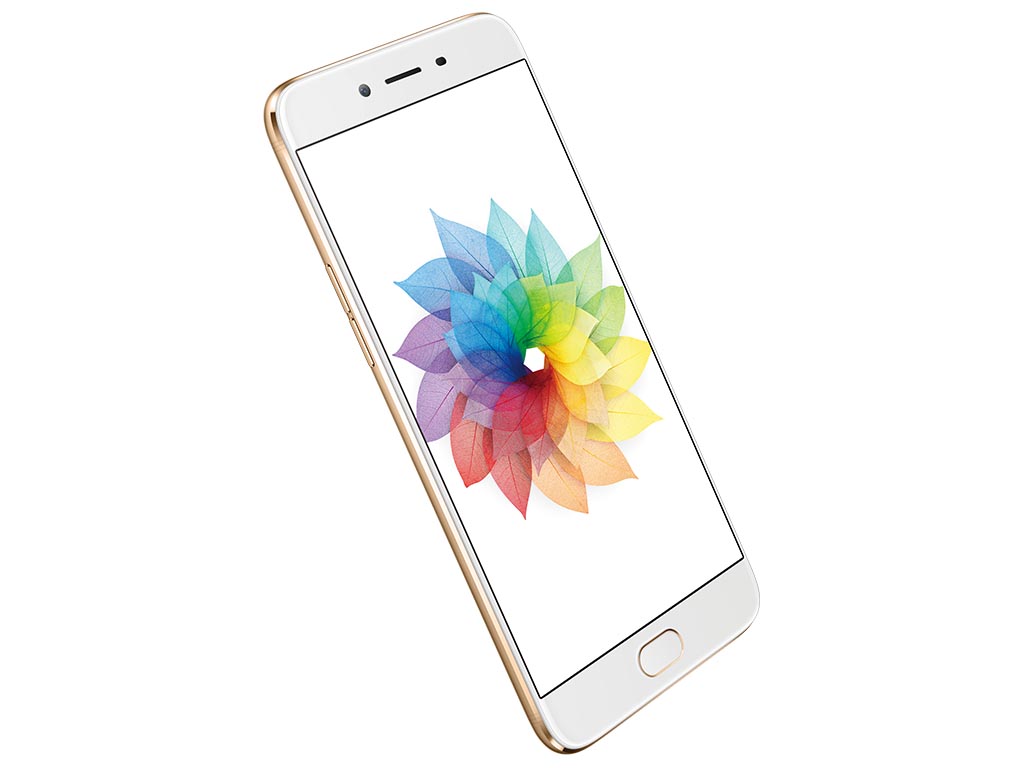




Oppo R9s Plus
Ausstattung / Datenblatt
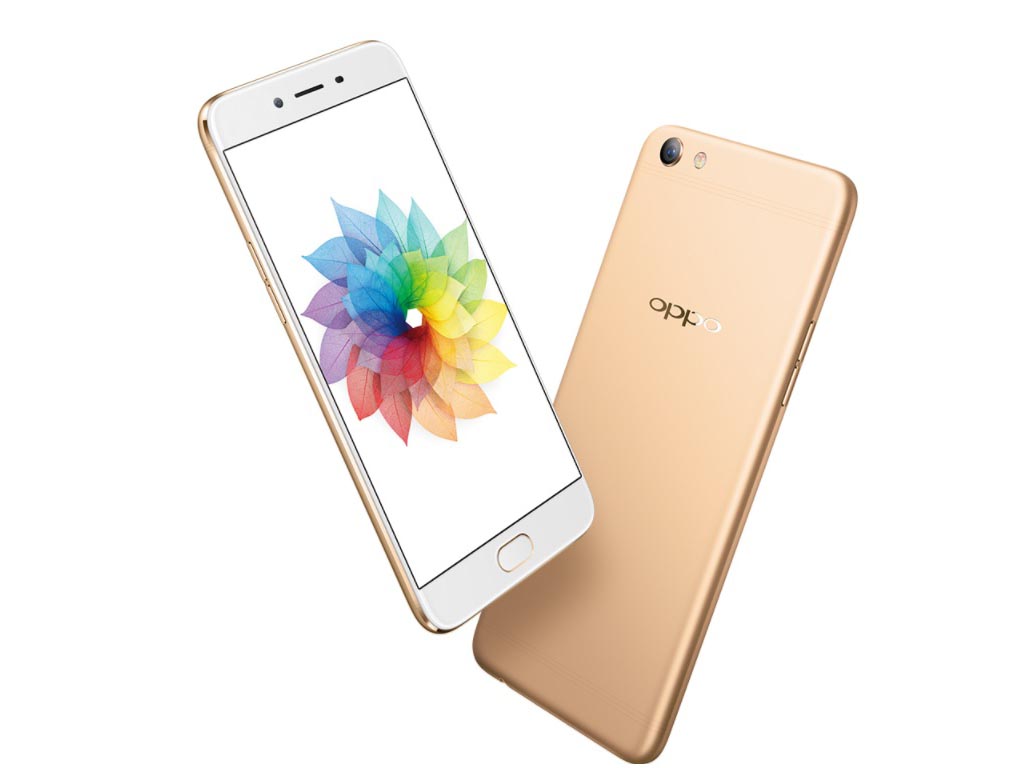
Secondary Camera: 16 MPix f/2.0
Preisvergleich
Durchschnitt von 2 Bewertungen (aus 5 Tests)
Testberichte für das Oppo R9s Plus
Quelle: Ausdroid
 EN→DE Archive.org version
We’ve gone pretty hard on the phones on the software side, but the reality is that they’re affordable, high quality alternatives to the top-tier phones from the big manufacturers. Color OS simply isn’t to our tastes at all – It makes Oppo’s amazing hardware feel just the little bit more pedestrian and uninspired, and it made it a tough sell to stick with the phones for longer than the review period when our usual day-to-day phones feature a more Android-like UI. There’s an increasing number of Aussies out there buying Oppo’s phones though, and it makes us feel that our criticism of Color OS is perhaps a bit off-base for general consumers.
Vergleich, online verfügbar, Sehr Lang, Datum: 02.05.2017
Quelle: Hardware Zone
EN→DE Archive.org versionIn a nutshell, the Oppo R9s and Oppo R9s Plus are reasonably decent phones - all the expected functionality for its price point, good design (albeit it looks very familiar) and has an acceptable set of cameras for normal photography and high resolution selfies. However in these days, a decent phone for a reasonable price may not be adequate and Oppo needs to be concerned about competition.
Vergleich, online verfügbar, Sehr Lang, Datum: 30.04.2017
Quelle: Gadgetguy
EN→DE Archive.org versionThe Oppo R9s Plus is a fine phone, with the feel of a premium model, a massive screen of good quality, strong performance, at somewhat of a bargain price. Very impressive indeed.
Einzeltest, online verfügbar, Sehr Lang, Datum: 01.04.2017
Quelle: CNet France
 FR→DE Archive.org version
Einzeltest, online verfügbar, Kurz, Datum: 11.05.2017
Bewertung: Gesamt: 60%
Quelle: CNet France
FR→DE Archive.org versionEinzeltest, online verfügbar, Lang, Datum: 11.04.2017
Bewertung: Gesamt: 69% Leistung: 70% Mobilität: 90% Gehäuse: 60%
Kommentar
Qualcomm Adreno 510: Grafikchip für Smartphones und Tablets, integriert im Qualcomm Snapdragon 650 und 652 SoC. Basiert auf die 500er Grafikarchitektur wie der schnellere Adreno 520 im Snapdragon 820.
Diese Karten können nur sehr alte und sehr anspruchslose 3D Spiele flüssig darstellen. Anwendungen wie Office, Internet surfen, Bildbearbeitung oder (SD) Videoschnitt sind jedoch ohne große Einschränkungen möglich.
» Weitere Informationen gibt es in unserem Notebook-Grafikkartenvergleich und der Benchmarkliste.
652 MSM8976: ARM-SoC der oberen Mittelklasse mit 8 CPU-Kernen und einer Adreno 510 GPU. Basiert auf der 64-bit-fähigen Cortex-A72- bzw. Cortex-A53-Architektur.» Weitere Infos gibt es in unserem Prozessorvergleich Vergleich mobiler Prozessoren und der Prozessoren Benchmarkliste .
 Als bevorzugte Quelle auf Google hinzufügen