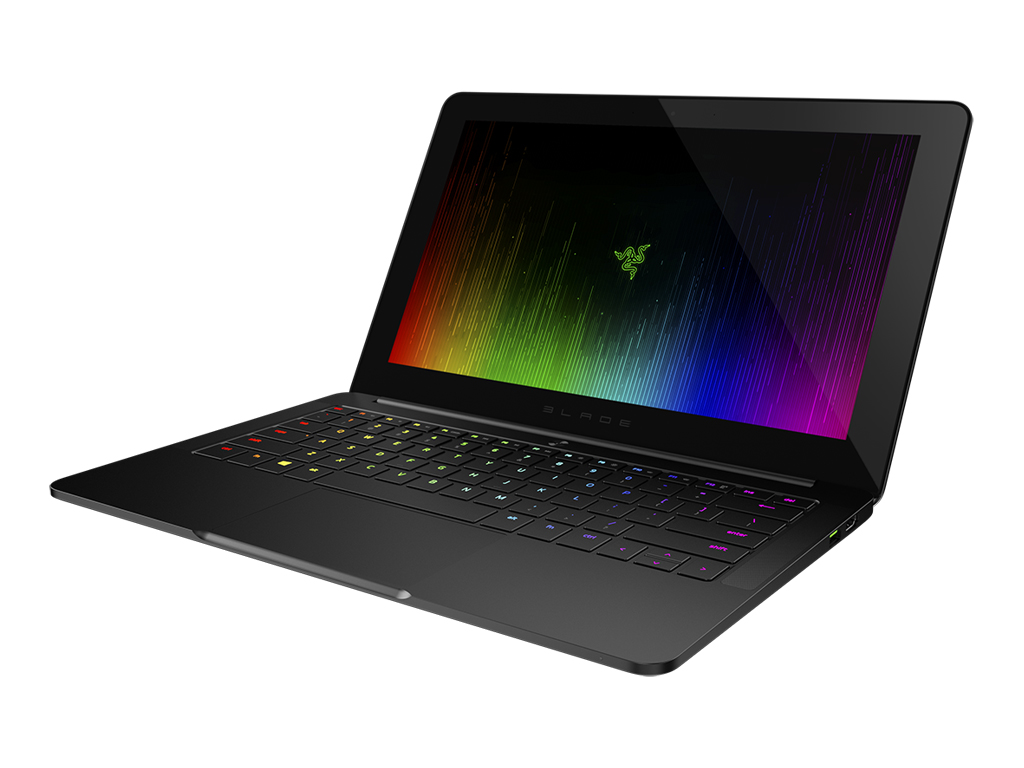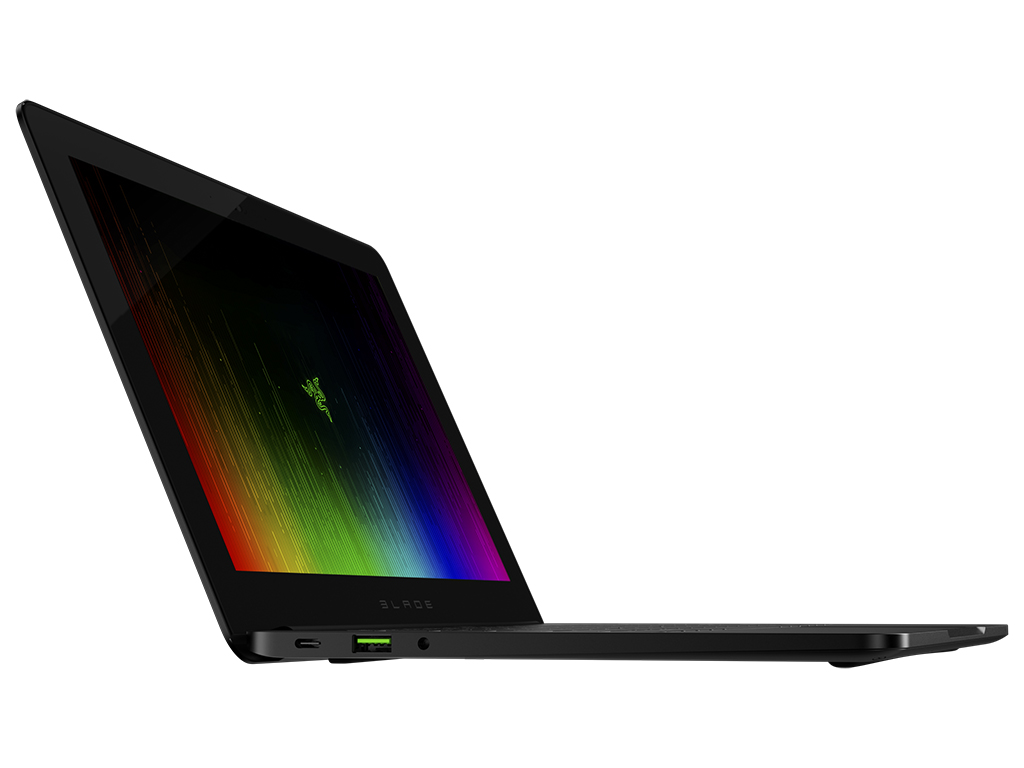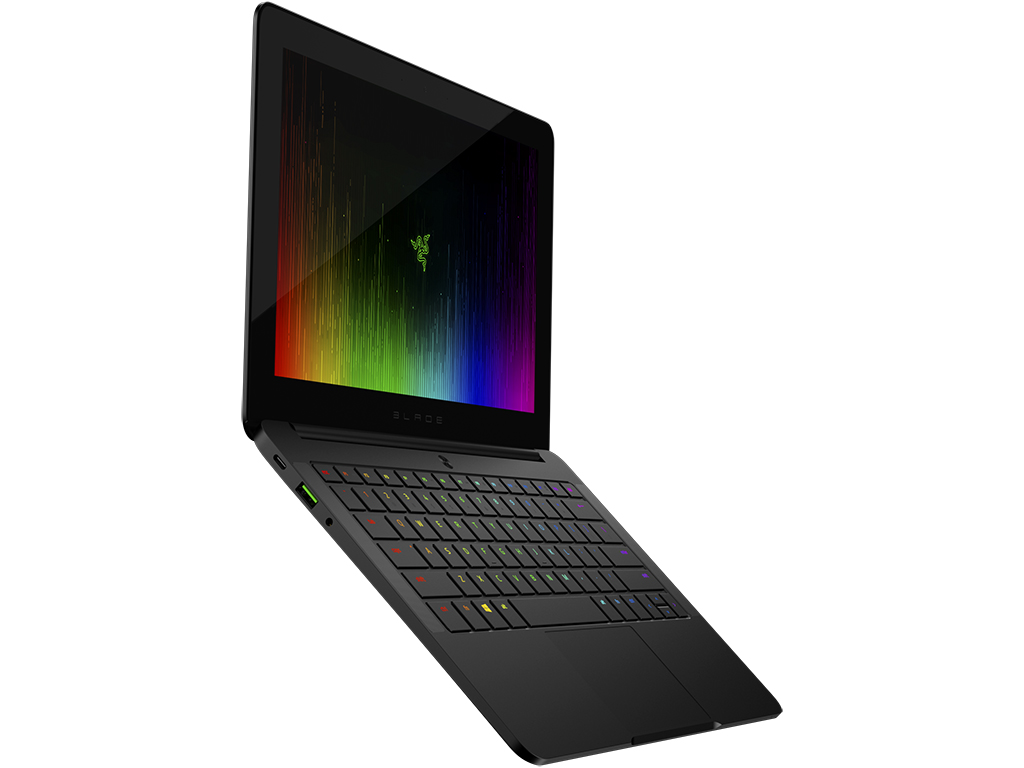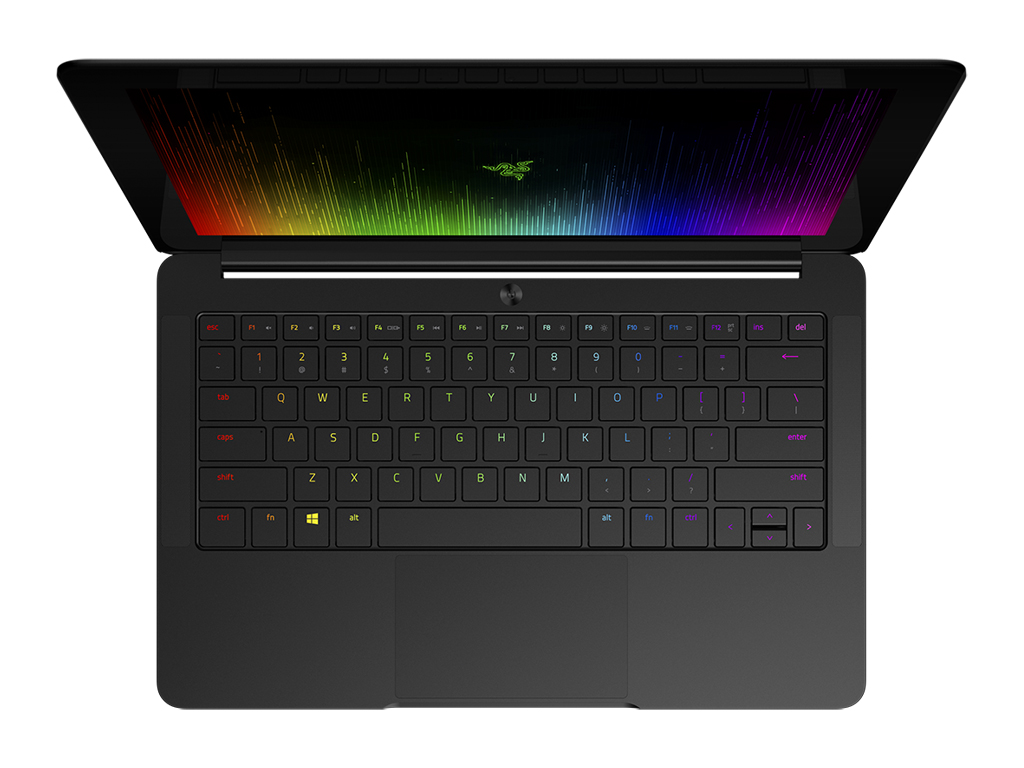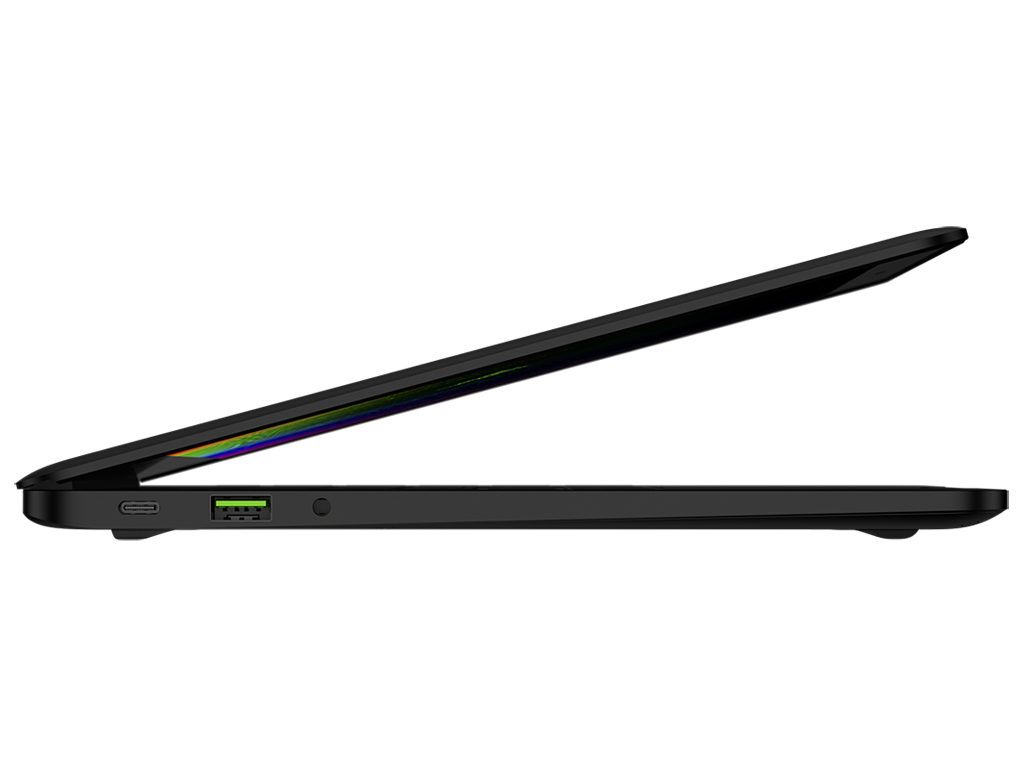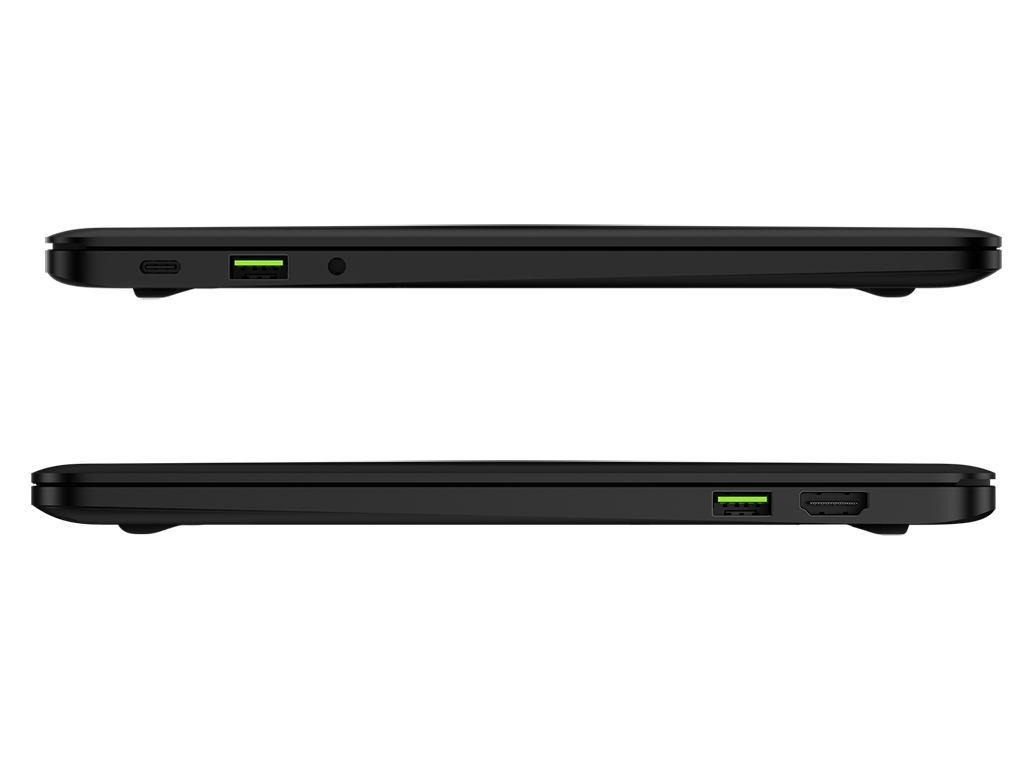




Razer Blade Stealth QHD i5-7200U
Ausstattung / Datenblatt

Preisvergleich
Durchschnitt von 2 Bewertungen (aus 2 Tests)
Testberichte für das Razer Blade Stealth QHD i5-7200U
Quelle: Toptenreviews
 EN→DE Archive.org version
An improvement on the previous generation, but that 12.5-inch screen stops this Blade from gleaming.
Einzeltest, online verfügbar, Lang, Datum: 12.04.2017
Bewertung: Gesamt: 80%
Quelle: PC Mag
EN→DE Archive.org versionThe Core i5 Blade Stealth's specs may not be out of the ordinary, but it's rare to get them in such a high-quality compact build for this price. It's a very appealing value given that it stacks up to more expensive machines pretty nicely, and you don't especially notice compromises in any area. The sleek look and features like USB 3.0 ports and customizable keys are still present, with speed that can get through any normal tasks. If you're looking to cut down on cost you should highly consider this configuration of the Blade Stealth. A Core i7 processor is never going to hurt, though, so if you plan to do more intensive work, and have $100 more to spend, the Core i7 New Blade Stealth is an excellent choice. The beautifully constructed Dell XPS 13 Touch is another top configurable option.
Einzeltest, online verfügbar, Mittel, Datum: 07.02.2017
Bewertung: Gesamt: 80%
Kommentar
Intel HD Graphics 620: Integrierte Grafikkarte (GT2-Ausbau, 24 EUs), welche in einigen Kaby-Lake-CPUs (ULV-Modelle, 15 Watt TDP) verbaut wird.
Diese Klasse ist noch durchaus fähig neueste Spiele flüssig darzustellen, nur nicht mehr mit allen Details und in hohen Auflösungen. Besonders anspruchsvolle Spiele laufen nur in minimalen Detailstufen, wodurch die grafische Qualität oft deutlich leidet. Diese Klasse ist nur noch für Gelegenheitsspieler empfehlenswert. Der Stromverbrauch von modernen Grafikkarten in dieser Klasse ist dafür geringer und erlaubt auch bessere Akkulaufzeiten.
» Weitere Informationen gibt es in unserem Notebook-Grafikkartenvergleich und der Benchmarkliste.
i5-7200U: Auf der Kaby-Lake-Architektur basierender ULV-SoC (System-on-a-Chip) für schlanke Notebooks und Ultrabooks. Integriert unter anderem zwei CPU-Kerne mit 2,5 - 3,1 GHz und HyperThreading sowie eine Grafikeinheit und wird in 14-Nanometer-Technik gefertigt.» Weitere Infos gibt es in unserem Prozessorvergleich Vergleich mobiler Prozessoren und der Prozessoren Benchmarkliste .
 Als bevorzugte Quelle auf Google hinzufügen