




Xiaomi 17T Pro
Pro
Contra
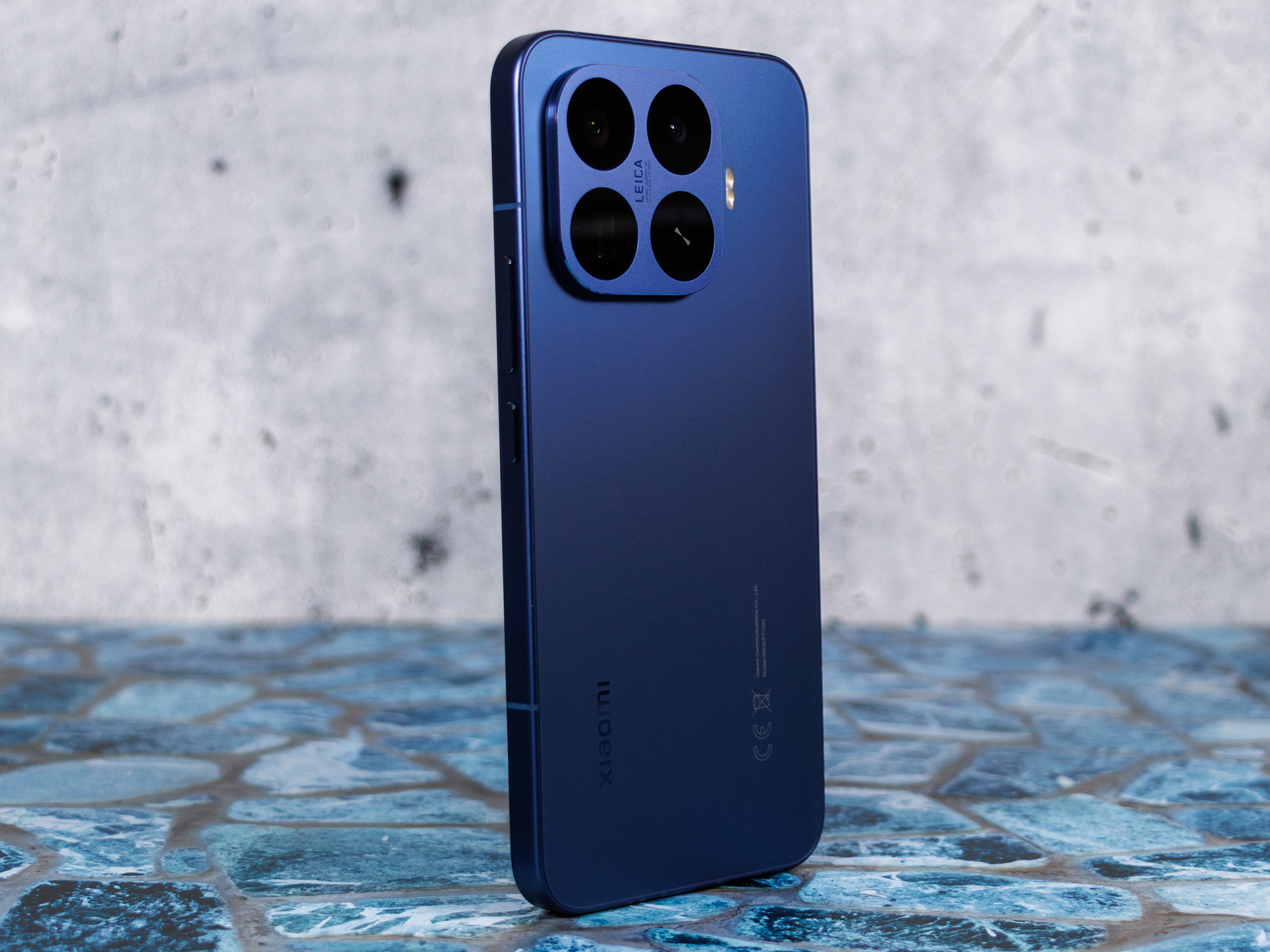
Das Xiaomi 17T Pro ist ein ausgereiftes „Flagship-Lite“-Smartphone, das mit Android 16 und HyperOS 3.0 läuft. Sein Dimensity-9500-Prozessor, 12 GB RAM und der UFS-4.1-Speicher sorgen für eine starke Leistung. Das 6,83-Zoll-AMOLED-Display bietet eine scharfe Auflösung und Bildwiederholraten von bis zu 144 Hz. Das von Leica optimierte Kamerasystem ermöglicht eine gute Fotoqualität, insbesondere durch das 5-fache Teleobjektiv, während die Ultraweitwinkelkamera weniger überzeugt. Ein 7.000-mAh-Silizium-Kohlenstoff-Akku, 100-W-Laden über Kabel sowie 50-W-Laden per Induktion zählen zu den größten Stärken. Trotz der ausgewogenen Hardware machen der hohe Einführungspreis und die bescheidenen Verbesserungen gegenüber den Vorgängermodellen sowie günstigere Konkurrenzmodelle zu potenziell attraktiveren Angeboten.
Ausstattung / Datenblatt
Secondary Camera: 32 MPix (f/2.2, 21 mm)
Preisvergleich
Durchschnitt von 50 Bewertungen (aus 109 Tests)
Testberichte für das Xiaomi 17T Pro
Das Xiaomi 17T Pro verspricht High-End-Technik zum attraktiven Preis. Im Test zeigen wir, wie sich Display, Kamera, Leistung und Akkulaufzeit im Alltag schlagen und ob das Smartphone seine Premium-Ansprüche gegen die starke Konkurrenz einlösen kann.
Quelle: Android Mag

Die T-Serie von Xiaomi steht seit Jahren für Smartphones, die viel Oberklasse-Technik zu einem vergleichsweise niedrigeren Preis bieten. Beim Xiaomi 17T Pro liegt der Fokus auf der Kamera, die in Zusammenarbeit mit Leica entstanden ist.
Einzeltest, online verfügbar, Sehr kurz, Datum: 19.09.2026
Quelle: Smartzone
Das Xiaomi 17T Pro ist ein Smartphone mit klarem Profil: Die außergewöhnlichsten Funktionen sind der riesige 7.000mAh-Akku mit hervorragender Laufzeit und die starke 5-fach-Telekamera. Natürlich gibt es auch alles andere, was ihr von einem Top-Smartphone erwartet: ein helles und scharfes Display, eine erstklassige Hauptkamera, jede Menge Leistung und schnelles kabelgebundenes wie kabelloses Laden.
Einzeltest, online verfügbar, Mittel, Datum: 23.06.2026
Bewertung: Gesamt: 93% Leistung: 95% Bildschirm: 90% Mobilität: 100% Gehäuse: 95%
Quelle: Computerbild
Mit seinem Aluminiumrahmen ist das Xiaomi 17T Pro nicht nur wertiger als das 17T verarbeitet, es hat auch einen stärkeren Prozessor, beherrscht Wireless Charging und bietet eine spürbar höhere Ausdauer.
Einzeltest, online verfügbar, Mittel, Datum: 07.06.2026
Bewertung: Gesamt: 97%
Quelle: Heise
Das Xiaomi 17T Pro zeigt, wie gut Smartphones knapp unterhalb der Flaggschiff-Klasse sein können. Die Performance ist stark, wenn auch nicht rekordverdächtig – jenseits von Benchmark-Spielereien fällt das im Alltag aber nicht ins Gewicht. Das Display bietet hohe Bildqualität und Helligkeit. Die Stärke bleibt die Kamera, die vor allem Fans von Zoom-Aufnahmen erfreuen dürfte – auch bei Dunkelheit. Die wichtigste Verbesserung ist aber der deutlich größere Akku. Während Fotofans hier ein hervorragendes Gerät bekommen, ohne vierstellig hinblättern zu müssen, erreichen die Videos nicht ganz das Niveau der Konkurrenz. Insgesamt fallen die Neuerungen überschaubar aus, dafür liefert Xiaomi gutes Feintuning. Kleinigkeiten trüben das Bild nur leicht: der höhere Preis im Vergleich zum Vorgänger, das langsame USB-C 2.0 und die voraussichtlich nur quartalsweise erscheinenden Updates. Wer ein Top-Smartphone sucht und Wert auf einen starken optischen Zoom legt, bekommt mit dem Xiaomi 17T Pro eine preiswerte Alternative zu aktuellen Flaggschiffen. Wer sparen will, wirft einen Blick auf den ähnlich starken Vorgänger – oder zieht ein Vorjahres-Flaggschiff in Betracht.
Einzeltest, online verfügbar, Sehr kurz, Datum: 02.06.2026
Bewertung: Gesamt: 100%
Quelle: Computerbild
Mit seinem Aluminiumrahmen ist das Xiaomi 17T Pro nicht nur wertiger als das 17T verarbeitet, es hat auch einen stärkeren Prozessor, beherrscht Wireless Charging und bietet eine spürbar höhere Ausdauer.
Einzeltest, online verfügbar, Mittel, Datum: 01.06.2026
Bewertung: Gesamt: 97%
Quelle: O2
Beide Xiaomi-Modelle zählen aktuell zu den besten Handys des Herstellers. Das Xiaomi 17 eignet sich vor allem für alle, die ein kompaktes High-End-Smartphone mit starker Leistung, Kamera und modernem Design suchen.
Vergleich, online verfügbar, Sehr kurz, Datum: 29.05.2026
Quelle: O2
Unterm Strich bietet das Xiaomi 17 Ultra die stärkere Kamera und mehr Premium-Features. Das Xiaomi 17T Pro überzeugt dagegen mit starkem Preis-Leistungs-Verhältnis, großem Akku und sehr ausgewogener Ausstattung. Das Xiaomi 17T Pro ist daher ideal für dich, wenn du ein starkes Gesamtpaket suchst, viel Akku-Power benötigst, gerne spielst oder streamst und eine starke Kamera ohne Ultra-Preis suchst.
Vergleich, online verfügbar, Sehr kurz, Datum: 29.05.2026
Quelle: O2
Sowohl das Xiaomi 17T Pro als auch das Samsung Galaxy S25 Ultra gehören zur absoluten Smartphone-Oberklasse. Das Samsung-Handy überzeugt vor allem mit seiner starken Kamera, langer Softwareversorgung und dem hochwertigen Galaxy-Ökosystem. Das Xiaomi-Gerät punktet mit einem riesigen Akku, ultraschnellem Laden und einem besonders hellen Display mit hoher Bildwiederholrate.
Vergleich, online verfügbar, Sehr kurz, Datum: 29.05.2026
Quelle: Chip.de
Das Xiaomi 17T Pro überzeugt im Test besonders mit seiner Leica-Triplekamera. Ihr Fünffach-Telezoom und die detailreichen, lebendigen Bilder hinterlassen einen sehr positiven Eindruck. Das große OLED-Display zeigt eine knackige Schärfe sowie eine sehr hohe Helligkeit. Der MediaTek-Chip sorgt für eine starke Leistung, für die der große Akku viel Energie für den ganzen Tag bereitstellt. Eine moderne Ausstattung rundet das Gesamtpaket ab. Xiaomi verspricht Updates bis 2032.
Einzeltest, online verfügbar, Kurz, Datum: 28.05.2026
Bewertung: Gesamt: 97% Preis: 67% Leistung: 96% Bildschirm: 100% Mobilität: 97%
Quelle: O2
Das Xiaomi 17T Pro ist das stärkere, ausdauerndere und vielseitigere Smartphone in diesem Vergleich. Es bietet das hellere Display, den stärkeren Chip, eine etwas bessere Hauptkamera, schnelleres kabelgebundenes Laden und mehr Möglichkeiten bei Videoaufnahmen. Das Xiaomi 15T Pro bleibt dennoch ein überzeugendes Pro-Modell.
Vergleich, online verfügbar, Sehr kurz, Datum: 28.05.2026
Quelle: Futurezone.at
Mit einem Preis von 899 Euro ist das Xiaomi 17T Pro deutlich unter der UVP anderer Flaggschiffe angesiedelt. Für dieses Geld bekommt man eine absolute Spitzenkamera, die außerdem über einen hervorragenden optischen Zoom verfügt.
Einzeltest, online verfügbar, Kurz, Datum: 28.05.2026
Ausländische Testberichte
Quelle: Tech Edit

I took the Xiaomi 17T Pro, a not-flagship-phone to Reading Festival for $layyyter, not because I had to, but because I rate its camera for gigs and it did not disappoint. After three and a half months, I'm still reaching for it when I want an all-rounder, even over the iPhone 17 Pro Max and Galaxy S26 Ultra. In fact, it's become one of the easiest Android phones to recommend, especially if you love gigs and festivals as much as I do.
Einzeltest, online verfügbar, Sehr Lang, Datum: 06.09.2026
Quelle: GSM Choice
EN→DEThe Xiaomi 17T Pro is a highly successful, solid smartphone with an amazing battery, a bright screen, excellent performance, and great cameras (with the exception of the mediocre wide-angle lens). At these prices, especially the two lower memory tiers, make this device quite cost-effective.
Einzeltest, online verfügbar, Sehr kurz, Datum: 08.08.2026
Quelle: Amateur Photographer
EN→DEThe Xiaomi 17T Pro is an impressive mid-range handset, and a very good choice for photographers who don’t want to pay the extra for a flagship Android phone. Image performance is generally really good, so long as you remember the limitations of the ultra-wide camera, and it’s a real telephoto star.
Einzeltest, online verfügbar, Mittel, Datum: 15.07.2026
Bewertung: Gesamt: 90%
Quelle: Mezha EN
EN→DEThe Xiaomi 17T series this year has come close to the company's flagships. Both models have high-quality displays, productive processors, excellent cameras, of which the periscopic telephoto is worth highlighting, long battery life, fast charging, stylish design and IP68 protection. But the smartphones have also come close to the flagships in terms of price, which is already less pleasing.
Vergleich, online verfügbar, Lang, Datum: 26.06.2026
Bewertung: Gesamt: 80%
Quelle: Digital Trends
EN→DEThe Xiaomi 17T Pro is one of those phones that surprised me with its polish. It isn’t the absolute best at everything, and yet, the experience is still great. It has a premium design, a beautiful screen, excellent battery life, fast charging, strong performance, and a camera system with actual personality. The biggest reason to buy it is the balance. The Xiaomi 17T Pro doesn’t feel like a stripped-down alternative to an Ultra phone.
Einzeltest, online verfügbar, Mittel, Datum: 25.06.2026
Bewertung: Gesamt: 80%
Quelle: BGR
EN→DEThe Xiaomi 17T Pro is a textbook value flagship. It nails the things that matter most day to day — flagship-class performance, a bright display that sustains its brightness, an enormous battery, and fast charging — and it does it all for a price no flagship can beat.
Einzeltest, online verfügbar, Kurz, Datum: 24.06.2026
Quelle: Yugatech
Vergleich, online verfügbar, Sehr Lang, Datum: 12.06.2026
Quelle: Tech Nave
EN→DEStill looking for a daily phone that perfectly balances high-quality photography, reliable performance, and ultra-long battery life? The answer is often a high-end flagship device that's just a bit out of your budget, but that's not always the case. The recently launched Xiaomi 17T series in Malaysia can absolutely meet all those needs. If you're a budget-conscious person looking for a flagship phone with incredible bang for buck, the Xiaomi 17T and Xiaomi 17T Pro could be for you.
Vergleich, online verfügbar, Kurz, Datum: 08.06.2026
Quelle: GSM Arena
Xiaomi's T-series continues to be a battleground for premium performance at a competitive price, but the gap between the standard and Pro models is wider than ever. Is the Pro model worth the extra cash, or does the more compact standard 17T offer the better overall value?
Vergleich, online verfügbar, Mittel, Datum: 05.06.2026
Quelle: Android Central
EN→DEI'm not going to talk about the software too much; the 17T Pro comes with Android 16 out of the box, and it is optimized to run fluidly on the phone. I didn't see any lag or slowdowns, but the software itself is in need of a visual overhaul, and it doesn't feel quite as modern to use as OriginOS and ColorOS. It wasn't all that long ago that you could get a Xiaomi T series phone for around $500. But the industry as a whole is trending upwards in this area, and it isn't just Xiaomi that's selling its value flagships at what would've been flagships prices three years ago (the Xiaomi 13 debuted at €999 in 2023). So, where does that leave the 17T Pro? You're not getting huge gains from the 15T Pro, so if you're able to get last year's phone at a discounted price, that would be my recommendation — it has 90% of the same features. But if you aren't able to get the 15T Pro at a decent deal and need a bigger battery, the 17T Pro is a viable alternative. I still think it's better to wait a little while before buying the phone — Xiaomi will inevitably lower prices over the coming weeks, like it does with all devices in its portfolio. If you'd rather not wait, POCO's F8 Ultra is a solid choice as well — it has a better design, amazing cameras, the latest internals, and a 6,500mAh battery — and it costs a much more reasonable €659 right now.
Einzeltest, online verfügbar, Kurz, Datum: 03.06.2026
Bewertung: Gesamt: 80%
Quelle: OI Spice Tech News
EN→DEThe Xiaomi 17T is designed for users who want a premium experience without breaking the bank. Launched in late May 2026, this model packs a punch with its 6.59-inch AMOLED display, which is incredibly bright at up to 3,500 nits and features a smooth 120Hz refresh rate perfect for scrolling and gaming. Under the hood, you will find the MediaTek Dimensity 8500 Ultra chipset, paired with 12GB of RAM and either 256GB or 512GB of speedy UFS 4.1 storage. Battery life is a major highlight here, thanks to a large 6,500 mAh silicon-carbon battery that supports 67W wired charging and even 22.5W reverse wired charging to top up your earbuds or a friend’s phone. It is also IP68 rated, meaning it can survive a dip in the pool or a dusty trail. The overall build uses a plastic frame and Gorilla Glass 7i, keeping the weight down to a comfortable 200 grams.
Vergleich, online verfügbar, Sehr kurz, Datum: 02.06.2026
Quelle: Phone Arena
EN→DEThe Xiaomi 17T Pro is excellent value in the context of 2026. Its unique camera system produces beautiful pictures that enthusiasts will appreciate, and it has the beautiful design, long battery life, and fast charging to go along with that. Samsung's Galaxy S26 Plus model is the closest alternative, coming at a similar price (after the discounts).
Einzeltest, online verfügbar, Sehr Lang, Datum: 02.06.2026
Quelle: Petapixel
EN→DEYes. The €899 (approx. $1,046) Xiaomi 17T Pro and its slightly cheaper €749 (approx. $871) sibling may not sit at the very top of Xiaomi’s smartphone hierarchy, but after spending time with both devices in Austria, I came away impressed by what they offer photographers and everyday users alike, especially the 17T Pro. The Xiaomi 17T Pro succeeds in doing exactly what mobile photography should do: make it easier to capture and share moments without getting in the way.
Einzeltest, online verfügbar, Sehr Lang, Datum: 01.06.2026
Quelle: Yugatech
EN→DEOverall, the Xiaomi 17T Pro is a great phone to own with everything that it can offer. It’s got a great set of cameras, a beautiful display, and a powerful chipset. There’s also a long lasting battery, which will last users more than an entire day of use. Then again there are some compromises. For starters, it’s not the most weather resistant smartphone out there with only an IP68 rating, and the ultrawide camera isn’t exactly the best, especially compared to the main and telephoto in low light.
Einzeltest, online verfügbar, Lang, Datum: 01.06.2026
Quelle: Tech Spurt
Reviewing the Xiaomi 17T vs the 17T Pro, to see which T-Series smartphone is best for camera fans, gamers and more demanding users. I've tested the Xiaomi 17T and the Xiaomi 17T Pro as my full-time phone, so here's how they compare. Check out my full review of that Pro model for more on that almighty powerhouse.
Vergleich, online verfügbar, Sehr Lang, Datum: 30.05.2026
Quelle: Android Headlines
EN→DEXiaomi once again managed to bring to life two very compelling upper-mid-range, almost flagship smartphones. In fact, the ‘Pro’ model can even be considered a high-end offering from the company. Both of them have really good performance, excellent displays, great battery life, and capable cameras. We’re glad to see that Xiaomi went with telemacro shooters here, and Leica lenses are always good to see. Yes, both of these phones are inferior to the Xiaomi 17 series, but the ‘Pro’ model in particular is not far behind. If they are within your budget, they’re definitely worth considering.
Vergleich, online verfügbar, Sehr Lang, Datum: 29.05.2026
Quelle: Mark Ellis Reviews
EN→DEThe Xiaomi 17T Pro is a confident phone and will be a no-brainer for a lot of people. It nails some key elements — telephoto photography, big battery, properly flagship-feeling chassis. Build, performance, camera and display all hold their own at £799. And the fact that £799 now counts as “mid-range” is genuinely the story of the smartphone market in 2026. As is the overwhelming choice buyers have. Buy the 17T Pro if you want a flagship-feeling phone with a long-reach telephoto, the biggest battery in the category, and you’re not bothered about a 219g phone in your pocket. The big flagship head-to-head: Samsung S26 Ultra vs iPhone 17 Pro Max Buy the 17T if you want most of that story in a more compact body, you don’t need 8K video or wireless charging, and saving £150 matters to you.
Einzeltest, online verfügbar, Kurz, Datum: 29.05.2026
Bewertung: Gesamt: 80%
Quelle: Digital Camera World
EN→DEThe Xiaomi 17T Pro is a great all-rounder. The cameras are excellent, it's powerful, it looks and feels premium, and it comes at a lower cost than most flagship devices. The only problem is that it's very similar to last year's 15T Pro. If you own the older model, there's not really any reason to upgrade, unless your battery keeps dying prematurely. And if you're a savvy shopper, opting for the older model, or the frequently discounted base model Xiaomi 17, might make more sense. That said, if you're looking for a phone in this price range, the Xiaomi 17T Pro still stands out as one of the best options. It has a more versatile camera system and better video features than its closest competitors, the Honor 600 Pro or Vivo X300 FE, and it rivals them in performance, too. So, while it might not be the most exciting update, the Xiaomi 17T Pro remains competitive in 2026. I had a great time using it, especially the 5x telephoto, which continues to surprise me with its excellent results.
Einzeltest, online verfügbar, Mittel, Datum: 28.05.2026
Bewertung: Gesamt: 80%
Quelle: Hardware Zone
EN→DEEven within Xiaomi’s lineup, there’s a place for each model. We get the Xiaomi 17T and 17T Pro, which are flagship-lite devices that start at under S$1,000 while offering great performance and cameras. Then further up the chain, the Xiaomi 17 stands out as the compact, baseline flagship smartphone with a 6.3-inch screen. Finally, the Xiaomi 17 Ultra clearly leads the pack with its impressive Leica-branded cameras and true flagship hardware.
Einzeltest, online verfügbar, Mittel, Datum: 28.05.2026
Bewertung: Gesamt: 85% Preis: 85% Leistung: 80% Gehäuse: 80%
Quelle: Expert Reviews
EN→DEThe Xiaomi 17T Pro feels like an excellent alley that fumbled the oop. The hardware, despite only improving on last year in a couple of places, is strong across almost the entire board. Performance rivals some of the best phones in the business and battery life is massively improved. Even the cameras, where I’d liked to have seen some upgrades, don’t actively do anything wrong. The proverbial fumble here is completely tied to the price. The forces that are putting pressure on phone prices the world over are far out of Xiaomi’s control, so perhaps it’s a little unfair to lay the blame for this at its feet, but we aren’t here to feel sorry for multi-million pound companies. We’re here to decide if you should buy the Xiaomi 17T Pro, and the answer to that is probably not, no. If you really fancy it, save some cash and get the standard Xiaomi 17T – it’s barely a downgrade but costs quite a bit less. If you’re brand agnostic, I’ll say what I always say when we’re judging phones in this price range right now: you won’t find better value for money than with the OnePlus 15.
Einzeltest, online verfügbar, Mittel, Datum: 28.05.2026
Bewertung: Gesamt: 80%
Quelle: Trusted Reviews
EN→DEWhile the Xiaomi 17T series is a big step forward, it’s arguably the regular 17T that steals most of the limelight this year, finally matching its Pro sibling on the camera front. By comparison, the 17T Pro feels more iterative than exciting; the camera hardware is largely unchanged, there’s no dramatic leap in performance, and the display – while still excellent – isn’t doing much that’s genuinely new. That said, even with relatively minimal upgrades, the Xiaomi 17T Pro remains a seriously strong all-rounder for the price. You’re getting a solid, premium-feeling design, a big and beautiful 144Hz display, very capable Leica-tuned cameras and, crucially, one of the biggest and most durable batteries you’ll find on any mainstream flagship right now. If you can live with the familiar look and a few software annoyances, it’s still a fast, feature-packed powerhouse that most will enjoy. To see how it compares to the competition, take a look at the best mid-range phones.
Einzeltest, online verfügbar, Lang, Datum: 28.05.2026
Bewertung: Gesamt: 80%
Quelle: Tech Spurt
Reviewing the Xiaomi 17T Pro, a step down from the 17 series flagships which usually launches in September - but hey, it's 2026, anything goes! I've been testing the Xiaomi 17T Pro for a week now as my full-time smartphone, from the Leica camera setup to the battery life. So here's my verdict, and for more phone reviews please do subscribe! The Xiaomi 17T Pro may boast that Leica branding, but the camera does struggle with living subjects at times, often producing softer photos. However, in other ways it truly is excellent, as you'll see from my test shots and home movies. You'd hope that the battery life would be dependably long too, with the 7000mAh cell stuffed inside. Here's how the Xiaomi 17T Pro coped with regular everyday use, as well as gaming and more intensive stuff. So, are you tempted by this smartphone? Personally I'd lean towards flagships like the OnePlus 15 and OPPO Find X9 series, while the Poco X8 Pro Max offers many of the same Xiaomi 17T Pro benefits at a nicer price.
Einzeltest, online verfügbar, Sehr Lang, Datum: 28.05.2026
Quelle: ben's gadget reviews
The Xiaomi 17T Pro is here, coming four months earlier than usual and just eight months after the 15T series. This is a mostly iterative update, with a much larger battery (compared to last generation) and a new live photo with Leica tuning which the company has dubbed Leica Live Moments.
Einzeltest, online verfügbar, Lang, Datum: 28.05.2026
Quelle: GSM Arena
The Xiaomi 17T Pro steps into the premium market, packing serious flagship power, boasting a blazing-fast Dimensity 9500 chipset and a massive 7,000mAh battery. While it delivers excellent performance and top-tier battery life, its steep launch price puts it in direct competition with true top-shelf flagships. Is this high-end contender really worth your cash, or should you wait for a price drop? Check out our video review to learn ALL YOU NEED TO KNOW about the phone's top features, build and screen quality, battery life, performance, and camera image quality.
Einzeltest, online verfügbar, Lang, Datum: 28.05.2026
Quelle: TechTablets
Vergleich, online verfügbar, Sehr Lang, Datum: 28.05.2026
Quelle: Techradar
EN→DEThe Xiaomi 17T Pro is a small but meaningful upgrade on its predecessor. Most of the hardware remains unchanged, but a faster processor, bigger battery, and faster charging all make for an even better experience. The Xiaomi 15T Pro was already one of the best sub-flagship phones around, and the 17T Pro is even better — but you will have to pay more this time around.
Einzeltest, online verfügbar, Mittel, Datum: 28.05.2026
Bewertung: Gesamt: 80% Preis: 80% Leistung: 100% Bildschirm: 100% Mobilität: 80% Gehäuse: 80%
Quelle: Canbuyornot
EN→DEI do wish Xiaomi had improved on the placement of the fingerprint sensor from the Xiaomi 15T Pro. It's still located too low at the bottom of the screen, which can be awkward to reach. And while the 17T has an Always-On Display, you can't actually leave it permanently on so it's not really always on, I guess. The 17 Pro can be configured to do so, but it doesn't appear to be an LTPO display that can drop down to 1Hz to conserve power, so Xiaomi doesn't enable it by default to save power.
Vergleich, online verfügbar, Sehr kurz, Datum: 28.05.2026
Bewertung: Gesamt: 80%
Quelle: GSM Arena
EN→DEAs is the case with the Xiaomi T series for the past couple of generations, the initial pricing is what keeps us from giving an outright recommendation to buy the 17T Pro. But if you are here reading this a few months after the release, you might be looking at an excellent all-rounder with flagship-like features and hardware, but without the flagship-like pricing. The 17T Pro once again impresses with great all-round camera hardware, excellent display, high-performance chipset and speedy wired and wireless charging. This year, the handset also stands out in the battery life race with solid endurance. So if you are not in a hurry, wait for the dust to settle. But in case you are, Xiaomi has similar, but more affordable offerings.
Einzeltest, online verfügbar, Sehr Lang, Datum: 28.05.2026
Bewertung: Gesamt: 88%
Quelle: NLT
EN→DEAnd of course – the most enticing part of the Xiaomi 17T series in general is the price. I mean, starting at only RM2,899, there’s no other smartphone out there in the market right now that is basically covering all aspects in a well-balanced manner, and still equipped with the latest flagship chipset.
Einzeltest, online verfügbar, Mittel, Datum: 28.05.2026
Quelle: Android Police
EN→DEYes, the Xiaomi 17T Pro is a good smartphone buy, particularly if you want long battery life. The camera is ideal for social media, there’s plenty of performance for gaming, and it’s good to see wireless charging join fast wired charging. Xiaomi’s software can frustrate, the screen glass lets the display performance down, and there’s no denying this is a big, bulky phone.Does this all add up to a phone that was worth launching just eight months after the last one? It’s questionable. Xiaomi said it launched earlier than expected to show off Leica’s camera experience to more people, something that doesn’t really add up considering the 17T Pro’s camera is extremely similar to the 15T Pro’s. However, the Xiaomi 17T Pro’s long battery life does save it. It’s a genuine day-to-day game changer, and an answer to a lot of people’s problems with modern flagship phones. This is one of the best examples of the benefits a silicon-carbon battery and an efficient processor can bring to a phone.
Einzeltest, online verfügbar, Mittel, Datum: 28.05.2026
Bewertung: Gesamt: 70%
Quelle: Yanko Design
EN→DEThe Xiaomi 17T Pro does not try to reinvent what made the T series appealing, and that is exactly why it works. Instead, it takes the core strengths of the 15T Pro, including the restrained design, strong camera system, and flagship-like everyday performance, and refines them in ways that feel practical rather than flashy. The result is a phone that feels more mature than dramatic, but also more complete. The 17T Pro feels like a phone that understands its own appeal and leans into it with confidence.
Einzeltest, online verfügbar, Sehr Lang, Datum: 28.05.2026
Bewertung: Preis: 80% Leistung: 90% Ergonomie: 70%
Quelle: Computerhoy
 ES→DE
ES→DEEinzeltest, online verfügbar, Mittel, Datum: 28.05.2026
Bewertung: Gesamt: 90%
Quelle: Xataka
ES→DEEinzeltest, online verfügbar, Sehr Lang, Datum: 28.05.2026
Bewertung: Gesamt: 88% Leistung: 88% Bildschirm: 90% Mobilität: 98% Gehäuse: 88%
Quelle: Pplware
 PT→DE
PT→DEEinzeltest, online verfügbar, Sehr kurz, Datum: 06.07.2026
Quelle: Tudo Celular
PT→DEEinzeltest, online verfügbar, Kurz, Datum: 22.06.2026
Bewertung: Gesamt: 80% Preis: 70%
Quelle: 4G News
PT→DEEinzeltest, online verfügbar, Mittel, Datum: 28.05.2026
Bewertung: Gesamt: 90%
Quelle: Evo smart
 IT→DE
IT→DEEinzeltest, online verfügbar, Mittel, Datum: 02.06.2026
Bewertung: Gesamt: 82% Leistung: 80% Bildschirm: 80% Mobilität: 90%
Quelle: Corriere
IT→DEEinzeltest, online verfügbar, Kurz, Datum: 28.05.2026
Quelle: Mister Gadget
IT→DEVergleich, online verfügbar, Kurz, Datum: 28.05.2026
Quelle: Quotidiano Hardware Upgrade
IT→DEEinzeltest, online verfügbar, Sehr Lang, Datum: 28.05.2026
Quelle: Multiplayer IT
IT→DEEinzeltest, online verfügbar, Mittel, Datum: 28.05.2026
Bewertung: Gesamt: 85%
Quelle: HDblog.it
IT→DEVergleich, online verfügbar, Lang, Datum: 28.05.2026
Bewertung: Preis: 36% Ausstattung: 90%
Quelle: Mister Gadget
IT→DEVergleich, online verfügbar, Kurz, Datum: 28.05.2026
Quelle: Multiplayer IT
IT→DEEinzeltest, online verfügbar, Mittel, Datum: 28.05.2026
Bewertung: Gesamt: 85%
Quelle: Smart World
IT→DEEinzeltest, online verfügbar, Kurz, Datum: 28.05.2026
Bewertung: Gesamt: 82% Preis: 60% Ausstattung: 85% Bildschirm: 90% Mobilität: 85% Gehäuse: 85% Ergonomie: 85%
Quelle: Tutto Android
IT→DEEinzeltest, online verfügbar, Lang, Datum: 28.05.2026
Bewertung: Gesamt: 85%
Quelle: Everyeye.it
IT→DEEinzeltest, online verfügbar, Kurz, Datum: 28.05.2026
Quelle: Want.nl
 NL→DE
NL→DEEinzeltest, online verfügbar, Sehr kurz, Datum: 19.06.2026
Bewertung: Gesamt: 80%
Quelle: AndroidWorld.nl
NL→DEEinzeltest, online verfügbar, Kurz, Datum: 12.06.2026
Bewertung: Gesamt: 80%
Quelle: Android Planet
NL→DEEinzeltest, online verfügbar, Kurz, Datum: 10.06.2026
Bewertung: Gesamt: 80%
Quelle: Les Mobiles
 FR→DE
FR→DEEinzeltest, online verfügbar, Mittel, Datum: 04.07.2026
Bewertung: Gesamt: 100%
Quelle: L' Eclaireur FNAC
FR→DEEinzeltest, online verfügbar, Sehr kurz, Datum: 20.06.2026
Bewertung: Gesamt: 100% Leistung: 100% Bildschirm: 80% Mobilität: 100%
Quelle: Les Numeriques
FR→DEEinzeltest, online verfügbar, Mittel, Datum: 30.05.2026
Bewertung: Gesamt: 90% Leistung: 80% Bildschirm: 90% Mobilität: 90% Gehäuse: 80% Ergonomie: 80%
Quelle: Frandroid
FR→DEEinzeltest, online verfügbar, Sehr Lang, Datum: 29.05.2026
Bewertung: Gesamt: 80% Leistung: 80% Bildschirm: 80% Mobilität: 90% Gehäuse: 90%
Quelle: 01Net
FR→DEEinzeltest, online verfügbar, Mittel, Datum: 28.05.2026
Bewertung: Gesamt: 72% Preis: 60% Bildschirm: 80% Mobilität: 100%
Quelle: Journal du Geek
FR→DEEinzeltest, online verfügbar, Lang, Datum: 28.05.2026
Bewertung: Gesamt: 80%
Quelle: Presse Citron
FR→DEEinzeltest, online verfügbar, Lang, Datum: 28.05.2026
Bewertung: Gesamt: 79% Preis: 60% Mobilität: 90% Gehäuse: 75% Ergonomie: 75%
Quelle: Presse Citron
FR→DEEinzeltest, online verfügbar, Lang, Datum: 28.05.2026
Bewertung: Gesamt: 79% Preis: 60% Mobilität: 90% Gehäuse: 75% Ergonomie: 75%
Quelle: Orange PL
 PL→DE
PL→DEEinzeltest, online verfügbar, Sehr kurz, Datum: 30.07.2026
Quelle: Tabletowo
PL→DEEinzeltest, online verfügbar, Sehr Lang, Datum: 18.07.2026
Bewertung: Gesamt: 85%
Quelle: Co Nowego
PL→DEEinzeltest, online verfügbar, Kurz, Datum: 11.07.2026
Quelle: GSM Maniak
PL→DEEinzeltest, online verfügbar, Mittel, Datum: 28.05.2026
Bewertung: Gesamt: 91% Leistung: 96% Bildschirm: 92% Mobilität: 96%
Quelle: Hi-Tech Mail
 RU→DE
RU→DEEinzeltest, online verfügbar, Lang, Datum: 28.05.2026
Quelle: Tech World
 HU→DE
HU→DEEinzeltest, online verfügbar, Sehr kurz, Datum: 17.06.2026
Bewertung: Gesamt: 86% Preis: 90% Leistung: 90% Mobilität: 90% Gehäuse: 80%
Quelle: MobilArena HU
HU→DEEinzeltest, online verfügbar, Mittel, Datum: 29.05.2026
Quelle: MobilArena HU
HU→DEEinzeltest, online verfügbar, Sehr Lang, Datum: 29.05.2026
Bewertung: Preis: 80% Bildschirm: 80% Mobilität: 90% Gehäuse: 90%
Quelle: MobilArena HU
HU→DEEinzeltest, online verfügbar, Mittel, Datum: 29.05.2026
Quelle: MobilArena HU
HU→DEEinzeltest, online verfügbar, Sehr Lang, Datum: 29.05.2026
Bewertung: Preis: 80% Bildschirm: 80% Mobilität: 90% Gehäuse: 90%
Quelle: Mobilmania.cz
 CZ→DE
CZ→DEEinzeltest, online verfügbar, Sehr Lang, Datum: 14.06.2026
Bewertung: Gesamt: 90%
Quelle: Svet Androida
CZ→DEEinzeltest, online verfügbar, Mittel, Datum: 02.06.2026
Bewertung: Gesamt: 91%
Quelle: Smartmania.cz
CZ→DEEinzeltest, online verfügbar, Mittel, Datum: 28.05.2026
Bewertung: Gesamt: 90% Leistung: 87% Ausstattung: 88% Mobilität: 95% Gehäuse: 93%
Quelle: Smartmania.cz
CZ→DEEinzeltest, online verfügbar, Mittel, Datum: 28.05.2026
Bewertung: Gesamt: 90% Leistung: 887% Ausstattung: 88% Mobilität: 95% Gehäuse: 93%
Quelle: Genk
 VN→DE
VN→DEEinzeltest, online verfügbar, Sehr kurz, Datum: 02.10.2026
Quelle: FPT shop
VN→DEVergleich, online verfügbar, Kurz, Datum: 23.08.2026
Quelle: FPT shop
VN→DEVergleich, online verfügbar, Kurz, Datum: 23.08.2026
Quelle: FPT shop
VN→DEVergleich, online verfügbar, Kurz, Datum: 22.08.2026
Quelle: FPT shop
VN→DEEinzeltest, online verfügbar, Kurz, Datum: 18.08.2026
Quelle: FPT shop
VN→DEEinzeltest, online verfügbar, Mittel, Datum: 30.06.2026
Quelle: Vat Vo Studio
VN→DEVergleich, online verfügbar, Kurz, Datum: 11.06.2026
Quelle: Genk
VN→DEVergleich, online verfügbar, Sehr kurz, Datum: 06.06.2026
Quelle: Vat Vo Studio
VN→DEVergleich, online verfügbar, Kurz, Datum: 04.06.2026
Quelle: Vat Vo Studio
VN→DEEinzeltest, online verfügbar, Sehr kurz, Datum: 03.06.2026
Quelle: The Gioididong
VN→DEEinzeltest, online verfügbar, Mittel, Datum: 30.05.2026
Quelle: The Gioididong
VN→DEEinzeltest, online verfügbar, Mittel, Datum: 30.05.2026
Quelle: Vat Vo Studio
VN→DEEinzeltest, online verfügbar, Sehr kurz, Datum: 29.05.2026
Quelle: VNReview
VN→DEVergleich, online verfügbar, Sehr kurz, Datum: 29.05.2026
Quelle: XT Mobile
VN→DEEinzeltest, online verfügbar, Mittel, Datum: 29.05.2026
Quelle: Vat Vo Studio
VN→DEEinzeltest, online verfügbar, Kurz, Datum: 28.05.2026

Quelle: Mere Mobil.dk
 DA→DE
DA→DEEinzeltest, online verfügbar, Kurz, Datum: 08.06.2026
Bewertung: Gesamt: 83%
Quelle: Mere Mobil.dk
DA→DEEinzeltest, online verfügbar, Kurz, Datum: 28.05.2026
Bewertung: Gesamt: 83%
Quelle: Mere Mobil.dk
DA→DEEinzeltest, online verfügbar, Kurz, Datum: 28.05.2026
Bewertung: Gesamt: 83%
Quelle: M3 PC för alla
 SV→DE
SV→DEEinzeltest, online verfügbar, Kurz, Datum: 08.06.2026
Bewertung: Gesamt: 80%
Quelle: PC Press RS
 HR→DE
HR→DEVergleich, online verfügbar, Kurz, Datum: 21.07.2026
Quelle: Mobile-com JP
 JA→DE
JA→DEEinzeltest, online verfügbar, Sehr Lang, Datum: 28.05.2026
Bewertung: Leistung: 80% Bildschirm: 100% Mobilität: 80% Gehäuse: 100%
Kommentar
ARM Mali-G1 Ultra MC12: High-End Grafikchip für Smartphones mit 12 möglichen Kernen. Basiert auf die "5th Gen" Architektur (Nachfolger von Valhall) inklusive Variable Rate Shading (VRS) und Ray Racing (2. Generation).
Diese Klasse ist noch durchaus fähig neueste Spiele flüssig darzustellen, nur nicht mehr mit allen Details und in hohen Auflösungen. Besonders anspruchsvolle Spiele laufen nur in minimalen Detailstufen, wodurch die grafische Qualität oft deutlich leidet. Diese Klasse ist nur noch für Gelegenheitsspieler empfehlenswert. Der Stromverbrauch von modernen Grafikkarten in dieser Klasse ist dafür geringer und erlaubt auch bessere Akkulaufzeiten.
» Weitere Informationen gibt es in unserem Notebook-Grafikkartenvergleich und der Benchmarkliste.
Dimensity 9500: Ein Flaggschiff Prozessor (SoC) für teure Android Telefone und Tablets. Nutzt drei CPU-Cluster basierend auf einen schnellen ARM C1-Ultra Kern mit bis zu 4,2 GHz, drei C1-Premium Kerne mit bis zu 3,5 GHz und vier kleine C1-Pro Kerne mit bis zu 2,7 GHz. Gemeinsam können die Kerne auf 16 MB L3-Cache und 10 MB SLC zurückgreifen. Speicher kann der Chip per LPDDR5X-10667 ansteuern.» Weitere Infos gibt es in unserem Prozessorvergleich Vergleich mobiler Prozessoren und der Prozessoren Benchmarkliste .
Ähnliche Geräte mit den selben Spezifikationen
Geräte anderer Hersteller
Geräte mit der selben Grafikkarte
Geräte mit der selben Bildschirmgröße und/oder ähnlichem Gewicht
 Als bevorzugte Quelle auf Google hinzufügen


