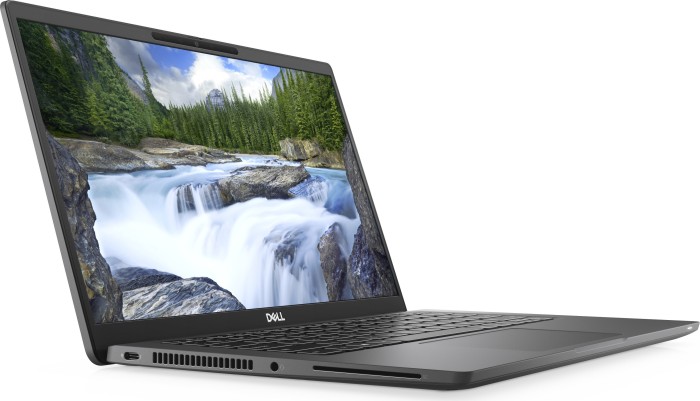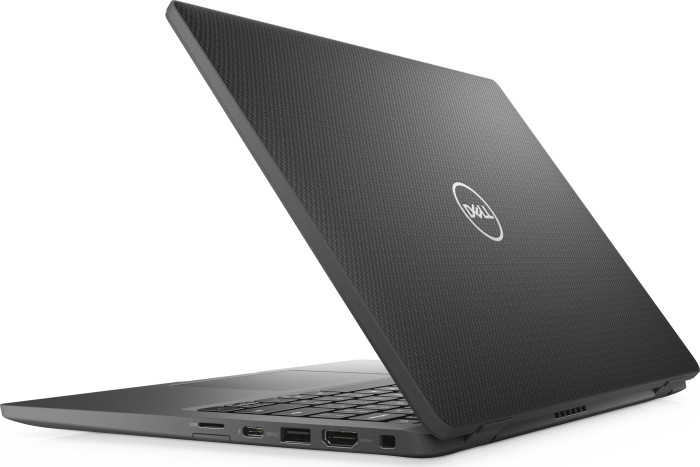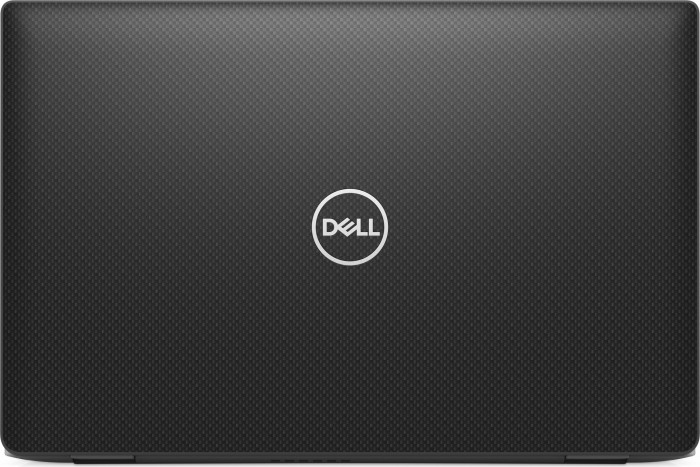




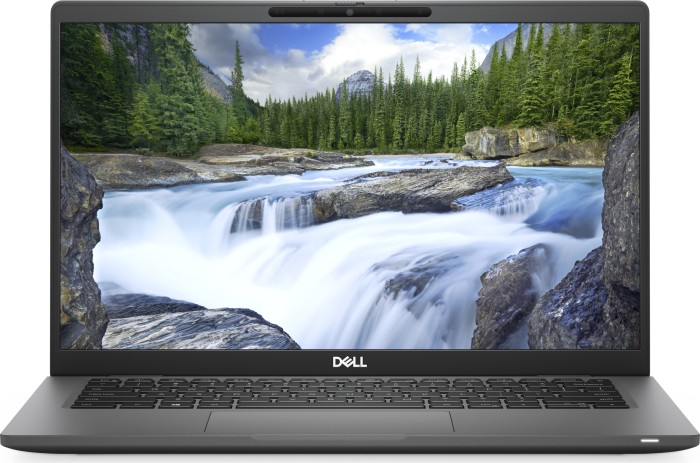
Dell Latitude 14 7420, i7-1185G7
Ausstattung / Datenblatt
Preisvergleich
Durchschnitt von 1 Bewertungen (aus 4 Tests)
Testberichte für das Dell Latitude 14 7420, i7-1185G7
Quelle: Laptop Media
 Archive.org version
Support, online verfügbar, Mittel, Datum: 24.07.2021
Quelle: PC Mag
EN→DE Archive.org versionOne rung below the pinnacle of Dell's corporate laptop hierarchy (the Latitude 9000 series), you'll find the excellent if somewhat staid Latitude 7420 (starts at $1,589; $2,228.08 as tested). This 14-inch business laptop gets subtle improvements with each new generation. The latest version doesn't fix what isn't broken, adding Intel's latest silicon and little else. This means that for the time being, it's a superior alternative to our longtime favorite enterprise ultraportable, the Lenovo ThinkPad X1 Carbon (whose new Gen 9 edition, which matches the Dell's move to 11th Generation Intel processors, we haven't tested yet). Choose the Latitude 7420 if you want a competent workhorse with excellent computing performance, even if it is a bit heavier and more expensive than the ThinkPad.
Einzeltest, online verfügbar, Lang, Datum: 23.06.2021
Bewertung: Gesamt: 80%
Quelle: Laptop Media
Archive.org versionSupport, online verfügbar, Kurz, Datum: 06.05.2021
Quelle: Laptop Media
EN→DE Archive.org versionTo sum up, everything we said in the lines above, the Latitude 14 7420 is a pretty formidable device, which packs a ton of features mainly aimed at privacy and security. From the TPM chip, through the privacy shutter, to the IR face recognition sensor and the ingenious proximity sensor. In fact, it works as it should – step away from your notebook, and in a matter of seconds, the display turns off, and the laptop locks itself. Then, sit back in front of it, the screen shines right away, and the IR sensor unlocks your notebook. Nobody will see the contents of your work when you’re away.
Einzeltest, online verfügbar, Sehr Lang, Datum: 05.05.2021
Kommentar
Intel Iris Xe G7 96EUs: Integrierte Grafikkarte (in Tiger-Lake G7 SoCs) der Gen. 12 Architektur mit 96 EUs.
Diese Klasse ist noch durchaus fähig neueste Spiele flüssig darzustellen, nur nicht mehr mit allen Details und in hohen Auflösungen. Besonders anspruchsvolle Spiele laufen nur in minimalen Detailstufen, wodurch die grafische Qualität oft deutlich leidet. Diese Klasse ist nur noch für Gelegenheitsspieler empfehlenswert. Der Stromverbrauch von modernen Grafikkarten in dieser Klasse ist dafür geringer und erlaubt auch bessere Akkulaufzeiten.
» Weitere Informationen gibt es in unserem Notebook-Grafikkartenvergleich und der Benchmarkliste.
i7-1185G7: Auf der Tiger-Lake-Architektur basierender ULV-SoC (System-on-a-Chip) für schlanke Notebooks und Ultrabooks. Integriert unter anderem vier CPU-Kerne und HyperThreading sowie eine starke G7 Grafikeinheit und wird in 10-Nanometer-Technik gefertigt (10nm+). Unterstützt vPro.» Weitere Infos gibt es in unserem Prozessorvergleich Vergleich mobiler Prozessoren und der Prozessoren Benchmarkliste .
 Als bevorzugte Quelle auf Google hinzufügen