




AMD Ryzen 7 9700X vs AMD Ryzen 9 7900
AMD Ryzen 7 9700X
► remove from comparison
The Ryzen 7 9700X is an upper mid-range desktop CPU of the Granite Ridge product family that features 8 Zen 5 cores (16 threads) running at 3.8 GHz to 5.5 GHz, PCIe 5 support and a basic iGPU. The Ryzen was launched in June 2024, with sales slated to start some time in July.
Architecture and Features
Just like Strix Point APUs, Granite Ridge processors make use of the new Zen 5 microarchitecture. However, there are no efficient cores here; all of 9700X's cores are full Zen 5 cores. Furthermore, Granite Ridge is a multi-die design with only the CPU cores produced using a fairly modern 4 nm TSMC process. Strix Point processors are a single-die design, from what we know.
According to AMD, Zen 5 delivers a 16% IPC improvement over Zen 4 thanks to branch prediction improvements and other refinements.
Elsewhere, the 9700X has 32 MB of L3 cache and 24 direct PCIe 5 lanes (3.93 GB/s throughput per lane) with up to 12 additional PCIe 4 lanes available depending on the motherboard. It supports DDR5 RAM as fast as 5600 MT/s, ECC memory included - this too depends on the motherboard.
The 9700X is unlocked for overclocking. Naturally, the AM5 socket CPU fully supports Windows 11, 64-bit Windows 10 as well as many Linux distros.
Performance
If early July leaks are any indication, the 9700X is set to have multi-thread performance matching the fastest laptop chips such as the 24-core Core i9-13950HX. We'll update this section once we get our hands on a system powered by the 9700X.
Graphics
The Radeon 610M comes equipped with just 128 unified shaders running at up to 2,200 MHz. Its gaming performance is slated to be extremely low and only just sufficient for pre-2020 games in resolutions such as 1024x768.
Power consumption
The CPU cores are built with a 4 nm TSMC process for good, as of mid 2024, power efficiency. (Apple is the leader in this regard with the second-generation 3 nm process.)
The Ryzen 7's long-term TDP is 65 W. It'll probably consume at least 100 W when under heavy short-term loads. If overclocked, the power consumption figures will increase significantly.
AMD Ryzen 9 7900
► remove from comparison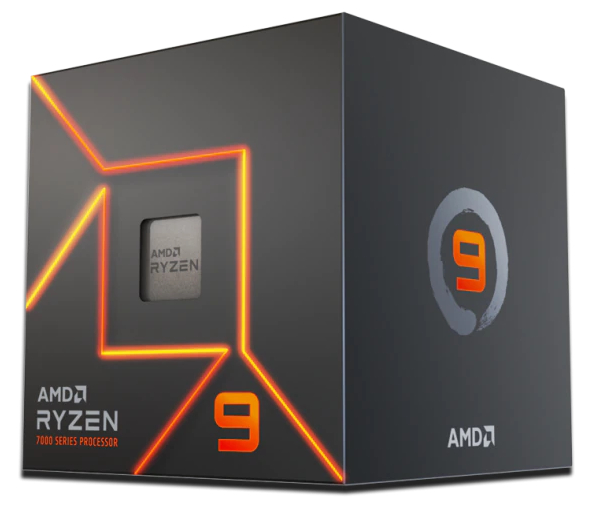
Der AMD Ryzen 9 7900 ist ein High-End-Desktop-Prozessor der Raphael Serie mit 12-Kernen und Hyperthreading (SMT), womit dieser in Summe bis zu 24 Threads gleichzeitig verarbeiten kann. Mit der Vorstellung Anfang 2023 ist der Ryzen 9 7900 der schnellste 12-Kern-Prozessor mit 65 Watt TDP.
Der Ryzen 9 7900 taktet mit 3,7 GHz Basistakt und erreicht im Turbo bis zu 5,4 GHz auf einem Kern. Dies ist auch der Unterschied zum höher getaktetem Ryzen 9 7900X.
Der interne Aufbau des Prozessors hat sich auf den ersten Blick nicht grundlegend verändert. Der AMD Ryzen 9 7900 basiert weiterhin auf dem Chiplet-Design bestehend aus zwei CCD-Clustern, welche jeweils einen CCX mit 8-Kernen beinhalten. Mit 5 nm wurde allerdings der Fertigungsprozess verkleinert, wodurch die höheren Taktraten zu gewährleisten sind. Weiterhin gibt es den IO-Die, der unter anderem den Speichercontroller sowie die iGPU beinhaltet. Dieser wird nunmehr in 6 nm Strukturbreite gefertigt.
In Spielen kann der AMD Ryzen 9 7900 dank der deutlich verbesserten IPC überzeugen.
| Model | AMD Ryzen 7 9700X | AMD Ryzen 9 7900 | ||||||||||||||||||||||||||||||||||||||||||||||||||||||||
| Codename | Granite Ridge | Raphael (Zen4) | ||||||||||||||||||||||||||||||||||||||||||||||||||||||||
| Series | AMD Granite Ridge (Zen 5, AM5) | AMD Raphael (Zen 4, Ryzen 7000) | ||||||||||||||||||||||||||||||||||||||||||||||||||||||||
| Serie: Raphael (Zen 4, Ryzen 7000) Raphael (Zen4) |
|
| ||||||||||||||||||||||||||||||||||||||||||||||||||||||||
| Clock | 3800 - 5500 MHz | 3700 - 5400 MHz | ||||||||||||||||||||||||||||||||||||||||||||||||||||||||
| L1 Cache | 512 KB | 768 KB | ||||||||||||||||||||||||||||||||||||||||||||||||||||||||
| L2 Cache | 8 MB | 12 MB | ||||||||||||||||||||||||||||||||||||||||||||||||||||||||
| L3 Cache | 32 MB | 64 MB | ||||||||||||||||||||||||||||||||||||||||||||||||||||||||
| Cores / Threads | 8 / 16 8 x 5.5 GHz AMD Zen 5 | 12 / 24 | ||||||||||||||||||||||||||||||||||||||||||||||||||||||||
| TDP | 65 Watt | 65 Watt | ||||||||||||||||||||||||||||||||||||||||||||||||||||||||
| Technology | 4 nm & 6 nm | 5 nm | ||||||||||||||||||||||||||||||||||||||||||||||||||||||||
| max. Temp. | 95 °C | 95 °C | ||||||||||||||||||||||||||||||||||||||||||||||||||||||||
| Socket | AM5 | AM5 (LGA 1718) | ||||||||||||||||||||||||||||||||||||||||||||||||||||||||
| Features | DDR5-5600 RAM, PCIe 5 + PCIe 4, SMT, AES, AVX, AVX2, AVX512, FMA3, MMX (+), SHA, SSE, SSE2, SSE3, SSSE3, SSE4.1, SSE4.2, SSE4A | MMX(+), SSE, SSE2, SSE3, SSSE3, SSE4.1, SSE4.2, SSE4A, x86-64, AMD-V, AES, AVX, AVX2, AVX512F, FMA3, SHA, Precision Boost 2 | ||||||||||||||||||||||||||||||||||||||||||||||||||||||||
| iGPU | AMD Radeon 610M ( - 2200 MHz) | AMD Radeon Graphics (Ryzen 7000) ( - 2200 MHz) | ||||||||||||||||||||||||||||||||||||||||||||||||||||||||
| Architecture | x86 | x86 | ||||||||||||||||||||||||||||||||||||||||||||||||||||||||
| Announced | ||||||||||||||||||||||||||||||||||||||||||||||||||||||||||
| Manufacturer | www.amd.com | www.amd.com | ||||||||||||||||||||||||||||||||||||||||||||||||||||||||
| Transistors | 9.9 Million | |||||||||||||||||||||||||||||||||||||||||||||||||||||||||
| Voltage | 0.650 - 1.475V V | |||||||||||||||||||||||||||||||||||||||||||||||||||||||||
| Die Size | 262 mm2 |

Benchmarks
Average Benchmarks AMD Ryzen 7 9700X → 100% n=42
Average Benchmarks AMD Ryzen 9 7900 → 105% n=42
 - Durchschnittliche Benchmarkergebnisse für diese Grafikkarte
* Smaller numbers mean a higher performance
1 This benchmark is not used for the average calculation


