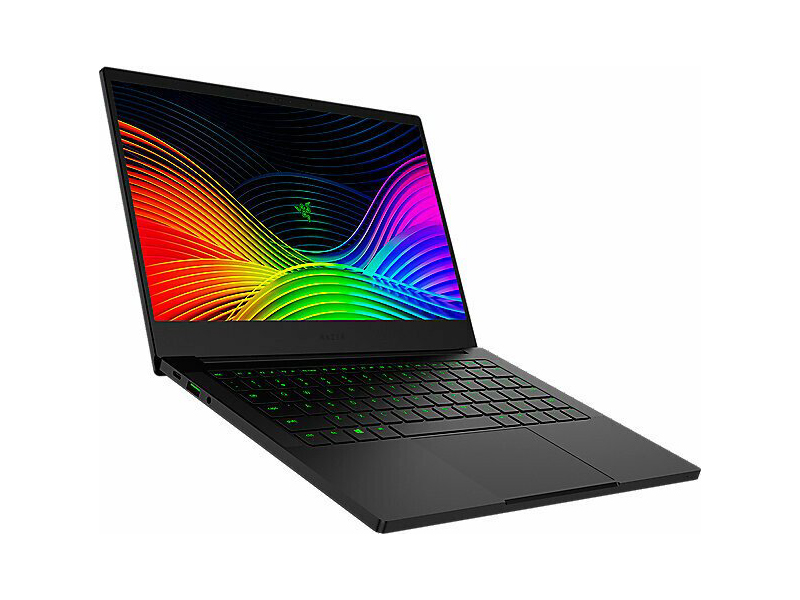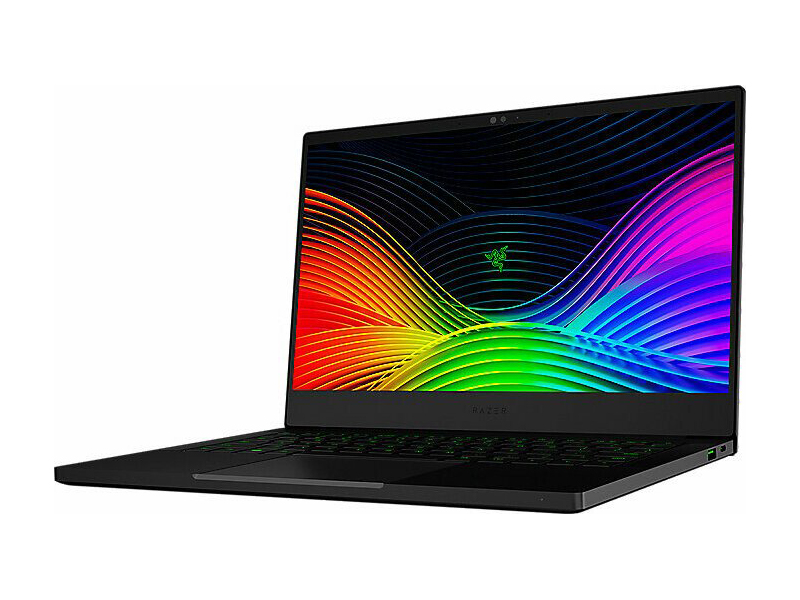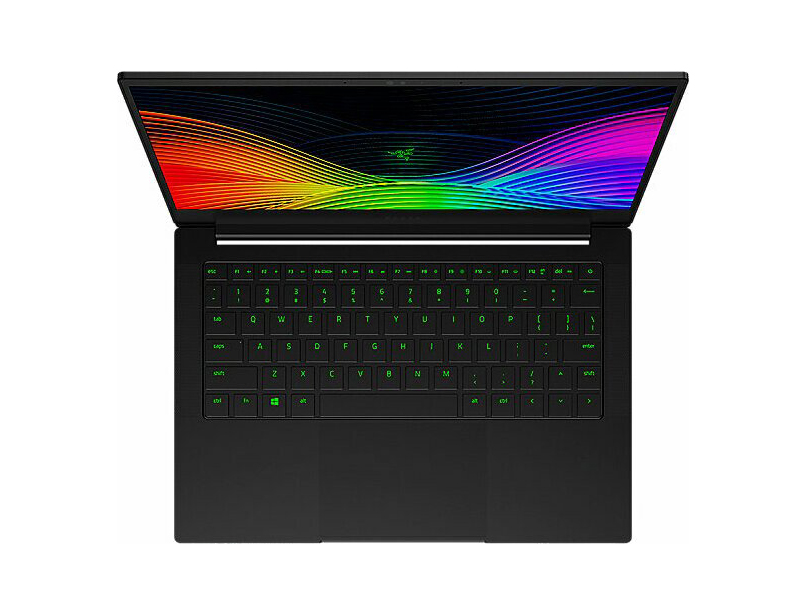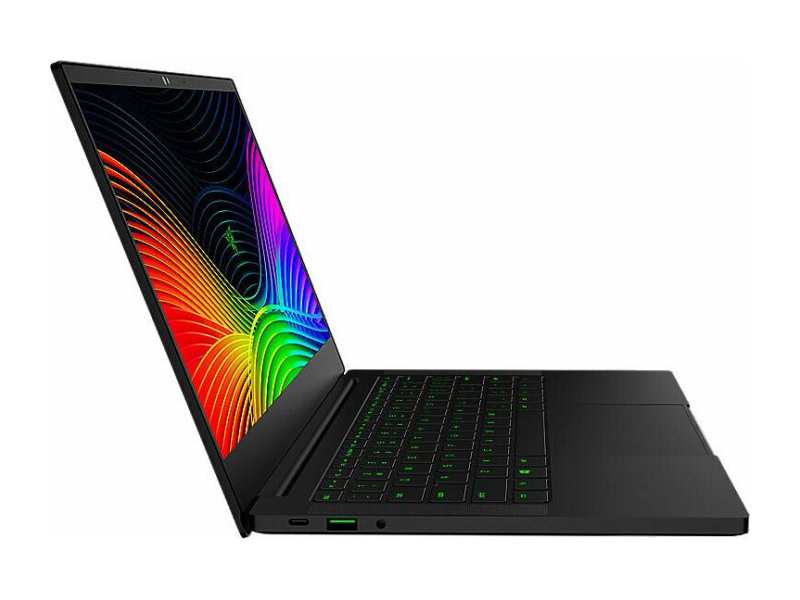




Razer Blade Stealth i7-1065G7, GTX 1650 Max-Q
Ausstattung / Datenblatt
Preisvergleich
Durchschnitt von 3 Bewertungen (aus 3 Tests)
Testberichte für das Razer Blade Stealth i7-1065G7, GTX 1650 Max-Q
Quelle: The Verge
 EN→DE Archive.org version
That said, there are reasons why someone might want Razer’s laptop instead. One is the built-in webcam. Another is the refined aesthetic, which is a hallmark of the Blade Stealth, including the chic colorful keyboard. And another is the form factor. At the end of the day, the Blade Stealth 13 is still the most portable gaming experience you can find. The G14 is a bit bigger and noticeably heavier. If you’d prefer to sacrifice some gaming performance in exchange for a laptop that’s exceptional in these areas, the Blade Stealth 13 is for you.
Einzeltest, online verfügbar, Mittel, Datum: 28.07.2020
Bewertung: Gesamt: 80%
Quelle: Ultrabook Review
EN→DE Archive.org versionI really like this little laptop. If you are looking for something ultra-portable that plays games pretty well and you have the money to spend (and you don’t use the right shift key!), perhaps this Razer Blade Sealth 13 is the right model for you. On the other hand, this is expensive and has its quirks, that's why the Blade 15 remains the better value proposition if you're willing to opt for a slightly larger and heavier computer instead.
Einzeltest, online verfügbar, Sehr Lang, Datum: 31.12.2019
Bewertung: Gesamt: 80%
Quelle: Hardware Zone
EN→DE Archive.org versionThe Razer Blade Stealth 13 is perhaps the only ultrabook today to offer what I'd consider decent gaming performance. If you travel a lot, but can't bear to be away from your games, the Blade Stealth 13 may just be what you need. However, Razer isn't quite the first to attempt to make an ultraportable gaming machine. For one, there was the old Alienware m11x, a puny 11.6-inch laptop with a GeForce GT 540M. It turned out pretty good gaming numbers as well, for its time that is, but it was also a rather thick and heavy system.
Einzeltest, online verfügbar, Sehr Lang, Datum: 06.12.2019
Bewertung: Gesamt: 80% Preis: 70% Leistung: 65% Mobilität: 80% Gehäuse: 90%
Kommentar
NVIDIA GeForce GTX 1650 Max-Q: Mid-Range Notebook-Grafikkarte basierend auf der Desktop GTX 1650 mit Turing Architektur. Bietet keine Raytracing und Tensor-Kerne im Gegensatz zu den stärkeren RTX 2000 Modellen. Im Vergleich zur normalen 1650, ist die Max-Q Variante niedriger getaktet bei deutlich niedrigerem Stromverbrauch (35 versus 50 Watt).
Diese Klasse ist noch durchaus fähig neueste Spiele flüssig darzustellen, nur nicht mehr mit allen Details und in hohen Auflösungen. Besonders anspruchsvolle Spiele laufen nur in minimalen Detailstufen, wodurch die grafische Qualität oft deutlich leidet. Diese Klasse ist nur noch für Gelegenheitsspieler empfehlenswert. Der Stromverbrauch von modernen Grafikkarten in dieser Klasse ist dafür geringer und erlaubt auch bessere Akkulaufzeiten.
» Weitere Informationen gibt es in unserem Notebook-Grafikkartenvergleich und der Benchmarkliste.
i7-1065G7: Auf der Ice-Lake-Architektur basierender ULV-SoC (System-on-a-Chip) für schlanke Notebooks und Ultrabooks. Integriert unter anderem vier CPU-Kerne der Sunnycove Microarchitektur mit 1,3 (Basis) - 3,9 GHz und HyperThreading sowie eine starke Iris Plus G7 Grafikeinheit und wird in 10-Nanometer-Technik gefertigt. Durch die 18 % bessere IPC Performance von Sunnycove versus Skylake sollte die CPU Performance mit dem alten Whisky-Lake Core i7-8565U (max 4,1 GHz) mithalten können.» Weitere Infos gibt es in unserem Prozessorvergleich Vergleich mobiler Prozessoren und der Prozessoren Benchmarkliste .
 Als bevorzugte Quelle auf Google hinzufügen